



Signs of High Quality Coffee Beans: A Buyer's Guide
Table of Contents
- What Makes Coffee Beans High Quality
- Coffee Roast Date Importance and Freshness Windows
- Arabica vs. Robusta: Identifying Bean Variety
- Visual Inspection: What Quality Beans Look Like
- Processing Methods and Their Impact on Quality
- Understanding the Coffee Bean Grading System
- Signs of Stale Coffee Beans and Oxidation
- How to Store Coffee Beans for Freshness
- Reading Specialty Coffee Labels: Decoding the Jargon
- Conclusion
Last Updated: August 11, 2026
What Makes Coffee Beans High Quality
High quality coffee beans are distinguished by their origin, processing method, roast freshness, and cultivation care. Quality starts in the field: altitude, soil composition, and harvest timing all affect flavor complexity. Beans grown at higher elevations develop more complex flavor compounds and express distinctive characteristics better than commodity lots.
Processing method shapes the final cup. The way beans are washed, fermented, or dried affects acidity, body, and flavor profile fundamentally. The most overlooked factor is freshness. A bag of high quality coffee loses its peak flavor within weeks of roasting. A bean roasted three months ago will taste flat compared to one roasted last week, regardless of origin or processing.
Coffee Roast Date Importance and Freshness Windows
The roast date is the single most reliable indicator of whether coffee will deliver its intended flavor. Freshly roasted beans go through degassing for 24-48 hours as carbon dioxide escapes. After this window, beans enter their prime flavor zone.
The ideal brewing window is between 2 and 30 days after roasting. During this period, beans retain intended acidity, body, and flavor notes with vibrant aromatics. After 30 days, beans begin losing brightness. By 60 days, most have faded noticeably. By 90 days, they taste stale and flat, lacking the vibrancy that makes specialty coffee worth buying.
Venro Coffee Co. ships beans within days of roasting. The roast date on every bag tells you exactly how fresh your coffee is when it arrives. When shopping, always check the roast date first. If a bag doesn't display one, that's a red flag.

Arabica vs. Robusta: Identifying Bean Variety
Two main species dominate commercial coffee: Arabica and Robusta. Arabica accounts for roughly 60-70% of global production, grows at higher altitudes, and develops nuanced flavor profiles with greater acidity and complexity. Robusta is hardier, grows at lower altitudes, contains roughly twice the caffeine, and has heavier body with earthy, bitter notes. Robusta is typically used in instant coffee and budget-friendly blends.
For high quality coffee, you want Arabica. Most single-origin specialty coffees are 100% Arabica. Check the label for variety specification or "100% Arabica" notation. If the label doesn't specify or says "blend" without details, Robusta is likely in the mix.
Visually, Arabica beans are generally larger and more elongated with an S-shaped center crack, while Robusta beans are rounder and smaller. The safest approach is trusting the label and roaster reputation. Specialty roasters prioritize Arabica because it delivers the best flavor.
Visual Inspection: What Quality Beans Look Like
High quality coffee beans have specific visual characteristics that distinguish them from lower-grade beans. Start with color: beans should have uniform, medium-to-dark brown color depending on roast level. Mottled appearance with patches of very light and dark suggests uneven roasting or age-related degradation.
Surface appearance matters too. High quality beans often show slight sheen of natural oils, especially in medium and dark roasts, indicating proper roasting. Excessive oiliness or stickiness can indicate the beans are past their prime.
Bean uniformity is a hallmark of quality. Specialty-grade beans should be roughly the same size and shape. Beans varying wildly in size suggest lower-quality lots or poor processing. Inspect for visible defects like cracks, chips, or discoloration. A few defects are normal, but many damaged beans indicate compromised quality.
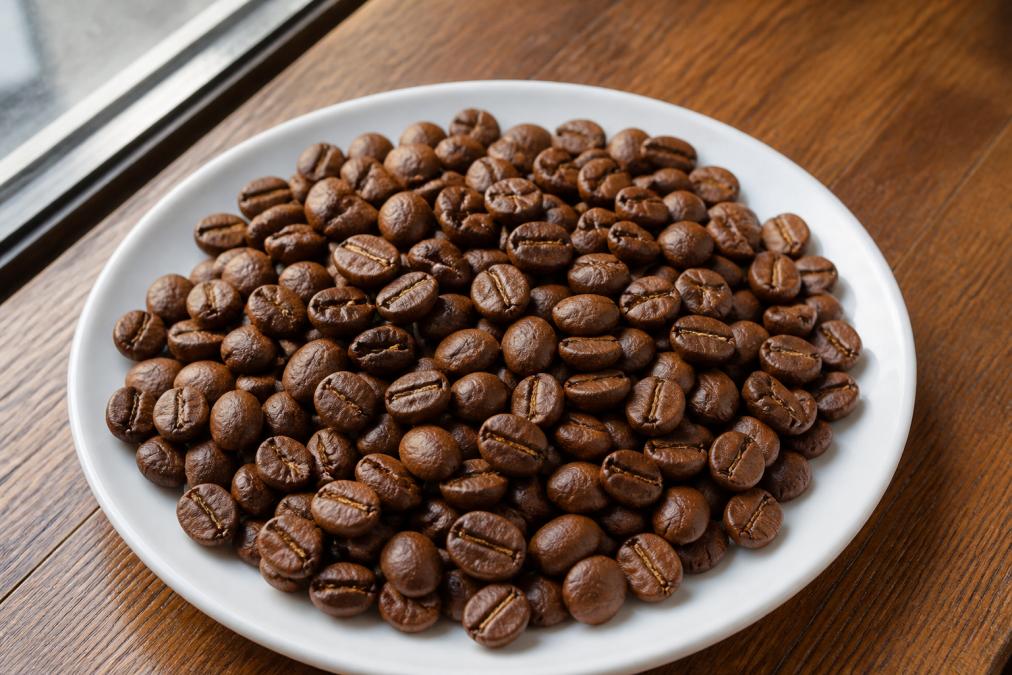
High quality beans feel substantial and dense when held. Lighter, porous beans suggest lower altitude growth or less-ideal conditions, resulting in less developed flavor compounds.
Processing Methods and Their Impact on Quality
The way coffee cherries are processed after harvest dramatically affects final flavor profile.
Washed Process (wet process) is most common for specialty coffee. The cherry is removed, the bean fermented in water to break down mucilage, then washed and dried. This produces brighter acidity, cleaner flavors, and more clarity, highlighting origin characteristics.
Natural Process (dry process) involves drying the entire cherry with the bean inside, then removing dried fruit. This produces heavier body, more sweetness, and fruity notes. Natural process coffees are complex but can be inconsistent if fermentation isn't carefully controlled.
Honey Process (pulped natural) leaves some sticky mucilage on the bean during drying, balancing brightness of washed with body of natural. Honey process coffees have good complexity with moderate acidity.
High quality coffee beans often come from roasters sourcing from specific farms known for excellent processing. The processing method is usually listed on the label. Consistency of processing is a quality marker. Beans from facilities with strict quality control taste more consistent batch to batch.

Understanding the Coffee Bean Grading System
Specialty coffee has a formal grading system that helps buyers evaluate quality objectively. The Specialty Coffee Association (SCA) uses a cupping score scale from 0 to 100. Scores above 80 are specialty grade. Scores between 70 and 80 are good commercial grade. Below 70 is commodity grade.
- 90-100: Outstanding, exceptional coffee with complex flavor and minimal defects
- 85-89: Very good specialty coffee with distinctive characteristics and few defects
- 80-84: Good specialty coffee with positive attributes and minimal defects
- 70-79: Commercial grade coffee with acceptable quality
- Below 70: Commodity grade, not recommended for specialty brewing
The cupping score reflects flavor clarity, acidity, body, aftertaste, balance, uniformity, and defect count. When shopping, look for bags mentioning cupping score or SCA rating. This transparency indicates the roaster stands behind their product quality.

Beans are also graded by size and defect count. High quality beans are typically graded as "specialty" or "premium" based on defect count. Single-origin beans from Venro Coffee Co. are sourced from farms producing specialty-grade coffee.
Signs of Stale Coffee Beans and Oxidation
Stale coffee is preventable and tastes flat, bitter, and lacks complexity. Oxidation is the culprit. When beans are exposed to oxygen over time, oils break down, flavor compounds degrade, and coffee loses brightness.
The most obvious sign is smell. Fresh coffee has rich, complex aroma. Stale coffee smells dull, musty, or cardboard-like. Taste is the definitive test: stale coffee tastes flat and muted with disappeared acidity and thin body.
Visible signs include excessive surface oil, dull appearance, or shriveled beans. These are late-stage signs. Beans roasted more than 60 days ago are almost certainly stale. Beans roasted more than 90 days ago are definitely stale.
Storage conditions accelerate staleness. Beans stored in clear containers exposed to light, in warm kitchens, or in humid environments go stale much faster. Even the best beans stale quickly in poor conditions. Coffee doesn't expire in the traditional sense, it stales. An expiration date of 12 months from roast is standard, but coffee is no longer at peak quality long before that date.
How to Store Coffee Beans for Freshness
Proper storage slows oxidation and preserves flavor. The ideal storage container is airtight and opaque. Oxygen is the enemy; airtight seals prevent oxygen from reaching beans. Light causes degradation; opaque containers block light. Most specialty coffee bags come with one-way valves that let carbon dioxide escape while preventing oxygen from entering.
Temperature matters significantly. Store beans in a cool location, ideally between 50-70°F. Room temperature is acceptable, but avoid warm kitchens or heat sources. Never store beans in the refrigerator or freezer; temperature fluctuations and moisture exposure cause harm.
High humidity can cause beans to absorb moisture, affecting flavor and promoting mold. Store beans in a dry environment. Keep them away from direct sunlight and strong-smelling foods, as coffee beans absorb odors.
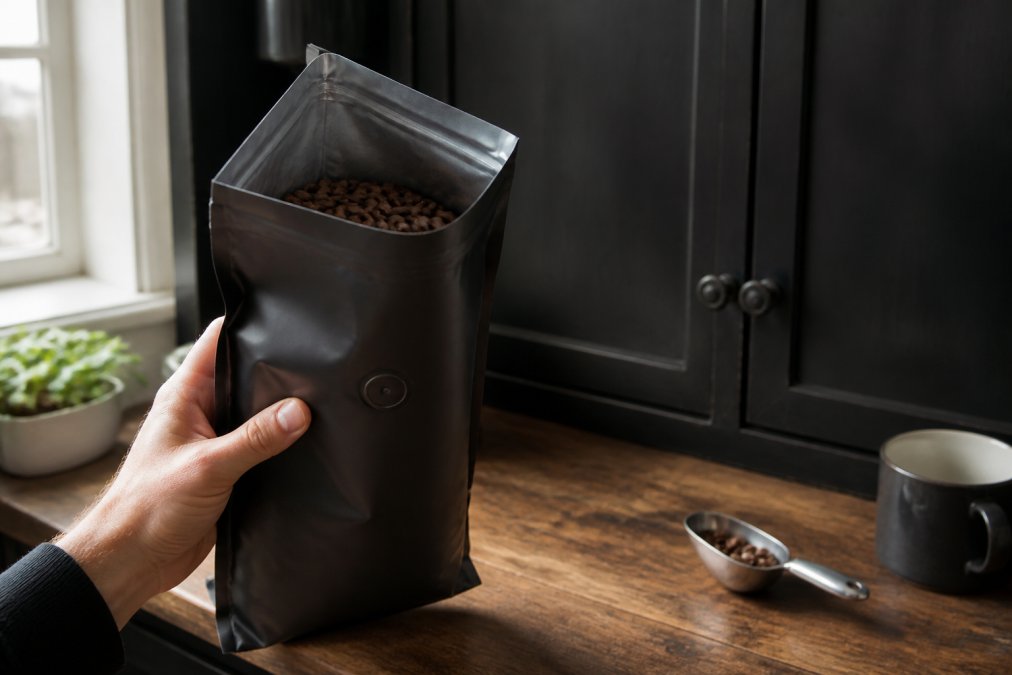
Buy in quantities you'll use within 3-4 weeks. This ensures you always have fresh beans. Once you open a bag, reseal it immediately after each use, pushing out as much air as possible.
Whole beans stay fresh longer than ground coffee. Ground coffee has vastly more surface area exposed to oxygen and stales much faster. Grind beans just before brewing for maximum flavor.
Reading Specialty Coffee Labels: Decoding the Jargon
Coffee labels contain valuable information if you know how to read them.
Roast Date is the most important element, telling you exactly how fresh beans are. Look for dates within the last two weeks.
Origin tells you where beans were grown. Single-origin beans come from a specific country, region, or farm like "Ethiopia Yirgacheffe" or "Colombian Geisha," allowing you to taste specific terroir characteristics.
Altitude is often listed for single-origin beans. Higher altitude beans develop more complex flavors because they grow more slowly in cooler conditions. Beans above 4,000 feet are considered high-altitude and typically produce nuanced, acidic coffees.
Processing Method (washed, natural, honey) describes how the cherry was removed and bean dried, significantly affecting flavor profile.
Roast Level describes how dark beans are roasted. Light roast preserves origin characteristics and acidity. Medium roast balances origin and roast flavors. Dark roast emphasizes body and reduces acidity.
Tasting Notes describe expected flavors like "chocolate, nutty, smooth," coming from cupping by trained tasters.
Certifications like "Fair Trade," "Organic," or "Rainforest Alliance" indicate beans meet specific sourcing standards.
Cupping Score (if listed) provides objective quality rating. Scores above 80 indicate specialty grade.
Micro-lot or Single-Lot designations indicate beans come from small, specific harvests with distinctive character and rarity.
When evaluating high quality coffee beans, read the full label. The more information provided, the more transparent the roaster is being.
Choosing high quality coffee beans requires knowing what to look for. The roast date, origin, processing method, and visible bean characteristics tell you everything about quality. When you understand these factors, you can confidently identify beans that deliver exceptional flavor.
Venro Coffee Co. makes this easier by sourcing specialty-grade beans from trusted origins, roasting them fresh, and shipping within days. Every bag includes roast date, origin details, tasting notes, and processing method. The result is coffee that arrives fresh and tastes as complex and vibrant as intended. Shop Coffee and experience the difference that attention to quality makes in every cup.
Featured Snippet Optimization
What is specialty-grade coffee?
Specialty-grade coffee is beans that score 80 or higher on the Specialty Coffee Association cupping scale. These beans have distinctive flavor characteristics, minimal defects, and are sourced from specific origins known for quality. They represent the top tier of coffee quality.
How long do roasted coffee beans stay fresh?
Roasted coffee beans are at peak flavor between 2 and 30 days after roasting. After 30 days, they begin losing brightness. By 60 days, most have noticeably faded. After 90 days, they taste stale and flat. Always check the roast date on the bag.
What's the difference between Arabica and Robusta coffee?
Arabica beans grow at higher altitudes and develop complex, nuanced flavors with balanced acidity. Robusta beans are hardier, grow at lower altitudes, and have heavier body with earthy, bitter notes. Specialty coffee almost always uses Arabica because of its superior flavor complexity.
What does "single-origin" mean on a coffee label?
Single-origin coffee comes from a specific country, region, or farm rather than being a blend. Single-origin beans allow you to taste unique characteristics of that terroir. Labels specify exact origin like "Ethiopia Yirgacheffe" or "Colombian Geisha."
External Link Placeholders
According to Specialty Coffee Association quality standards, beans scoring 80 or higher on the cupping scale meet specialty-grade criteria, representing less than 10% of global coffee production.
Research from coffee science studies on oxidation demonstrates that roasted coffee begins losing volatile flavor compounds within 24 hours of roasting, with significant degradation occurring after 30 days of exposure to oxygen.
The National Coffee Association brewing guide recommends purchasing beans roasted within 2-4 weeks and consuming them within 3-4 weeks of purchase for optimal flavor extraction and aroma preservation.
Frequently Asked Questions
How do I tell if coffee beans are high quality?
High quality coffee beans display several key indicators: a roast date within 2-4 weeks of purchase, uniform bean size and color, minimal surface defects, a strong aroma, and a label indicating single-origin or specialty grade status. Arabica beans, which comprise about 60% of global coffee production, typically indicate higher quality than Robusta. Check for a cupping score of 80+ on specialty-grade beans, which reflects rigorous tasting evaluation. The bean should feel dense and heavy for its size, suggesting proper moisture content and development during roasting.
Does the roast date matter for coffee bean quality?
Yes, roast date is critical to quality. Coffee begins to lose freshness immediately after roasting due to degassing and oxidation. The optimal window for brewing is 2-4 weeks after the roast date, when CO2 has stabilized but the beans retain their full flavor profile and aromatic compounds. Beans roasted more than 8 weeks ago will taste flat and stale. Always check the roast date on packaging rather than relying on expiration dates, which can be misleading. Freshly roasted specialty beans from sources like Venro Coffee Co. ensure you're getting coffee at peak flavor potential.
What are signs that coffee beans are stale?
Stale coffee beans show several telltale signs: a dull, faded appearance rather than a glossy finish, absence of aroma when you open the bag, a musty or cardboard-like smell, and beans that feel brittle or powdery when crushed. Oxidation causes the oils on the bean surface to break down, resulting in a matte appearance. If the roast date is more than 8-10 weeks old, the beans have likely begun significant degradation. Improper storage in warm or humid conditions accelerates staleness. Tasting stale coffee produces a flat, bitter cup with minimal complexity or sweetness.
How should I store coffee beans to keep them fresh?
Store beans in an airtight container away from heat, light, and moisture. A sealed bag with a one-way valve (which allows CO2 to escape while blocking oxygen) is ideal for short-term storage of 2-4 weeks. After opening, transfer beans to an opaque, airtight container kept in a cool pantry or cabinet, not the refrigerator or freezer, which can introduce condensation. Keep beans away from direct sunlight and heat sources. Whole beans last longer than ground coffee because grinding increases surface area for oxidation. Proper storage preserves the bean's flavor profile, acidity, and body for the full freshness window.
This article was written using GrandRanker