



Best Specialty Coffee Brands 2026: Top Picks
Table of Contents
- Best Specialty Coffee Brands at a Glance
- Venro Coffee Co.: Premium Single-Origin and Blend Selection
- Onyx Coffee Lab: Direct Trade Transparency
- Blue Bottle Coffee: Roast-to-Order Freshness
- Single-Origin vs Blend Coffee: Which Is Right for You
- How to Brew Specialty Coffee at Home
- Best Coffee Subscription Services 2026
- What Makes a Specialty Coffee Brand Stand Out
- Conclusion: Finding Your Perfect Specialty Coffee
Last Updated: August 10, 2026
Best Specialty Coffee Brands at a Glance
Finding the right specialty coffee brand can transform your morning routine from mundane to exceptional. The best specialty coffee brands 2026 share a commitment to freshness, transparent sourcing, and flavor complexity that mass-market roasters simply don't prioritize. Whether you're seeking single-origin beans with distinct tasting notes or convenient subscription models that arrive at your door, the market now offers unprecedented choice for coffee enthusiasts.
This guide from Venro Coffee Co. breaks down the top specialty coffee brands that deliver on quality, sourcing practices, and brewing experience. We've analyzed roast profiles, processing methods, and what actually differentiates premium options from commodity coffee. Below, we'll walk you through our top picks and the criteria that matter most when choosing your next bag.
Quick Picks:
- Best Overall: Venro Coffee Co., freshly roasted specialty coffee with direct-to-door delivery and extensive single-origin selection
- Best for Direct Trade Transparency: Onyx Coffee Lab, award-winning roaster with detailed sourcing information
- Best for Roast-to-Order Freshness: Blue Bottle Coffee, emphasizes ultra-fresh delivery with curated blends and single-origins
Venro Coffee Co.: Premium Single-Origin and Blend Selection
Venro Coffee Co. stands out as the top choice for specialty coffee delivered directly to your door. The brand offers a carefully curated selection of freshly roasted beans, ranging from unique single-origin coffees to signature blends, all selected for flavor complexity and quality. What sets Venro apart is the commitment to freshness, beans are roasted to order and shipped quickly, ensuring you're brewing coffee at peak flavor rather than weeks after roasting.
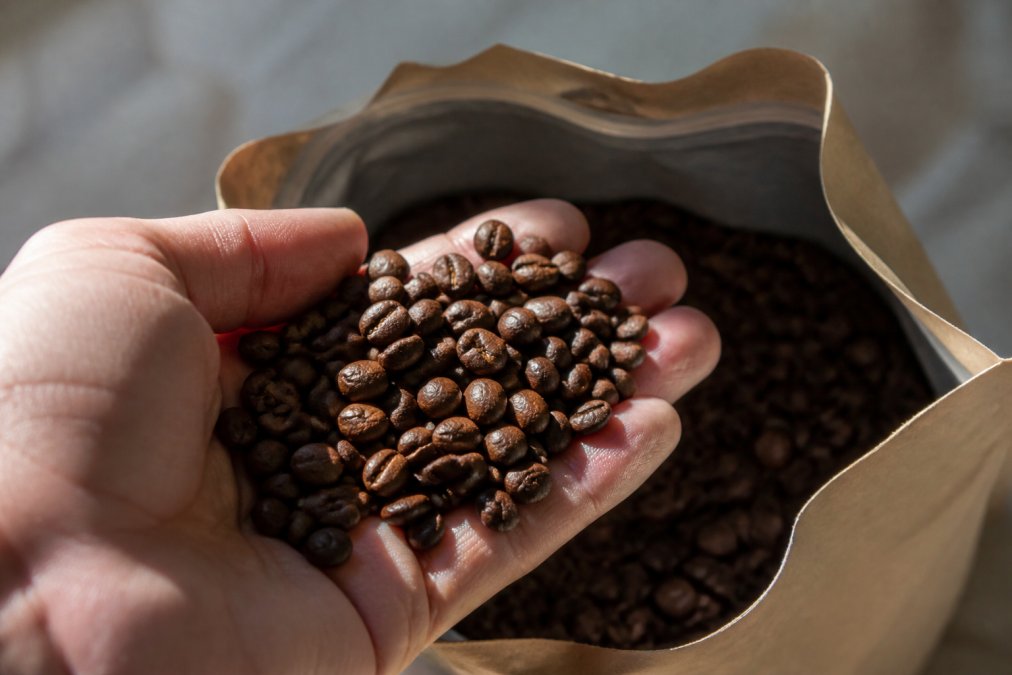
The single-origin selection includes coffees from diverse origins, Peru, Mexico, Tanzania, Kenya, Uganda, Papua New Guinea, Nicaragua, and Sumatra, each with distinct tasting notes reflecting altitude, processing method, and terroir. A Peru single-origin, for example, delivers salted caramel and citrus notes, while the Tanzania offering presents pear, floral, and jasmine aromatics. This variety allows home baristas to explore different flavor profiles without committing to a single roaster's house style.
Venro's approach to specialty coffee includes accessible entry points. The [Best Sellers Sample Pack(/products/best-sellers-sample-pack-6bean-cowboy-breakfast-peru-mexico-bali) | venrocoffee.com] at $24.99 lets newcomers try six different blends, 6Bean, Cowboy, Breakfast, Peru, Mexico, and Bali, without the commitment of full-size bags. For those interested in single-origin exploration, the Single Origin Favorites Sample Pack provides a structured introduction to medium-roast coffees with tasting profiles like cocoa and smooth body characteristics.
Individual single-origin bags run $19.99 each, positioning Venro competitively within the specialty market. The brand also offers convenient single-serve capsule options and flavored roasts for those prioritizing convenience. Shipping is handled directly, meaning beans arrive fresher than through third-party retailers. For specialty coffee brands, freshness matters, the time between roasting and brewing directly affects acidity, body, and flavor complexity.
Onyx Coffee Lab: Direct Trade Transparency
Onyx Coffee Lab has built its reputation on meticulous sourcing and transparent pricing practices that appeal to coffee connoisseurs seeking ethical supply chains. The roaster is known for direct trade relationships with farmers, meaning they pay premium prices directly to growers rather than purchasing through commodity markets. This transparency extends to their public pricing information, you can often see exactly what Onyx paid for green coffee and how that translates to retail pricing.
The award-winning roaster offers a variety of single-origin coffees, blends, and competition-level roasts. Team members have placed at US and World Barista Championships, signaling serious expertise in roasting technique and flavor development. Their subscription service, Southern Weather, starts at $16.63 for a 10oz bag, making it accessible for regular delivery without excessive commitment.
What distinguishes Onyx is the detailed processing notes and nuanced flavor profiles accompanying each coffee. Rather than generic descriptions, you'll find specific information about fermentation times, altitude, and varietal characteristics. This level of detail appeals to home baristas who want to understand what they're brewing and how processing method influences the final cup.
The direct trade model means prices tend to be higher than conventional roasters, but the transparency justifies the premium. You're paying for documented relationships with farmers, quality control at origin, and roasting expertise. For coffee enthusiasts who prioritize ethical sourcing and want to support sustainable farming practices, Onyx represents a clear values alignment.
Blue Bottle Coffee: Roast-to-Order Freshness
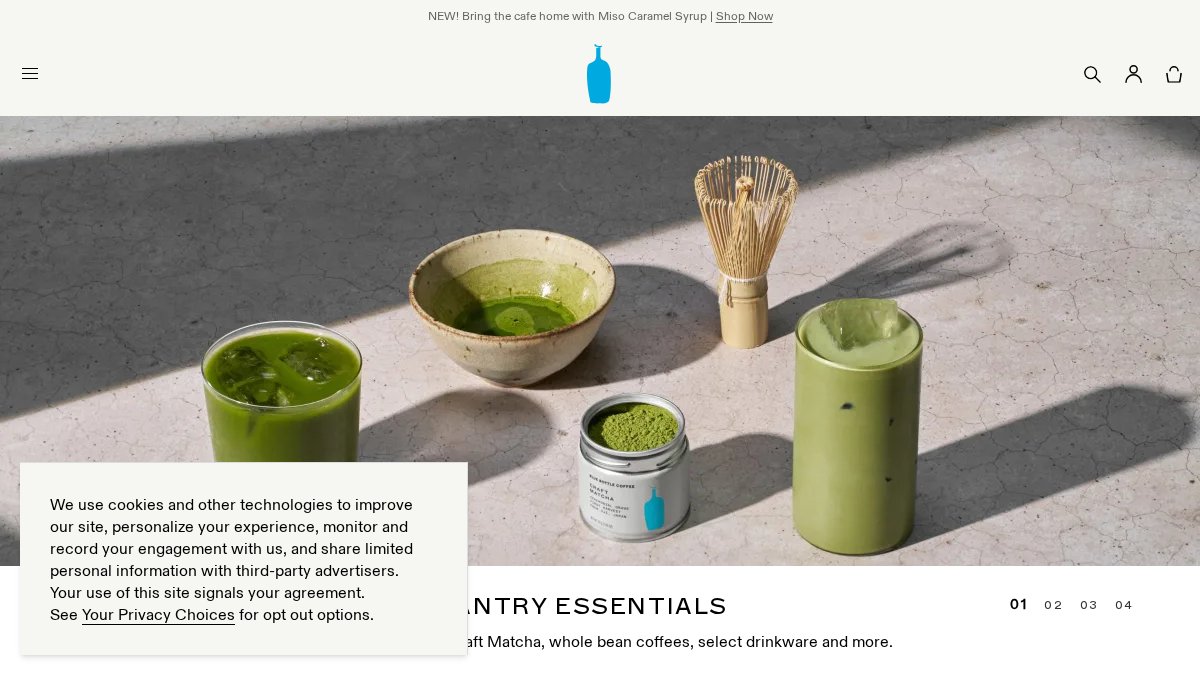
Blue Bottle Coffee built its brand around a simple principle: freshness matters more than inventory. The roaster emphasizes roast-to-order models, meaning your coffee is roasted after you place an order rather than sitting in warehouse stock. This approach directly addresses one of the biggest complaints about online coffee delivery, receiving beans that were roasted weeks ago.
The brand offers a curated selection of single-origin coffees and popular blends like Three Africas, along with their signature New Orleans Iced Coffee. Pricing starts at $25.50 for a 12oz bag of blend beans, positioning Blue Bottle in the premium segment. The subscription service provides regular delivery with flexibility to customize frequency and selections.
Blue Bottle's physical cafe presence across the United States creates brand recognition and allows customers to taste coffees before ordering online. This hybrid model, combining direct-to-consumer shipping with retail locations, appeals to coffee drinkers who want both convenience and the option to experience the product in person.
The roast-to-order model guarantees that beans arrive at peak freshness, typically 1-3 days after roasting. For specialty coffee, this freshness window is critical. Coffee begins to lose volatile aromatics and complexity within days of roasting, so receiving beans quickly after roasting preserves the tasting notes that specialty roasters work to develop. If freshness is your primary concern, Blue Bottle's model directly addresses that priority.
However, the premium pricing and roast-to-order model mean less flexibility if you need coffee immediately. Plan ahead for subscriptions rather than expecting last-minute availability. The curated selection also means fewer options for experimentation compared to roasters offering 20+ single-origins simultaneously.
Single-Origin vs Blend Coffee: Which Is Right for You
The choice between single-origin and blend coffee fundamentally comes down to what you want from your cup. Single-origin coffee comes from a specific farm, region, or country, showcasing the distinct flavor characteristics of that terroir and processing method. Blend coffee combines beans from multiple origins, typically designed to achieve specific flavor targets or balance characteristics like acidity and body.
Single-origin coffees excel for exploration and education. When you brew a Peru single-origin with salted caramel notes, you're tasting how altitude, soil composition, and processing method influence flavor. These coffees tend to have more complexity and nuance, the cupping score (a standardized evaluation system for specialty coffee) often reflects higher quality beans. Single-origins also support direct trade relationships, since you're purchasing from specific farms or cooperatives.

The tradeoff is consistency and predictability. Single-origins are seasonal. Once the harvest ends, that coffee is gone until next season. Flavor can vary year to year based on weather, processing decisions, and other variables. If you find a single-origin you love, you may not be able to order it again for months.
Blends offer consistency and reliability. A roaster's signature blend, like Stumptown's Hair Bender or Intelligentsia's Black Cat Espresso, maintains the same flavor profile year-round by adjusting origin percentages as harvests rotate. Blends are often designed for specific brewing methods or flavor preferences. An espresso blend, for example, emphasizes body and sweetness to shine in milk-based drinks, while a filter blend might highlight acidity and complexity for pour-over brewing.
For home baristas starting their specialty coffee journey, blends provide a stable entry point. You can dial in your brewing technique without chasing moving targets. Once you understand your preferences, transitioning to single-origins becomes more rewarding because you'll appreciate the nuances.
How to Brew Specialty Coffee at Home
Specialty coffee demands more attention than drip coffee makers provide, but the payoff in flavor is substantial. The brewing method you choose directly influences which flavor compounds extract into your cup, affecting acidity, body, mouthfeel, and overall complexity.
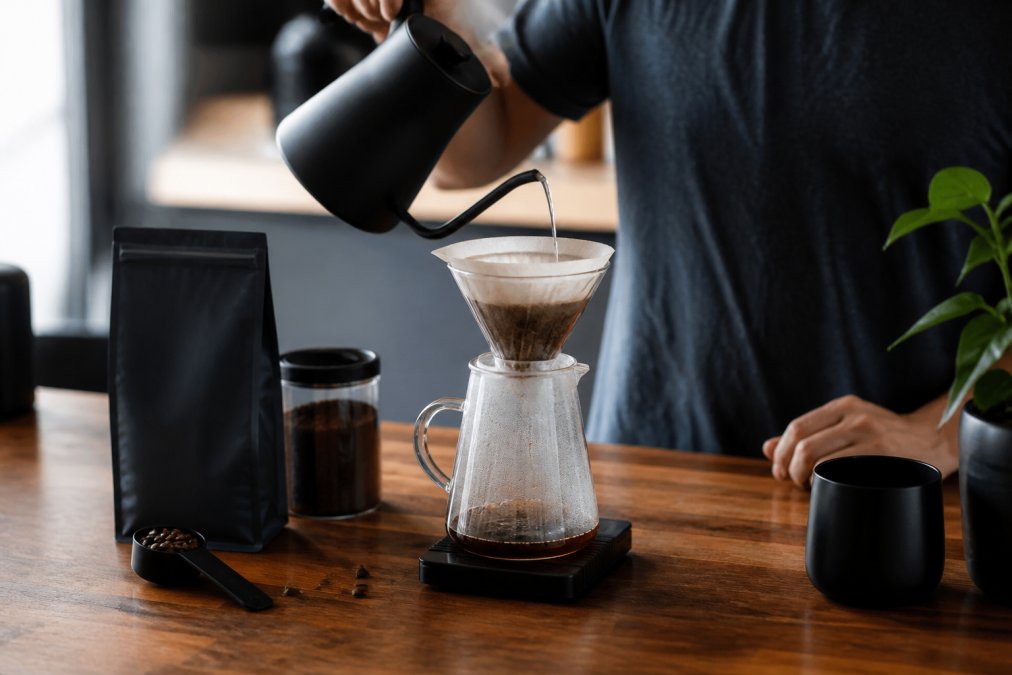
Pour-over brewing (using methods like Chemex, V60, or Melitta) gives you maximum control over extraction. You're pouring water at specific temperatures over a specific grind size, allowing precise adjustment of how quickly water moves through grounds. This method highlights acidity and flavor complexity, ideal for single-origins where you want to experience distinct tasting notes. The process typically takes 3-4 minutes and requires a gooseneck kettle for consistent pouring.
French press creates a full-bodied cup by steeping grounds directly in hot water for 4 minutes before pressing. This immersion method extracts more oils and sediment, resulting in a richer mouthfeel. French press works well for darker roasts and blends designed for body rather than delicate aromatics. The tradeoff is less clarity in flavor, the oils can mask subtle tasting notes.
Espresso machines extract under pressure in 25-30 seconds, creating concentrated shots with crema and intense flavor. Espresso demands the most precision, grind size, tamping pressure, and water temperature all affect extraction. For specialty coffee, espresso highlights sweetness and body while compressing acidity. Many specialty roasters offer espresso blends specifically formulated for this brewing method.
Aeropress combines immersion and pressure for a middle-ground approach. Brewing takes 1-2 minutes, producing a clean cup with good body. It's forgiving for beginners and produces consistent results across different coffees.
Water temperature matters significantly. Specialty coffee typically brews best between 195-205°F. Too hot and you over-extract bitter compounds. Too cool and you under-extract, resulting in sour, thin cups. A simple thermometer or kettle with temperature control solves this variable.
Grind size determines extraction speed. Finer grinds (espresso) extract quickly under pressure. Medium grinds (pour-over) extract over 3-4 minutes. Coarse grinds (French press) extract over 4+ minutes. Matching grind size to your brewing method is essential for balanced extraction.
Most specialty coffee enthusiasts benefit from a burr grinder rather than blade grinders. Burr grinders produce consistent particle sizes, while blade grinders create uneven pieces that extract unevenly. For specialty coffee, consistency in grind size directly translates to consistency in flavor.
Best Coffee Subscription Services 2026
Coffee subscriptions remove the friction of reordering while ensuring regular delivery of fresh beans. The best services offer customization, flexible scheduling, and the ability to pause or adjust without penalties.
| Service | Starting Price | Frequency Options | Best For | Standout Feature |
|---|---|---|---|---|
| Venro Coffee Co. | $24.99 sample pack | Flexible intervals | Variety seekers | Wide single-origin selection, direct delivery |
| Onyx Coffee Lab | $16.63/10oz | Subscription available | Ethics-focused | Direct trade transparency, competition roasts |
| Blue Bottle Coffee | $25.50/12oz | Customizable | Freshness priority | Roast-to-order model guarantees freshness |
| Intelligentsia Coffee | $17.50/12oz | Subscription available | Espresso lovers | Direct-trade, renowned espresso blends |
| Counter Culture Coffee | $13.99/12oz | Flexible scheduling | Sustainability focus | Industry-leading transparency reports |
| Heart Coffee Roasters | $15.50/bag | Roaster's Choice available | Consistency seekers | Long-term farmer relationships |
Subscription models vary in flexibility. Some lock you into monthly deliveries with cancellation friction. The best services allow you to adjust frequency (every 2 weeks, monthly, every 6 weeks), skip shipments, or pause subscriptions without penalty. Venro Coffee Co. emphasizes this flexibility, you control delivery frequency and can customize which coffees you receive.

Subscription Frequency and Customization
How often you should subscribe depends on your consumption rate and storage capacity. A typical household of two coffee drinkers consumes about one 12oz bag per week. If you brew daily and prefer variety, bi-weekly subscriptions provide fresh beans without overstock. If you brew occasionally or prefer consistency, monthly subscriptions work better.
Customization options matter more than you might expect. Some subscription services send the same coffee every month, fine if you love it, frustrating if you want variety. The best services let you choose from current offerings each shipment or offer curated selections (like Onyx's Southern Weather subscription) that rotate regularly.
Storage affects subscription frequency. Whole beans stay fresh for 2-3 weeks after roasting in an airtight container at room temperature. Ground coffee deteriorates faster, within days. If you're grinding fresh each morning, weekly or bi-weekly subscriptions keep beans within the optimal freshness window. If you're buying in bulk, store extra beans in the freezer (in airtight containers) to extend shelf life.
What Makes a Specialty Coffee Brand Stand Out
The specialty coffee market has matured beyond simple quality claims. Today's standout brands differentiate through sourcing transparency, roasting expertise, and customer experience.
Sourcing transparency matters increasingly to consumers. Specialty coffee brands that document origin, altitude, processing method, and farmer relationships build trust. Onyx Coffee Lab and Intelligentsia pioneered direct trade models specifically to provide this transparency. When you know where coffee comes from and how much the farmer was paid, the premium pricing becomes justifiable rather than arbitrary.
Freshness commitment separates specialty roasters from commodity suppliers. Blue Bottle's roast-to-order model and Venro's direct-to-door shipping both prioritize getting fresh beans to you quickly. The time between roasting and brewing directly impacts flavor, this isn't marketing, it's chemistry. Volatile aromatics that create complexity dissipate within days of roasting.
Flavor profiling and education appeals to coffee enthusiasts who want to develop their palate. Detailed tasting notes, specific references to chocolate, citrus, floral, or fruity characteristics, help you understand what you're tasting and identify origins you prefer. Some roasters provide cupping scores (a standardized specialty coffee evaluation), altitude information, and processing details that serious coffee drinkers use to make purchasing decisions.
Roasting expertise shows in consistency and intentionality. Specialty roasters adjust roast profiles to highlight each origin's strengths rather than applying a one-size-fits-all approach. A light roast of Ethiopian coffee emphasizes fruity and floral notes. A medium roast of Brazilian coffee highlights chocolate and body. This intentional roasting requires skill and experience.
Sustainability and ethical practices increasingly influence purchasing decisions. Certifications like Fair Trade, Rainforest Alliance, or organic status matter to environmentally conscious consumers. Direct trade relationships often provide better sustainability outcomes than commodity sourcing, though direct trade isn't the only ethical option.
Customer experience includes subscription flexibility, return policies, and responsiveness. Specialty coffee brands that allow you to pause subscriptions without penalty, customize selections, or return unsatisfactory coffee build loyalty. The best services treat customer experience as seriously as coffee quality.
Many specialty coffee brands excel in one or two of these areas. The standout brands excel across multiple dimensions, they roast intentionally, source transparently, prioritize freshness, and treat customers well. These brands command premium pricing because they deliver genuine value beyond commodity coffee.
Conclusion: Finding Your Perfect Specialty Coffee
Choosing among the best specialty coffee brands 2026 comes down to aligning your priorities with what each roaster emphasizes. If you value variety and direct delivery, Venro Coffee Co. offers an exceptional selection of single-origins and blends at competitive pricing. If transparency and ethical sourcing drive your decision, Onyx Coffee Lab's direct trade model provides documented relationships with farmers. If freshness is your primary concern, Blue Bottle's roast-to-order approach guarantees peak flavor.
Start with a sample pack to explore without full commitment. Most specialty roasters offer variety packs at accessible price points, Venro's Best Sellers Sample Pack or Single Origin Favorites Sample Pack let you experience multiple coffees before deciding on a subscription. Once you identify your flavor preferences and brewing method, you'll understand which roaster aligns with your priorities.
The specialty coffee market rewards experimentation. Subscribe to one or two roasters, explore different origins and processing methods, and pay attention to which flavor profiles resonate with you. Over time, you'll develop a rotation of favorite coffees and understand what you're actually paying for when you choose specialty over commodity coffee.
Specialty Coffee Association standards for quality evaluation define what separates specialty from commercial coffee, primarily through cupping scores and defect standards. Understanding these benchmarks helps you evaluate whether a coffee's price reflects actual quality differences or marketing positioning.
Get started with Venro Coffee Co. and experience how freshly roasted, carefully sourced specialty coffee transforms your daily ritual. Shop Coffee and explore single-origins that match your flavor preferences, or start with a sample pack to discover what resonates with your palate.
Frequently Asked Questions
What defines a specialty coffee brand?
Specialty coffee brands focus on high-quality arabica beans, typically scoring 80+ on the Specialty Coffee Association cupping scale. They emphasize traceability, direct relationships with farmers, detailed tasting notes, and freshness through roast-to-order or recent roast dates. Unlike commercial coffee, specialty brands highlight origin, processing method, altitude, and flavor complexity. Venro Coffee Co. exemplifies this with carefully sourced single-origin beans and signature blends featuring distinct flavor profiles like chocolate, citrus, and floral aromatics.
How do I choose specialty coffee beans based on my brewing method?
Different brewing methods extract flavors differently. For espresso, choose medium to dark roasts with body and complexity, look for blends designed for espresso. For pour-over or filter coffee, medium and light roasts highlight acidity and floral notes. Cold brew benefits from full-bodied, darker roasts. Check the roaster's tasting notes and processing method: washed coffees offer clean, bright profiles; natural-process beans provide fruitier, jammy notes. Venro's single-origin coffees include brewing recommendations, helping you match beans to your equipment and taste preferences.
Are specialty coffee subscriptions worth the cost compared to local coffee shops?
Specialty coffee subscriptions typically cost $15-$26 per 12oz bag, roughly equivalent to 4-5 specialty cafe drinks. You gain freshness (roasted within days), variety, and the ability to explore single-origins and processing methods unavailable locally. Subscription services often offer customization, detailed tasting notes, and direct-trade sourcing information. For home baristas brewing daily, subscriptions deliver better value and consistency than cafe visits. Venro's sample packs ($24.99) let you test multiple origins before committing to a subscription.
How can I tell if a specialty coffee brand is actually ethically sourced?
Look for third-party certifications like Fair Trade, Rainforest Alliance, or Organic. Direct-trade roasters publish farmer names, farm locations, and pricing transparency. Check the brand's website for impact reports and sourcing statements. Top specialty brands like Onyx, Counter Culture, and Heart Coffee detail their relationships with producers and commit to long-term partnerships. Venro sources carefully from trusted growers and includes origin information on each bag. Request certifications or sourcing details if they're not published, legitimate brands provide this transparency.
What's the difference between single-origin and blend coffee?
Single-origin beans come from one country, region, or farm, highlighting unique terroir, altitude, and processing. They showcase distinct flavor profiles, Kenyan coffees offer bright citrus and wine notes; Sumatran beans provide earthy, full-bodied characteristics. Blends combine beans from multiple origins to create balanced, consistent flavor profiles. Blends often target specific brewing methods or flavor goals. Single-origins invite exploration and experimentation; blends provide reliable, approachable cups. Venro offers both: their single-origin favorites like Peru and Tanzania showcase regional complexity, while blends like Cowboy and 6Bean deliver balanced everyday drinking.
This article was written using GrandRanker