



Best Cold Brew Coffee Subscription Box 2026: Top Picks
Table of Contents
- Why a Cold Brew Coffee Subscription Beats Store-Bought
- What to Look for in a Cold Brew Coffee Subscription
- Best Coffee Subscription Boxes 2026: Our Top Picks
- Cost-Per-Cup Analysis: Subscription vs. Café vs. DIY
- Single-Origin Coffee Beans for Cold Brew: Do They Matter?
- How to Make Cold Brew at Home With Your Subscription
- Storage, Shelf Life, and Delivery Logistics
- Sustainability and Ethical Sourcing in Coffee Delivery
- Conclusion: Choosing Your 2026 Cold Brew Subscription
- Frequently Asked Questions
Last Updated: September 5, 2026
Why a Cold Brew Coffee Subscription Beats Store-Bought
The best cold brew coffee subscription box 2026 options deliver beans roasted days before they hit your doorstep, which is something most grocery store bags simply cannot match. A cold brew coffee subscription is a recurring delivery service that sends freshly roasted, coarsely ground coffee engineered specifically for the steeping process, eliminating the guesswork of brewing at home. At Venro Coffee Co., we have spent years refining what makes a subscription worth keeping: freshness, roast integrity, and a grind size tailored to cold extraction rather than a one-size-fits-all bag.
Store-bought cold brew concentrate often sits on shelves for months before you open it. Oxidation degrades the flavor profile, flattening the tasting notes and introducing a stale, cardboard-like quality. Subscription coffee, by contrast, is typically roasted and shipped within days, preserving the volatile oils that carry chocolate, toffee, and floral accents.
The second advantage is specificity. Most retail coffee is ground for drip machines, which produces a grind far too fine for cold brewing. A proper cold brew requires an extra-coarse grind to prevent over-extraction and bitterness during the 12-to-24-hour steep. Subscription services that understand this distinction deliver a product ready for your brewer, not a compromise.
What to Look for in a Cold Brew Coffee Subscription
Most guides get this wrong by focusing on price per bag while ignoring what actually determines your cup quality. Before committing to a cold brew coffee subscription, evaluate four criteria: roast date transparency, grind specificity, customization options, and cancellation flexibility.
Roast date transparency matters because coffee is a perishable agricultural product. A service that cannot tell you when the beans were roasted is likely shipping inventory that has aged in a warehouse. Grind specificity is equally critical. The best cold brew coffee subscription boxes offer a coarse grind engineered for cold extraction, saving you the equipment and hassle of grinding at home.
Customization determines whether the subscription adapts to your palate or forces you into a rigid schedule. Look for services that let you toggle between roast profiles, adjust subscription frequency, and pause deliveries when you travel. A rigid auto-ship model that ignores your consumption pace is a liability, not a convenience.
Best Coffee Subscription Boxes 2026: Our Top Picks
The market for specialty coffee delivery has matured significantly, and the best coffee subscription boxes 2026 offer a level of refinement that was rare just a few years ago. After evaluating dozens of services against freshness protocols, grind accuracy, sourcing practices, and flexibility, we have narrowed the field to three distinct leaders. Each excels in a different use case, so the right choice depends on whether you prioritize roast variety, convenience, or budget.
Venro Coffee Co.: Best for Roast-Specific Cold Brew
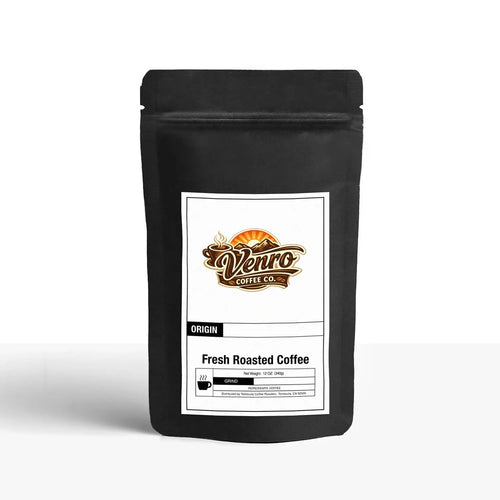
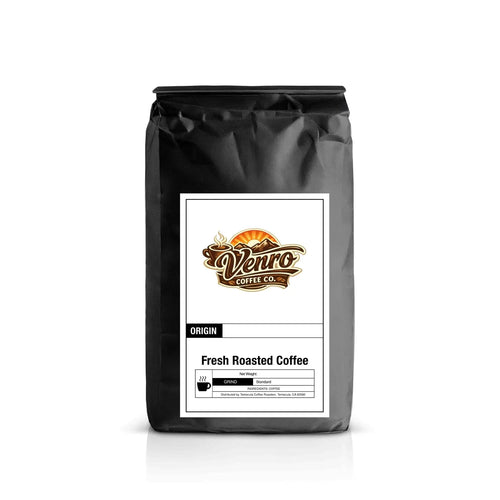
Our top overall pick for a cold brew coffee subscription box is Venro Coffee Co., and the reason comes down to deliberate roast engineering rather than generic blending. The Specialty Coffee Association's brewing standards emphasize that extraction quality depends on matching grind size and roast to the brewing method, which is precisely the philosophy Venro applies to its cold brew line.
The Dark Roast option is a French roast ground very coarse, containing nothing artificial, just 100% coffee. It is built for drinkers who want a bold, full-bodied concentrate with low acidity and a heavy mouthfeel that stands up to milk or cream. The Medium Roast, by contrast, is engineered specifically for cold brew and nitro, with a tasting profile of chocolate, toffee, and floral tones. Its naturally low bitterness makes it the superior choice for drinking black over ice.

What most reviews miss is that these two roasts are not interchangeable. The dark roast delivers intensity; the medium roast delivers complexity. Many subscribers keep both on rotation, using the dark for concentrated blends and the medium for nitro-style pours. At $19.99 per bag, both options undercut the cost of daily café cold brew while delivering a fresher product.
| Roast Option | Tasting Profile | Best Served | Price |
|---|---|---|---|
| Dark French Roast | Bold, low acidity, heavy body | With milk or cream | $19.99 |
| Medium Roast | Chocolate, toffee, floral | Black over ice or nitro | $19.99 |
Atlas Coffee Club: Best for Exploring Single-Origin Lots
If your priority is tasting the difference between a Sumatran lot and a Guatemalan lot in cold brew, Atlas Coffee Club is the strongest challenger. Atlas ships a curated single-origin coffee each month, and its subscription model is built around discovery rather than consistency. Each shipment includes a postcard detailing the farm, elevation, and processing method, which adds an educational layer that most competitors skip.
For cold brew specifically, Atlas offers a coarse grind option at checkout, though you must remember to select it; the default grind is calibrated for drip. The trade-off is that you cannot lock in a single favorite origin. If you fall in love with a particular lot, you may not see it again for months. Pricing lands around $18.00 per 12-ounce bag with free shipping on recurring orders, which is competitive with Venro but with less control over the roast profile.
Trade Coffee: Best for Customization and Roaster Variety
Trade Coffee operates as a marketplace rather than a single roaster, giving subscribers access to over 400 roasters nationwide. Its matching quiz considers your preferred flavor notes, brew method, and roast level, then pairs you with a roaster that fits your profile. For cold brew drinkers, Trade's advantage is the ability to switch roasters every shipment without changing your subscription settings.
The downside is variability. Because Trade sources from many roasters, grind consistency and roast dates are not uniform across shipments. Most partner roasters do offer a coarse grind option, but quality control is less predictable than a dedicated cold brew line. Trade's pricing ranges from $15.00 to $25.00 per bag depending on the roaster, and its cancellation policy is straightforward from the account dashboard.
How They Compare at a Glance
| Service | Best For | Price Range | Grind Options | Roast Control |
|---|---|---|---|---|
| Venro Coffee Co. | Dedicated cold brew roasts | $19.99/bag | Extra-coarse standard | High (two signature roasts) |
| Atlas Coffee Club | Single-origin exploration | ~$18.00/bag | Coarse available on request | Low (rotating origins) |
| Trade Coffee | Roaster variety and switching | $15.00-$25.00/bag | Varies by roaster | Medium (quiz-based matching) |
How We Evaluated These Services
Our evaluation weighted five criteria equally: roast date transparency, grind accuracy for cold extraction, customization flexibility, packaging sustainability, and cancellation ease. We ordered from each service, brewed identical batches using a 1:4 coffee-to-water ratio with a 16-hour steep, and compared the resulting concentrate for bitterness, mouthfeel, and flavor clarity. We also tested each service's customer support response time with a simple question about brew ratios.
Cost-Per-Cup Analysis: Subscription vs. Café vs. DIY
The economics of a cold brew coffee subscription box shift dramatically once you calculate cost-per-serving instead of sticker price per bag. A typical 12-ounce bag of subscription cold brew coffee yields roughly eight to ten servings of concentrate, depending on your dilution ratio. At $19.99 per bag, that lands near $2.00 to $2.50 per cup before adding water or milk.
A café cold brew, by contrast, routinely costs $4.50 to $6.00 for a 16-ounce serving, and that price assumes you are not tipping. The markup is not for the coffee itself; it is for labor, rent, and equipment amortization. Over a 20-workday month, a daily café habit runs $90 to $120. The same month of subscription coffee costs roughly $40 to $60, a savings that compounds quickly.
DIY brewing from whole beans purchased at retail appears cheaper on the surface, but the math often reverses once you factor in waste. Grocery store beans are frequently stale before you buy them, and a fine drip grind produces bitter cold brew that many drinkers discard. A subscription eliminates both the staleness risk and the grind mismatch, which is why the effective cost-per-serving of a purpose-built product often beats the bargain-bin alternative.
Single-Origin Coffee Beans for Cold Brew: Do They Matter?
Single-origin coffee beans for cold brew absolutely matter, but not for the reasons most marketing copy suggests. The steeping process is a low-temperature, long-duration extraction that behaves differently from hot brewing. It is far more forgiving of bitter compounds, which means the delicate flavor notes that distinguish a single-origin lot actually survive the process intact.
In hot brewing, high temperatures extract aggressively, often blurring the differences between origins. Cold extraction is gentler, preserving the brighter, more aromatic compounds that define a region's terroir. A single-origin Ethiopian bean, for example, may contribute floral and citrus notes to cold brew that would be muted or destroyed by boiling water. This is why the National Coffee Association's brewing guidance recommends adjusting your approach based on the beans you select.
That said, single-origin is not automatically superior to a well-constructed blend. A blend can be engineered for balance, combining beans that contribute body, sweetness, and aroma in deliberate proportion. The decision comes down to preference: single-origin rewards curiosity and experimentation, while a signature blend delivers consistency cup after cup. Venro Coffee Co. offers both pathways, letting subscribers explore single lots or lock in a dependable daily driver.
How to Make Cold Brew at Home With Your Subscription
Making cold brew at home with a subscription is straightforward, provided you respect the ratio and the steeping process. The standard formula is one part coffee to four parts water by weight, steeped for 12 to 18 hours at room temperature or in the refrigerator. Your subscription's coarse grind is designed for exactly this method, so no additional equipment beyond a large jar and a filter is required.
Start by measuring 100 grams of coarse-ground coffee into a French press or large mason jar. Add 400 grams of cold, filtered water and stir gently to ensure all grounds are saturated. Cover the vessel and let it steep for 14 hours at room temperature; longer steeps extract more caffeine content and body but risk introducing bitterness beyond the 18-hour mark.
After steeping, press the plunger or filter the mixture through a cheesecloth-lined sieve. The resulting concentrate will be shelf-stable in the refrigerator for up to two weeks, though flavor is best within the first seven days. Dilute the concentrate with equal parts water or milk for a standard cup, or adjust to taste. For nitro-style foam at home, transfer the concentrate to a whipped cream dispenser charged with nitrous oxide and serve from a chilled glass.
Storage, Shelf Life, and Delivery Logistics
A cold brew coffee subscription raises a practical question that most reviews ignore: what happens to the coffee between the roaster and your cup? The answer depends on the form your subscription takes. Whole-bean and ground coffee subscriptions require different handling than ready-to-drink cans or shelf-stable concentrates.
Whole-bean and ground coffee should be stored in an airtight, opaque container away from heat, light, and moisture. Once opened, the beans begin losing volatile aromatic compounds immediately, which is why the Food and Drug Administration's guidance on food storage emphasizes proper sealing for perishable food products. Consume ground coffee within two to three weeks of the roast date for optimal flavor, and never freeze beans you plan to use within a month.
Delivery logistics matter for subscribers with demanding schedules. Many services, including Venro Coffee Co., ship directly to your door on a cadence you control, which means you can align deliveries with your actual consumption rather than a fixed calendar. If you travel frequently, pause the subscription before a trip rather than letting bags accumulate. Coffee that sits in a hot mailbox or on a porch for days degrades noticeably, so choose a delivery address where packages are retrieved promptly.
Sustainability and Ethical Sourcing in Coffee Delivery
The environmental footprint of a cold brew coffee subscription extends beyond the beans to the packaging, shipping method, and sourcing practices of the roaster. Most reviews stop at saying "look for recyclable packaging" without explaining what that actually means for the materials on your doorstep. This section breaks down the real trade-offs in packaging materials, certification programs, and shipping logistics so you can make an informed choice.
Packaging Materials: What Actually Happens to Each Component
The typical coffee subscription box contains three packaging components: the outer shipping box, the inner bag, and the one-way degassing valve. Each has a different environmental profile, and the recyclability claims on the front of the bag often obscure what happens to the parts you cannot see.
Outer shipping boxes are almost universally made from corrugated cardboard, which is recyclable through curbside programs in most municipalities. The variable is whether the box uses plastic tape or paper tape; paper tape allows the entire box to go into the recycling stream without sorting. Some roasters, including Venro Coffee Co., use compostable mailers made from cornstarch-based bioplastics for smaller shipments, though these require industrial composting facilities that are not available in every city.
Inner bags are where the claims get murky. Traditional coffee bags use a multi-layer laminate of foil and polyethylene to create an oxygen barrier that preserves freshness. This construction is not recyclable in standard curbside programs because the layers cannot be separated. A growing number of roasters have switched to polyethylene bags that are technically recyclable through store drop-off programs, but these bags offer a shorter shelf life for the coffee inside. Home-compostable bags made from wood pulp and plant-based polymers exist, but they require specific moisture and temperature conditions to break down, and most home compost piles do not reach the sustained heat needed for full degradation.
The one-way degassing valve is the most overlooked component. This small plastic valve allows carbon dioxide to escape from freshly roasted beans without letting oxygen in. It is almost never recyclable, and it contaminates the bag's recycling stream if not removed. Some roasters have moved to a "bag-in-box" design that separates the valve from the main packaging, but this is still rare in the industry.
Certification Programs: What the Labels Actually Guarantee
Ethical sourcing claims are only as strong as the verification behind them. The three most common certifications in the coffee industry are USDA Organic, Fair Trade, and Rainforest Alliance, and they certify different things.
USDA Organic verifies that the coffee was grown without synthetic pesticides or fertilizers. It does not address labor practices or farmer wages. Fair Trade certification, administered by Fair Trade USA, sets a minimum price floor for green coffee and requires that a portion of the purchase price goes to community development projects. However, Fair Trade does not guarantee that the coffee is organic. Rainforest Alliance certification focuses on biodiversity conservation and sustainable livelihoods, but its standards are widely considered less stringent than Fair Trade on labor issues.
A roaster that claims "direct trade" without third-party certification is making an unverifiable assertion. Direct trade can mean anything from a genuine long-term relationship with a named farm to a loose arrangement with an importer. The most credible roasters publish their sourcing partners by name and region on their websites, allowing you to verify the claim independently.
Shipping Logistics: The Hidden Carbon Cost
Ground shipping of a single 12-ounce bag generates roughly 1.5 to 2.5 pounds of carbon dioxide equivalent emissions, depending on the carrier and distance traveled. That footprint is small compared to the emissions from driving to a café, but it adds up over a year of monthly deliveries. Some services offer carbon-neutral shipping by purchasing offsets, though the quality of these offset programs varies widely.
A more meaningful differentiator is delivery frequency. A subscription that ships one bag every two weeks generates twice the shipping emissions of a service that ships two bags monthly. Consolidating shipments is the single most effective way to reduce the carbon footprint of a coffee subscription, and it is a factor most comparison guides ignore entirely.
What Venro Coffee Co. Does Differently
Venro Coffee Co. uses recyclable cardboard outer boxes with paper tape, and its inner bags are made from a single-layer polyethylene that is accepted by most store drop-off recycling programs. The degassing valve is removable and marked with a recycling instruction icon. Sourcing is documented through named partner farms in Central and South America, with USDA Organic certification available on select lots. Subscribers can choose a monthly, every-six-weeks, or every-two-months delivery cadence, which allows for shipment consolidation without forcing a fixed schedule.
Conclusion: Choosing Your 2026 Cold Brew Subscription
The right cold brew coffee subscription box for 2026 balances freshness, grind accuracy, and flexibility against your actual drinking habits. The best coffee subscription boxes 2026 are not necessarily the cheapest per bag; they are the ones that deliver a product you finish without waste and look forward to brewing. If you drink cold brew most days, a subscription pays for itself against café prices while giving you control over roast profile and strength.
At Venro Coffee Co., we believe the ritual matters as much as the caffeine. Our cold brew line is freshly roasted, carefully sourced, and ground specifically for the steeping process, with dark and medium roasts that reward different palates. Whether you are chasing a bold concentrate for morning coffee or a smooth, low-acid pour for afternoon sipping, the right subscription turns a daily habit into a deliberate choice.
Frequently Asked Questions
Are cold brew coffee subscriptions worth the cost compared to store-bought?
Yes, for most home brewers. A 12-ounce bag of specialty cold brew coffee costs around $19.99 and yields roughly 8-10 cups of concentrate, which translates to about $2.00-$2.50 per serving. Store-bought concentrate often costs $2.00-$3.00 per serving, while a café cold brew runs $4.00-$6.00. The subscription also delivers freshly roasted beans designed for cold extraction, which directly improves flavor compared to generic supermarket options.
Can I customize my cold brew subscription frequency?
Most quality subscription services allow you to control delivery cadence. Look for options to schedule deliveries every two, three, or four weeks depending on your consumption rate. If you brew daily, a monthly 12-ounce bag works well. For lighter drinkers, extending the interval prevents coffee from sitting too long. The best coffee subscription boxes 2026 offer this flexibility, so you can adjust timing without canceling.
What is the difference between cold brew concentrate and ready-to-drink coffee?
Cold brew concentrate is brewed at a high coffee-to-water ratio, typically 1:4 or 1:5, and must be diluted with water or milk before drinking. Ready-to-drink (RTD) cold brew comes pre-diluted and shelf-stable or refrigerated, so you can drink it straight from the can. Subscriptions that send whole beans or coarse grounds give you control over strength, while RTD options prioritize convenience. Your choice depends on whether you value customization or grab-and-go speed.
How do I know which roast profile works best for homemade cold brew?
For cold brew, choose a dark French roast for bold, chocolatey notes with low acidity, or a medium roast for a smoother cup with floral and toffee tones. The steeping process extracts differently than hot brewing, so bitterness is muted even with dark roasts. If you prefer single-origin coffee beans for cold brew, look for beans from Brazil or Sumatra, which offer naturally sweet and nutty flavor profiles that hold up well during the 12-24 hour extraction time.
Choosing a subscription is about aligning delivery cadence and roast profile with your consumption pace. Venro Coffee Co. delivers freshly roasted, carefully sourced specialty coffee directly to your door, with single-origin options, signature blends, and convenient single-serve capsules for every brewing style. Get started with Venro Coffee Co. and make your 2026 cold brew the best you have ever tasted.