



Single Origin vs Signature Blends: Which Coffee Wins
Table of Contents
- Single Origin vs Signature Blends: The Core Difference
- Understanding Flavor Profiles of Specialty Coffee
- Traceability, Terroir, and What You're Actually Tasting
- Single Origin vs Blend for Espresso: Which Performs Better
- Consistency vs Discovery: What Each Offers
- How to Choose Specialty Coffee Beans for Your Brewing Method
- Price, Value, and the Third Wave Coffee Movement
- Conclusion: Building Your Coffee Preference
- Frequently Asked Questions
Last Updated: September 1, 2026
Single Origin vs Signature Blends: The Core Difference
When you pick up a bag of coffee, you're making a choice that affects everything from the flavor in your cup to the story behind the beans. Single origin vs blends represents one of the most fundamental decisions in specialty coffee.
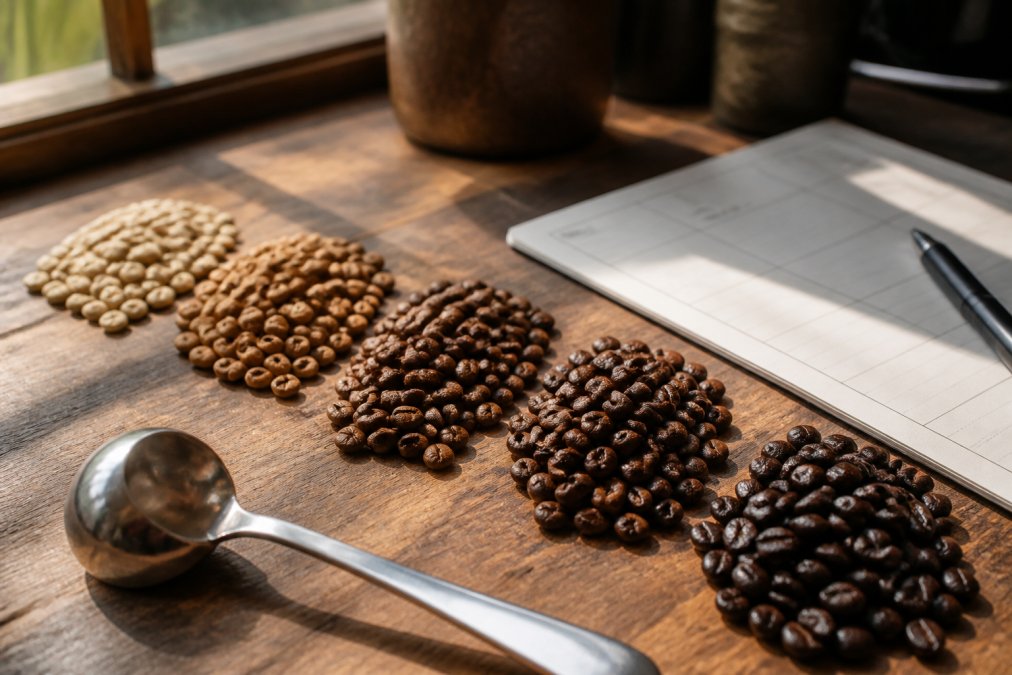
A single origin coffee comes from one specific country, region, or even a single farm. A signature blend combines beans from multiple origins, roasted and mixed to create a consistent, intentional flavor profile. Venro Coffee Co. offers both approaches, recognizing that different drinkers have different priorities.
The core tension is this: single origins celebrate uniqueness and terroir, the distinct characteristics that come from where and how the coffee grows. Blends prioritize consistency and complexity, layering flavors from different regions to create something you can't get from beans alone. Neither is objectively better. The choice depends on what you actually want from your coffee.
Understanding Flavor Profiles of Specialty Coffee
Single Origin Tasting Notes
A single origin coffee tastes like where it comes from. The altitude, soil composition, rainfall patterns, and harvest season all leave their mark on the beans. When you brew a single origin, you're tasting the terroir, the complete environmental story of that specific location.
Take the Brazil Santos from Venro Coffee Co.: it delivers milk chocolate, nutty, and low acidity notes because of the volcanic loam soil and altitude of the Santos region. Single origins are often described with specific tasting notes: citrusy, floral, chocolatey, caramel, or fruity. These aren't marketing language; they're actual flavor compounds that develop during growth and processing.
Single origins have seasonal variation. The same farm, same altitude, same region, but harvest in June versus December produces noticeably different coffee. This inconsistency is exactly what makes single origins exciting for enthusiasts. For beginners, though, this variability can feel unpredictable.
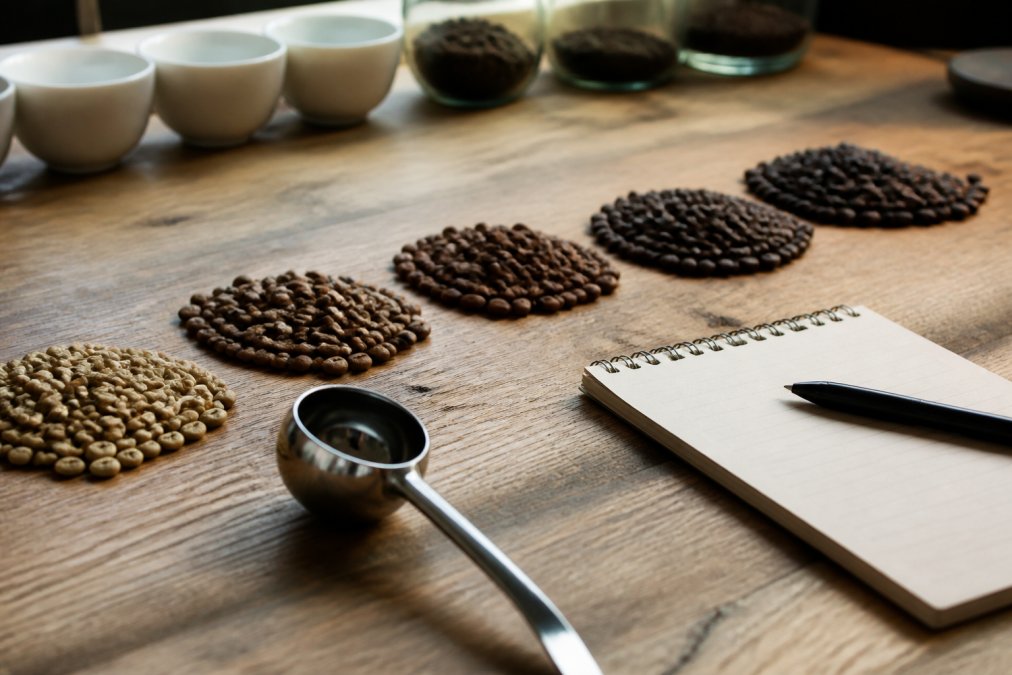
The acidity you taste in a single origin isn't unpleasant; it's brightness. High-altitude African coffees often have bright, floral, fruity acidity. Brazilian coffees have low acidity and feel heavier on the palate. This sensory experience is part of what makes single origins worth exploring.
Blend Consistency and Complexity
A signature blend is engineered. The roaster selects beans from multiple origins specifically because they complement each other. The 6 Bean Blend from Venro Coffee Co. pulls from six regions worldwide to create dark chocolate, walnut, and caramel notes with full body and low acidity.

Blends solve the consistency problem. Because multiple origins are mixed, seasonal variation from any single source gets smoothed out. You get the same experience every time you open a bag. For people who want reliability, blends deliver that promise.
The complexity in a blend comes from layering. A single origin has one story to tell. A blend has multiple stories woven together. When you combine a bright, citrusy bean with a heavy, chocolatey one, the result is more complex than either alone. This is why espresso blends exist, they're designed to perform consistently across different grind sizes, water temperatures, and extraction times.
Blends aren't inferior to single origins; they're different. A well-crafted blend requires more skill to create than sourcing a good single origin.
Traceability, Terroir, and What You're Actually Tasting
Terroir encompasses everything: soil type, altitude, rainfall, temperature fluctuations, and the farmers' practices. When you drink a single origin, you're tasting terroir directly. The Ethiopia from Venro Coffee Co.'s Single Origin Favorites Sample Pack comes from the Sidama zone, processed with natural fermentation on raised beds. That processing method is part of what makes it taste the way it does.

Traceability matters because it connects you to the people who grew your coffee. Direct trade relationships mean the farmer gets paid fairly. When you buy single origin, you're often buying a story you can verify: this farm, this altitude, this harvest season, this process.
Blends complicate traceability. You know the blend exists, but tracking individual beans back to specific farms becomes harder. That doesn't mean blends aren't ethical; many are. But single origins offer clearer accountability.
The Third Wave coffee movement, which emphasizes quality, traceability, and the craft of roasting, is built on single origins (peer-reviewed research). Third Wave roasters treat coffee like specialty food, highlighting origin and process rather than hiding it under heavy roasting. This movement elevated the entire specialty coffee industry and made terms like "terroir" and "micro-lot" common vocabulary.
Single Origin vs Blend for Espresso: Which Performs Better
Espresso demands consistency. The extraction happens in 25-30 seconds under 9 bars of pressure. Variables that barely matter in drip coffee become critical: grind size, water temperature, distribution, tamping pressure, and the coffee's solubility. A single origin's seasonal variation can throw off your espresso dial every few months. A blend, by contrast, is designed to handle these variables.
The 6 Bean Blend from Venro Coffee Co. exists as a dark roast specifically for espresso. It's built for crema, for body, for the specific demands of espresso machines. Single origins can make excellent espresso, but you'll spend more time dialing in your machine.
The roast profile matters here too. Single origins are often roasted lighter to preserve their unique flavors and acidity. Blends are frequently roasted darker, which creates the body and sweetness espresso needs. A light-roasted single origin in an espresso machine often tastes sour or thin.
For home baristas, if you're pulling shots every morning and want consistency, a blend designed for espresso is the smarter choice. If you want to explore different origins and don't mind adjusting your machine, single origins offer more variety and discovery.
Consistency vs Discovery: What Each Offers
Single origin coffee is about discovery. Every bag is different. The Colombia from Venro Coffee Co.'s Single Origin Favorites Sample Pack tastes like dried orange, berry, and chocolate, but next season's Colombia from the same farm might shift slightly. That variation is the point.
This discovery model appeals to enthusiasts, people who subscribe to coffee services to try new origins every month, who taste their coffee intentionally, and who see coffee as a hobby, not just a beverage.
Blends offer predictability. You buy the House Blend because you know what it tastes like. Medium roast, nutty, sweet chocolate, mild citrus, clean bright finish. You buy it again next month and get the same thing. This consistency is valuable and reliable.
Many coffee drinkers use both: a reliable blend for weekday mornings when you just need caffeine, and single origins for weekends when you have time to pay attention. Venro Coffee Co. recognizes this by offering both options.
How to Choose Specialty Coffee Beans for Your Brewing Method
Your brewing method determines which coffee will perform best. Different methods extract at different rates and temperatures, and coffee responds differently to each.
For French press, which uses immersion brewing and extended contact time (typically 4 minutes at 195-205°F), both single origins and blends work well. Use a coarser grind (similar to breadcrumbs) to slow extraction and prevent over-steeping. The Costa Rica from Venro Coffee Co.'s Single Origin Favorites Sample Pack, with sweet apple, raisin, and honey notes, reveals all its character in a French press when you use a 4-minute steep.
For drip coffee makers, consistency matters more than you might think. A blend designed for drip, like the House Blend from Venro Coffee Co., handles temperature variables better because the roaster has already balanced acidity and body. Use a medium grind (similar to sand) and aim for a brew time of 5-6 minutes. Single origins in drip machines can taste thin or sour if the water temperature drops below 195°F.
For espresso, blends engineered for espresso outperform most single origins because espresso extraction is unforgiving. The 25-30 second pull at 9 bars of pressure means grind size must be precise. Blends designed for espresso are roasted to a level (typically full city or dark roast) that produces the sweetness and body espresso needs. Single origins can make excellent espresso, but you'll need to re-dial your grinder every few weeks as seasonal variation shifts the bean's density and moisture content.
For pour-over methods like Chemex or V60, you have precise control over water temperature (ideally 200-202°F), pour rate, and grind size, making pour-over ideal for single origins. Use a medium-fine grind and pour slowly to achieve a total brew time of 3-4 minutes for V60 or 4-5 minutes for Chemex. The Ethiopia from Venro Coffee Co.'s Single Origin Favorites Sample Pack expresses itself beautifully in a pour-over when you control the variables.
For cold brew, which steeps for 12-24 hours at room temperature (68-72°F), use a coarse grind (similar to peppercorns). Both single origins and blends work, but blends designed for cold brew perform better because the extended steeping time smooths out acidity in ways that can make bright single origins taste flat. A common ratio is 1 part coffee to 4 parts water by weight, steeped for 16 hours, then filtered.
| Brewing Method | Best Coffee Type | Water Temp | Grind Size | Brew Time | Why |
|---|---|---|---|---|---|
| French Press | Either, but single origins shine | 195-205°F | Coarse (breadcrumbs) | 4 min | Full immersion extracts complexity; coarser grind prevents over-steeping |
| Drip Machine | Blends preferred | 195-205°F | Medium (sand) | 5-6 min | Consistency handles temperature fluctuations; single origins risk tasting thin |
| Espresso | Blends designed for espresso | 200-203°F | Medium-fine (precise) | 25-30 sec | Lower acidity, full body, engineered consistency; single origins require frequent re-dialing |
| Pour-Over | Single origins preferred | 200-202°F | Medium-fine | 3-5 min | Precise control highlights origin characteristics; blends don't require same precision |
| Cold Brew | Either, blends optimized | Room temp (68-72°F) | Coarse (peppercorns) | 12-24 hr | Extended steeping smooths acidity; single origins may lose complexity |
Single origins demand more attention to calibration because their acidity and body are fixed by origin. Blends are forgiving because the roaster has already balanced them for a range of conditions.
Price, Value, and the Third Wave Coffee Movement
Single origin coffee costs more. Venro Coffee Co.'s Single Origin Favorites Sample Pack is $24.99 for a variety, while the House Blend is $19.99. Why the difference?
Single origins require more careful sourcing. The roaster is buying from specific farms, often in smaller quantities, with higher traceability requirements. Blends allow roasters to buy larger volumes from multiple sources, spreading costs. Single origins also have higher risk: if a harvest fails or a farm stops producing, you lose that coffee.
The Third Wave movement elevated coffee quality but also prices. When specialty roasters started treating coffee like wine, emphasizing origin, process, and roast profile, they created a market where people would pay premium prices for exceptional coffee. This was a shift from the Second Wave (Starbucks era), which emphasized consistency and convenience over quality. Third Wave roasters typically roast in small batches, ship fresh (roasted within days of order), and provide detailed origin information and tasting notes.
Understanding this context helps you evaluate value. A $24.99 sample pack from Venro Coffee Co. lets you explore origins without commitment. The Best Sellers Coffee Sample Pack at $24.99 lets you try blends and single origins together, understanding your preferences before buying full bags.

Single-origin sourcing, when done through direct trade relationships, often supports smaller farms and encourages sustainable farming practices, shade-grown coffee, water conservation, and soil health, because the farmer receives a premium price that justifies the investment. Blends, by contrast, consolidate beans from multiple origins at a central roasting facility, allowing for more efficient shipping and lower transportation emissions per unit. However, blends don't inherently guarantee sustainable sourcing, many commodity blends use beans from farms with minimal environmental standards.
Value isn't just about price per ounce or environmental impact. It's about what you get: freshness (roasted to order, shipped fresh), variety, traceability, and the experience of discovery. Venro Coffee Co.'s model, delivering freshly roasted coffee directly to your door, eliminates the staleness problem of retail coffee and gives you access to origins you might not find locally.
If sustainability is a priority for you, ask your roaster about their sourcing practices. Single origins from direct trade farms often have the lowest environmental footprint when you account for farming practices. Blends from roasters committed to certified sustainable sourcing can be equally responsible.
Conclusion: Building Your Coffee Preference
The choice between single origin and blends isn't about finding the objectively best option. It's about understanding what you value: discovery or consistency, complexity or predictability, connection to place or reliable performance.
Single origins reward curiosity. They're for people who want to taste the difference between regions, who enjoy seasonal variability, and who value knowing exactly where their coffee comes from. Blends reward loyalty. They're for people who find a coffee they love and want to buy it again with confidence, who value consistency over novelty, and who want their coffee to perform reliably.
Many coffee drinkers use both: a reliable blend for weekday mornings, single origins for weekend exploration. This approach gives you the best of each.
Venro Coffee Co. offers both approaches, recognizing that your coffee preference is personal. Whether you're drawn to the unique terroir of a single origin or the engineered complexity of a signature blend, the goal is the same: a cup that matches your taste and your lifestyle. Start with a sample pack to understand your preference, then build your collection from there.
The real barrier to great coffee isn't finding the right beans, it's having them arrive fresh and having someone explain what makes them different. Venro Coffee Co. solves both. We roast to order and ship fresh, so you're never drinking stale coffee. Our single-origin selections come with detailed tasting notes and origin information, while our signature blends are engineered for consistency and performance. Whether you choose single origins for discovery or blends for reliability, you'll experience coffee that's been carefully sourced and expertly roasted. Shop Coffee and find the origins and blends that match your brewing style.
Frequently Asked Questions
Can you actually taste the difference between single origin coffee and signature blends?
Yes, most coffee drinkers notice clear differences. Single origin coffees express distinct terroir, the region's altitude, soil, and climate create specific flavor notes. A medium-roast Ethiopia might show fruity, caramel notes, while a blend balances multiple origins for consistency. Home brewers using proper water-to-coffee ratios and extraction techniques can detect these differences reliably. Beginners may need a few tastings to develop this skill, but the variation is measurable, not marketing.
Why does single origin coffee cost more than signature blends?
Single origin beans require direct sourcing from specific farms or cooperatives, often at higher altitudes and smaller volumes. Roasters pay premiums for traceability and micro-lot quality. Blends use beans from multiple sources and larger batches, spreading costs across volume. A single origin like Brazil Santos at $19.99 reflects careful sourcing; a blend like the House Blend at the same price combines multiple regions, making per-unit costs lower but final pricing competitive for quality.
Which coffee type is better for espresso, single origin or signature blends?
Signature blends typically perform better for espresso. Blends are engineered for balanced extraction, crema stability, and consistent shot pulls. The 6 Bean Blend, a dark roast, creates the bold complexity and full body espresso requires. Single origins can work for espresso but demand precise grind and pressure adjustment because their distinct flavor notes can become over-extracted or muted. If you're new to espresso, a blend gives you margin for error.
How do I know which specialty coffee beans to choose if I'm not an expert?
Start with your brewing method: espresso machines benefit from blends; pour-overs and French press showcase single origins. Consider your flavor preference, do you want consistency or discovery? Sample packs like the Single Origin Favorites or Best Sellers at $24.99 let you taste without committing. Read tasting notes (chocolate, citrus, floral) to match your palate. If you prefer low-acid, smooth cups, Brazil Santos works for most methods. Experiment with roast level: medium roasts highlight origin character; dark roasts emphasize body and chocolate notes.
This article was written using GrandRanker