



Single Origin Coffee Tasting Guide: Master the Basics
Table of Contents
- What Is Single Origin Coffee?
- Single Origin vs. Blends: Why the Difference Matters
- How to Tell If Coffee Beans Are Fresh
- Understanding Coffee Tasting Notes and the Flavor Wheel
- Coffee Acidity vs. Body Explained
- How Geography, Altitude, and Climate Shape Flavor
- Processing Methods and Their Impact on Flavor
- Regional Flavor Characteristics: What to Expect
- Coffee Cupping Steps for Beginners
- Developing Your Palate: Common Mistakes and Fixes
- Water Chemistry and Its Role in Tasting
- Building Your Single Origin Coffee Collection
- Conclusion
Last Updated: August 19, 2026
What Is Single Origin Coffee?
Single origin coffee comes from one specific geographic location, rather than a blend of beans from multiple regions. This could mean a single country, a specific region within a country, or even a particular farm or cooperative. The key distinction is that every bean in your cup traces back to one defined source, which means you're tasting the unique characteristics of that specific terroir, the combination of altitude, climate, soil, and geography that shapes flavor.
When you purchase single origin coffee, you're investing in specificity. Brazil Santos tastes different from Colombia, which tastes completely different from Ethiopia Natural, because each region produces beans with distinct flavor profiles shaped by local growing conditions. This transparency matters. You know exactly where your coffee came from, and that knowledge helps you understand what you're tasting.

The single origin coffee tasting experience begins the moment you open the bag. Fresh beans should smell vibrant and complex, not flat or stale. At Venro Coffee Co., we roast our single origin beans to order, which means when they arrive at your door, they're at peak freshness. That freshness directly impacts how well you can taste the subtle notes that make single origin coffee worth seeking out in the first place.
Single Origin vs. Blends: Why the Difference Matters
A blend combines beans from two or more origins to create a balanced, consistent cup. A single origin showcases the unique characteristics of one place. The difference isn't about quality, both can be excellent. It's about what you're trying to experience.
Blends smooth out the rough edges. They're engineered to taste the same every time you brew them, which is why coffee shops love them. Single origin coffees are more variable. One bag might have bright citrus notes while another from the same region shows deeper chocolate. That variability is the point. You're tasting the terroir, not a manufactured consistency.
Here's where it gets interesting: single origin coffee demands more from the drinker. You need to pay attention. Blends are forgiving, they work with almost any brewing method and water quality. Single origin beans are more sensitive. Poor water chemistry, incorrect grind size, or water temperature that's even five degrees off can mask the very notes you're paying to experience.
This is why developing your palate matters. When you taste single origin coffee, you're building a relationship with a specific place and its farmers. You're learning how altitude affects acidity, how processing methods change flavor, how seasonal variations shift what's in the cup. That knowledge transforms coffee from a morning caffeine delivery system into something you actually understand.
How to Tell If Coffee Beans Are Fresh
Freshness determines whether you can taste the complexity single origin coffee offers. Stale beans taste flat, bitter, and one-dimensional. Fresh beans reveal layers.
The first indicator is the roast date. Look for a date printed on the bag, this matters more than the expiration date. Coffee is freshest between 5 and 30 days after roasting. Within that window, the beans have released enough carbon dioxide to be stable, but they haven't yet begun losing volatile flavor compounds. After 30 days, quality starts declining noticeably. After 60 days, most of the interesting notes have faded.
If there's no roast date on the bag, that's a red flag. Reputable roasters always print it. If you're buying from a local café and there's no date, ask. A good roaster knows exactly when their beans were roasted and isn't shy about it.
The smell test comes next. Open the bag and take a deep breath. Fresh coffee smells bright, complex, and inviting. The aroma should make you want to brew immediately. Stale coffee smells flat, dusty, or slightly rancid. Trust your nose, it's remarkably accurate.
Look at the beans themselves. They should have a slight sheen from natural oils. If they look dull or chalky, they've been sitting too long. The color should be consistent with the roast level, medium roasts should be brown, not black or pale tan.
When you grind fresh beans, you'll notice the difference immediately. Fresh grounds smell intensely aromatic. Stale grounds smell muted and thin. This is why buying whole beans and grinding just before brewing matters so much. Pre-ground coffee loses volatile compounds rapidly once the surface area is exposed to air.
Understanding Coffee Tasting Notes and the Flavor Wheel
Tasting notes describe what you actually taste in the coffee. When a roaster writes "caramel, hazelnut, balanced" on a bag, they're using shorthand to help you know what to expect. These notes aren't flavoring, they're the actual taste compounds created during growing, processing, and roasting.
The challenge is that tasting notes only make sense if you have a reference point. What does "floral" actually taste like? How is "berry" different from "fruity"? The flavor wheel solves this problem by organizing tasting descriptors into categories and subcategories.
At the center are broad categories: fruity, floral, nutty, sweet, sour, bitter, earthy. Moving outward, these branch into more specific descriptors. "Fruity" splits into berry, citrus, dried fruit, and stone fruit. "Berry" further divides into blueberry, blackberry, raspberry. This hierarchy trains your palate to recognize increasingly specific flavors.
Here's what most guides miss: the flavor wheel isn't a menu of flavors you'll taste in every coffee. It's a language tool. You're learning vocabulary so you can describe what you actually experience, not hunting for predetermined flavors. When you taste a cup and think "that reminds me of something," the wheel helps you name it.
The best approach is to taste with the wheel in front of you. Take a sip, hold it in your mouth for a moment, then look at the wheel and see what resonates. Does it feel fruity? Which type of fruit? The more you do this, the faster your brain learns to recognize these compounds. Within a few weeks, you'll start identifying flavors without consulting the wheel.
Coffee Acidity vs. Body Explained
Acidity and body are two of the most misunderstood aspects of coffee tasting. Many people confuse them, or assume acidity means sour. Neither is true.
Acidity in coffee refers to the brightness and liveliness you feel on your palate. High-acidity coffees taste crisp, vibrant, and complex. Low-acidity coffees taste smooth and mellow. This isn't about pH, it's about the organic acids present in the beans. African coffees tend toward higher acidity. Brazilian coffees typically show lower acidity. Both are desirable depending on what you're seeking.
The mistake is assuming high acidity means sour or unpleasant. A well-roasted, properly brewed high-acidity coffee tastes bright and complex, not harsh. Sourness only happens when extraction is wrong, either under-extracted or over-extracted.
Body refers to the weight and texture of the coffee in your mouth. It's the mouthfeel. Think of the difference between skim milk and whole milk, that's body. Light-bodied coffees feel thin and delicate. Full-bodied coffees feel rich and heavy. Body comes from oils and suspended solids in the coffee. Lighter roasts typically have lighter body. Darker roasts and coffees processed with the fruit still attached (natural process) tend toward fuller body.
Here's where it gets practical: understanding acidity and body helps you predict whether you'll enjoy a coffee before you taste it. If you prefer smooth, mellow cups, look for coffees described as low acidity and full body. If you like brightness and complexity, seek high acidity and lighter body. This knowledge transforms the tasting notes from mystery language into a prediction tool.
How Geography, Altitude, and Climate Shape Flavor
Geography isn't just a label on your coffee bag, it's the primary factor determining what's in your cup. The specific location where coffee grows creates unique flavor conditions that can't be replicated elsewhere.
Altitude affects how slowly the coffee cherry develops. At higher elevations, temperatures are cooler, and the cherry takes longer to ripen. This extended growing season allows more complex sugars and compounds to develop in the bean. High-altitude coffees, typically grown above 4,000 feet, tend toward higher acidity and more nuanced flavor. Low-altitude coffees develop faster and often show simpler, more straightforward flavors.
Climate determines water availability and temperature stability. Regions with consistent rainfall and moderate temperatures produce the most consistent coffees. Areas with pronounced wet and dry seasons create more variable coffees. Temperature matters too, coffee grows best between 60 and 70 degrees Fahrenheit. Too hot, and the beans develop too quickly. Too cold, and growth slows dramatically.
Soil composition affects mineral uptake and nutrient availability. Volcanic soils, common in East Africa and parts of Central America, create coffees with distinctive mineral notes. Rich, dark soils in Brazil produce coffees with deeper, earthier characteristics. The specific mineral composition of the soil influences what compounds develop in the bean.
Rainfall patterns and timing are critical. Coffee needs water during flowering and cherry development, but too much rain during harvest can introduce mold and defects. The timing of wet and dry seasons shapes when coffees are harvested and how they taste.
This is why single origin coffee matters. When you understand how geography shapes flavor, you can predict what a coffee will taste like before you brew it. A high-altitude Ethiopian coffee will taste different from a low-altitude Brazilian coffee, and understanding why helps you appreciate the nuances you're experiencing.
Processing Methods and Their Impact on Flavor
How coffee is processed, the method used to separate the bean from the fruit, is one of the most dramatic flavor variables in single origin coffee. Two beans from the same farm, same altitude, same harvest, processed differently, will taste completely different. Yet most guides treat processing as a footnote. Understanding processing methods is essential because it's one variable you can control when building your tasting collection, and it's often the first thing you should adjust if a coffee doesn't taste the way you expected.
There are three primary processing methods in specialty coffee: washed, natural, and honey process. Each creates a distinct sensory profile.
Washed Process: Clean, Bright, Acidic
Washed process (also called wet process) removes the fruit before drying the bean. Here's the sequence: the coffee cherry is picked, run through a pulper to remove the outer skin and most of the sticky mucilage, then fermented in water for 12-72 hours to remove remaining fruit residue. After fermentation, the bean is washed and dried to about 11% moisture content.
The sensory result is clean, bright, and acidic. Washed coffees taste crisp and complex because the fruit isn't contributing sweetness or body. Instead, you taste the bean's inherent characteristics: the terroir, the altitude, the soil. A washed Ethiopian tastes floral and tea-like. A washed Colombian tastes balanced with caramel and citrus. A washed Kenyan tastes bright with blackcurrant notes.

Washed coffees are the most common in specialty coffee because they're consistent and forgiving. The fermentation step is controlled, so flavor is predictable. This method dominates Colombia, Central America, and East Africa.
When tasting washed coffee, expect: High to medium-high acidity, light to medium body, clean flavor, pronounced tasting notes (floral, citrus, chocolate, nuts). The coffee should taste like the origin, not like fruit.
Troubleshooting: If a washed coffee tastes flat or muted, the problem is usually brewing (water temperature, grind size, brew time) or water chemistry, not the coffee itself. Washed coffees are resilient and should taste bright even with imperfect brewing.
Natural Process: Fruity, Sweet, Full-Bodied
Natural process (also called dry process) dries the entire coffee cherry intact, with the fruit still attached to the bean. The cherry is picked and laid on patios or raised beds to dry for 3-4 weeks. During this time, the fruit ferments slightly, and the bean absorbs sugars and compounds from the fruit.
The sensory result is fruity, sweet, and full-bodied. Natural coffees taste like the fruit is part of the cup. A natural Ethiopian tastes like blueberries, wine, and flowers. A natural Brazilian tastes like berries and chocolate. A natural Kenyan tastes like strawberry and plum. The body is noticeably heavier than washed coffee from the same origin.
Natural processing is riskier than washed processing. If it rains during the drying period, mold can develop. If the fruit ferments too long, the coffee tastes over-fermented and vinegary. If the fruit doesn't ferment enough, the coffee tastes underdeveloped. This variability is why natural coffees are more expensive and more variable than washed coffees.
When tasting natural coffee, expect: Medium to high acidity (but it feels softer than washed acidity), full body, fruity and sweet tasting notes (berries, stone fruit, wine-like characteristics), sometimes floral or herbal notes. The fruit character should be obvious.
Troubleshooting: If a natural coffee tastes vinegary or over-fermented, the processing went too far. This isn't a brewing problem; it's a processing defect. If a natural coffee tastes thin or lacks fruit character, it was under-fermented. If a natural coffee tastes muddy or flat, your water chemistry or brewing method is suppressing the fruit notes. Natural coffees are sensitive to water mineral content; they need moderate TDS (around 150 ppm) to shine.
Honey Process: The Middle Ground
Honey process (also called pulped natural or semi-washed) removes the outer skin but leaves some or all of the sticky mucilage (called "honey" in Spanish, though it contains no actual honey) on the bean during drying. The amount of mucilage remaining determines how much fruit character appears in the final cup.
If 75-100% of the mucilage is left on (called white honey or yellow honey), the coffee tastes fruity and sweet, almost like natural process. If 25-50% is left on (called red honey or black honey), the coffee tastes balanced between washed and natural. The drying time is shorter than natural process (1-2 weeks), so there's less fermentation and less risk.
The sensory result is a spectrum. A white honey tastes fruity and sweet with medium-high body. A red honey tastes balanced with moderate fruit and acidity. A black honey tastes closer to natural with pronounced fruit and body.
When tasting honey process, expect: Medium acidity, medium to full body, moderate fruit character (less intense than natural, more pronounced than washed), balanced sweetness and acidity. The specific profile depends on how much mucilage was left on.
Troubleshooting: If a honey process tastes too fruity, you might prefer washed coffees. If it tastes too clean, you might prefer natural coffees. Honey process is the testing ground for figuring out your preferences.
Side-by-Side Comparison: How to Taste Processing Differences
The best way to understand processing impact is to taste coffees from the same origin processed differently. Unfortunately, this is rare in retail. Most roasters don't offer the same origin in multiple processing methods.
Here's a workaround: buy three coffees from the same region but different origins, each with a different processing method. For example:
- A washed Colombian (bright, balanced, caramel)
- A natural Ethiopian (fruity, floral, full-bodied)
- A honey process Costa Rican (balanced, moderate fruit, medium body)
Taste them side by side using the cupping method. Note the differences in body, acidity, and flavor character. The processing method will be obvious. The natural will taste fruitier and fuller-bodied. The washed will taste cleaner and brighter. The honey will taste somewhere in between.
After tasting three coffees with different processing methods, you'll understand processing impact intuitively. You won't need to memorize descriptions; you'll taste the difference directly.
Processing and Water Chemistry Interaction
Processing method affects how sensitive a coffee is to water chemistry. Washed coffees are forgiving; they taste good with most water. Natural and honey process coffees are more sensitive. If your water has very high mineral content (over 250 ppm), natural coffees can taste muddy and flat because the minerals suppress the fruit character. If your water is too soft (under 75 ppm), natural coffees can taste thin and over-acidic.
This is why understanding both processing and water chemistry matters. If you taste a natural coffee and it tastes flat, before blaming the coffee, check your water. A pitcher filter often transforms a disappointing natural coffee into an excellent one.
Building Your Tasting Collection by Processing Method
Once you understand processing, you can deliberately build a collection that explores each method:
Start with washed coffees. They're forgiving and teach you baseline flavor. A washed Colombian or Central American coffee is ideal.
Add a natural coffee. Choose a natural Ethiopian or natural Brazilian. Taste it alongside your washed coffee. The difference in body and fruit character will be dramatic.
Experiment with honey process. Try a honey process from Costa Rica, Colombia, or Guatemala. Taste it between your washed and natural coffees. You'll see how processing creates a spectrum.
Rotate through the same region with different processing. If you find a roaster that offers the same origin in multiple processing methods, buy all three. This is the fastest way to train your palate to recognize processing impact.
Processing method is the lever that changes flavor most dramatically after geography. Master this variable, and you'll understand single origin coffee at a depth most casual drinkers never reach.
Regional Flavor Characteristics: What to Expect
Different coffee-growing regions produce distinctive flavor profiles shaped by their unique geography, altitude, climate, and processing traditions.
Latin American Coffees
Latin American coffees are the backbone of specialty coffee. They're reliable, balanced, and approachable. Colombia produces coffees with balanced acidity, medium body, and notes of caramel, hazelnut, and citrus. Colombian coffee is often described as the gold standard because it hits a sweet spot between brightness and smoothness.
Brazil produces the world's most coffee, about one-third of global supply. Brazilian coffees typically show low acidity, full body, and nutty or chocolate notes. Brazil Santos, one of Venro Coffee Co.'s single origin offerings, exemplifies this profile. Brazilian coffees are forgiving and work well with almost any brewing method.
Central American coffees from Guatemala, Honduras, and Costa Rica tend toward medium body with balanced acidity. You'll often find chocolate, spice, and subtle fruit notes. These coffees are versatile and work equally well as morning cups or afternoon brews.
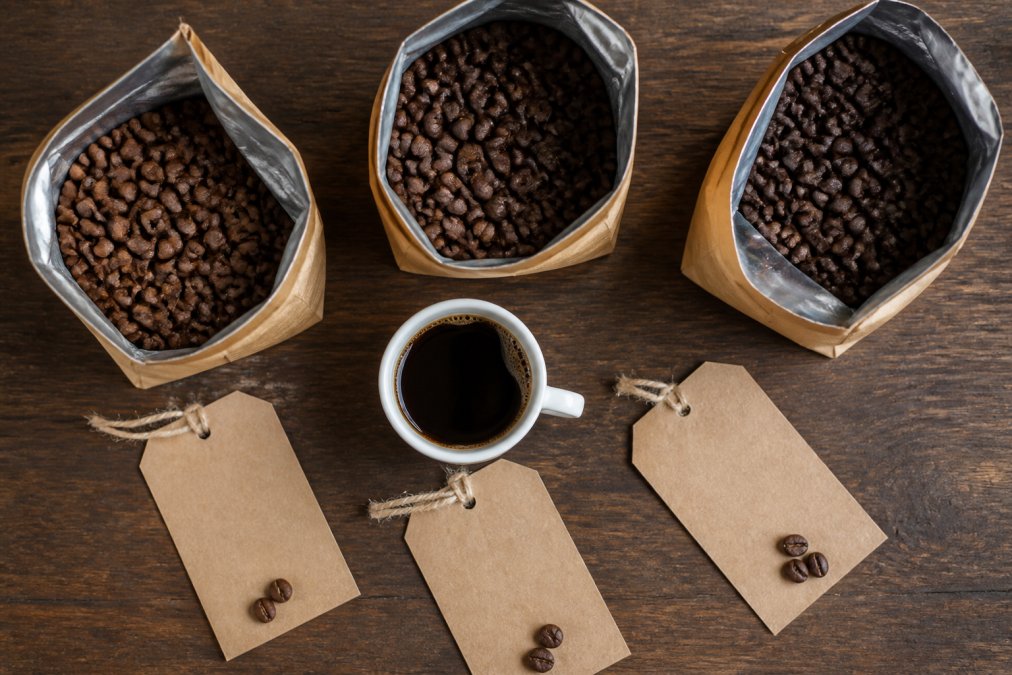
African Coffees
African coffees are where single origin coffee becomes exciting. Ethiopia, the birthplace of coffee, produces beans with distinctive floral and fruity characteristics. Ethiopian Natural coffees show berry, blueberry, and wine-like notes with bright acidity. These coffees demand attention, they're complex and reward careful tasting.
Kenya produces coffees with pronounced acidity, medium body, and blackcurrant or berry notes. Kenyan coffees are vibrant and distinctive.
Rwanda and Burundi have emerged as quality producers in recent years, offering coffees with fruity, floral characteristics and bright acidity.
African coffees are generally higher in acidity and more complex than Latin American coffees. They're ideal if you're developing your palate and want to experience dramatic differences between origins.
Asian and Pacific Coffees
Indonesian coffees, particularly from Sumatra and Java, show full body, low acidity, and earthy characteristics. These coffees often display herbal or spice notes. Bali Blue from Venro Coffee Co. represents this profile, grown on volcanic slopes with distinctive mineral and earthy notes.

Vietnamese coffees are typically robusta (a different coffee species) rather than arabica, and they're often used in blends. When you find specialty-grade Vietnamese arabica, it shows full body and earthy characteristics.
Papua New Guinea produces coffees with medium body and earthy, spicy notes. These coffees are less common but offer distinctive flavor.
Asian coffees generally show lower acidity and fuller body than African coffees. They work well for those who prefer smooth, mellow cups.
Coffee Cupping Steps for Beginners
Coffee cupping is the standardized method professionals use to evaluate coffee. It's also the best way to train your palate and taste single origin coffee accurately. The process is simple, but the ritual matters, each step serves a purpose.
Step 1: Prepare Your Equipment
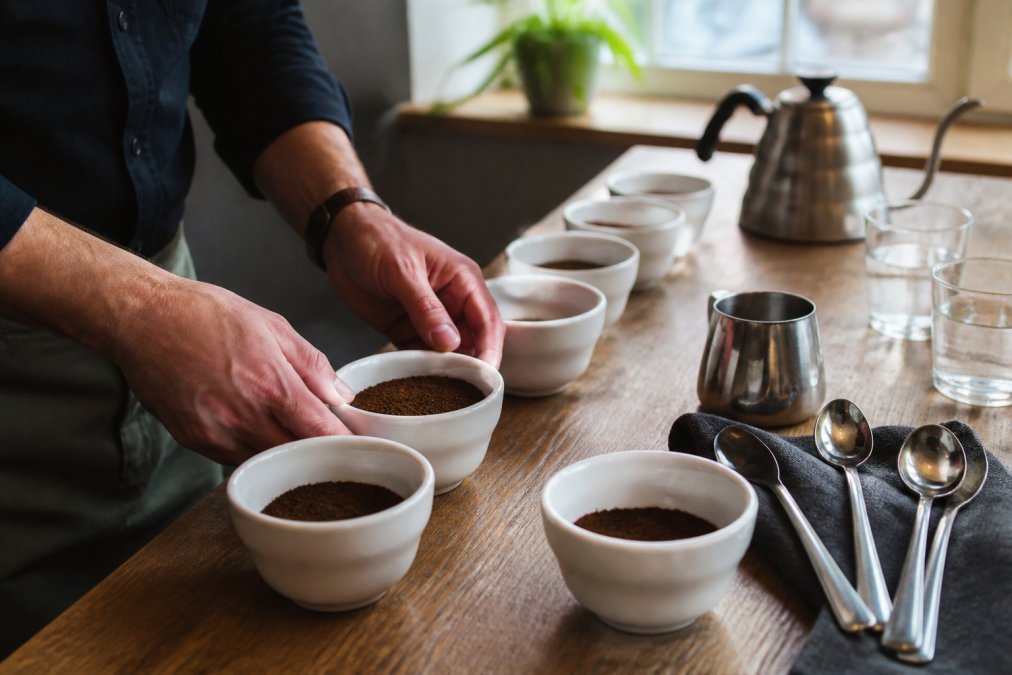
You need minimal equipment. Get several small white cups (6-8 ounces), a kettle that heats water to precise temperatures (195-205°F is ideal), a grinder, a spoon, and access to a flavor wheel. The white cups matter, they let you see the coffee's color clearly, which gives clues about roast level and extraction.
Grind your coffee right before cupping. Use a medium-fine grind, similar to what you'd use for pour-over. The grind size affects extraction, so consistency matters. Aim for roughly 0.37 ounces of coffee per 6 ounces of water, this ratio is standard in cupping.
Step 2: Grind and Smell the Dry Aroma
Place your ground coffee in the cup and smell it immediately. This is the dry aroma, the smell of the grounds before water touches them. Note what you experience. Does it smell fruity, floral, nutty, earthy? This initial smell gives your brain context for what's coming.
Take your time here. Smell multiple times. Your nose adapts quickly, so after 10-15 seconds, the aroma becomes less obvious. Come back to it.
Step 3: Pour Hot Water and Evaluate Aroma
Pour water heated to 195-205°F over the grounds. The water temperature matters, too hot and you over-extract, too cool and you under-extract. Immediately smell the aroma rising from the cup. This is the wet aroma, and it's often different from the dry aroma. The hot water releases volatile compounds that weren't present in the dry grounds.
Let the coffee steep for about 4 minutes. This gives the grounds time to fully hydrate and extract.
Step 4: Break the Crust and Taste
After 4 minutes, a crust of grounds will have formed on the surface. Use your spoon to break this crust by pushing grounds down into the liquid. Smell the aroma again, it intensifies as you break the crust. This is a critical moment in cupping.
Now taste. Use a spoon to slurp the coffee with air, which aerates it and spreads it across your palate. This technique matters, it helps you taste more fully than simply sipping. Note the flavor, acidity, body, and any specific tasting notes you experience.
Step 5: Cool and Continue Tasting
As the coffee cools, flavors change. Taste again at different temperatures. Cooler coffee often reveals different notes than hot coffee. This is valuable information. Some coffees taste great hot but become muddy as they cool. Others improve as they cool.
Continue tasting over 10-15 minutes as the cup gradually cools to room temperature. Document what you taste at each temperature. This practice trains your palate to recognize how temperature affects perception.
Developing Your Palate: Common Mistakes and Fixes
Most people who struggle with single origin coffee tasting make the same mistakes. Recognizing and fixing them accelerates your progress dramatically.
The biggest mistake is tasting without reference. You taste a coffee and think "that's good" or "that's bad," but you can't articulate why. The fix is simple: taste with the flavor wheel visible. Even if you don't use it every time, having it nearby trains your brain to recognize and name flavors. Within a few weeks, you'll start identifying notes automatically.
Another common error is brewing poorly. If your water is too hot, your grind is too fine, or your brew time is too long, you'll over-extract and taste bitterness that masks the coffee's actual flavor. The fix is dial in your brewing method first. Get a consistent, clean cup before you start analyzing tasting notes. If you're new to brewing, pour-over or French press are forgiving methods that work well for single origin coffee.
Many people taste too quickly. They take a sip and immediately swallow. Slow down. Hold the coffee in your mouth for a few seconds. Let it coat your palate. This gives your taste receptors time to register the flavors. Quick sips miss nuance.
Tasting on an empty stomach is another mistake. Your palate is more sensitive and more easily overwhelmed when you haven't eaten. Taste after a light breakfast or snack. You'll taste more clearly.
Finally, people often expect to taste exactly what the tasting notes describe. Coffee tasting is subjective. What tastes like "blueberry" to one person might taste like "berry" to another. The tasting notes are suggestions, not a checklist. Your job is to taste what you actually experience, then use the wheel to name it. Trust your palate, not the label.
Water Chemistry and Its Role in Tasting
Water is 98% of your coffee, yet it's the most overlooked variable in single origin tasting. Most guides mention water temperature and move on. The reality is far more complex: water mineral content, pH, chlorine, and hardness directly alter how you perceive acidity, sweetness, and body in your cup. Understanding water chemistry transforms tasting from guesswork into reproducible results.
Total Dissolved Solids (TDS) and Extraction
Water carries dissolved minerals, calcium, magnesium, sodium, potassium, measured in parts per million (ppm). This total is called Total Dissolved Solids (TDS). TDS affects extraction speed and flavor perception dramatically.
Water with very low TDS (under 50 ppm, like distilled water) extracts too quickly. The coffee dissolves rapidly, and you taste only the first, brightest compounds before the water becomes saturated. The result is thin, sour, one-dimensional coffee. A high-altitude Ethiopian natural that should taste complex and fruity becomes sharp and thin. You'll taste acidity without sweetness, brightness without body.
Water with moderate TDS (150-200 ppm) extracts at the ideal rate. The minerals slow extraction slightly, allowing more complex compounds to dissolve evenly. You taste the full range of flavors the coffee offers. This is why specialty coffee shops obsess over water: they know that 150 ppm mineral content is the sweet spot for revealing single origin complexity.
Water with very high TDS (over 300 ppm, common in hard-water areas) extracts too slowly. The minerals interfere with the dissolution of coffee solids, and you end up with under-extracted coffee that tastes flat, muddy, and bitter. A bright Colombian that should taste crisp and balanced becomes dull and harsh. You lose acidity and nuance.
If you live in a hard-water area and your single origin coffees taste flat or bitter, this is likely why. A simple water filter or a pitcher-based system that reduces mineral content will transform your tasting experience. You don't need expensive equipment; a basic carbon filter pitcher (around $25-40) removes excess minerals and chlorine.
Chlorine and Off-Flavors
Chlorine and chloramines, added to municipal water to kill bacteria, impart distinct off-flavors that mask coffee's subtle notes. If your tap water smells like a swimming pool, your coffee will too. This is especially problematic when tasting delicate, floral coffees like Ethiopian naturals, where you're hunting for specific fruit and flower notes. Chlorine drowns them out.
The fix is simple: filter your water. A basic activated carbon filter removes chlorine and chloramines within minutes. If you taste your tap water and notice a chemical smell, filtering is non-negotiable. Many people attribute flat or chemical-tasting coffee to poor beans when the real culprit is chlorinated water.
Water Temperature and Its Sensory Impact
Water temperature affects both extraction and how you perceive flavor. Coffee extracts best between 195-205°F. This range is narrow for a reason.
Water at 190°F or below under-extracts. You'll taste sourness, sharpness, and thinness. A naturally sweet Brazilian coffee becomes sour and thin. A balanced Colombian tastes one-dimensional. The acidity compounds dissolve first; the sweet, complex compounds that develop later never make it into your cup.
Water at 210°F or above over-extracts. You'll taste bitterness, harshness, and flatness. The same coffees become muddy and unpleasant. Over-extraction pulls out harsh tannins and burnt compounds that shouldn't be in the cup.
Temperature also affects how you perceive acidity and sweetness as you taste. Hot coffee (above 160°F) suppresses your ability to taste sweetness. This is why hot coffee often tastes more acidic than it actually is. As the coffee cools to around 140°F, sweetness becomes more apparent. By the time it reaches 100°F, you taste a completely different balance of flavors. This is why professional cuppers taste coffee at multiple temperatures: the same cup reveals different notes as it cools.
If you're serious about single origin tasting, invest in a simple digital thermometer (around $10-15). Dial in your brewing water to 200°F and taste your coffee at three temperatures: hot (160°F), warm (120°F), and cool (80°F). You'll discover that the coffee you thought was one-dimensional actually has layers that only reveal themselves as it cools.
pH and Acidity Perception
Water pH (acidity or alkalinity) influences how you perceive coffee acidity. Neutral water is pH 7. Most tap water ranges from 6.5 to 8.5 depending on your location.
Slightly acidic water (pH 6.5-7) tends to extract coffee's acidic compounds more readily, which can make already bright coffees taste sharper. If you live in an area with acidic water and you're tasting a high-acidity Ethiopian, the combination might feel overwhelming.
Slightly alkaline water (pH 7.5-8) extracts more slowly and can suppress acidity perception, making bright coffees taste muted. If you live in a hard-water, alkaline area and your African coffees taste flat, water pH is part of the problem.
You don't need to adjust pH manually unless you're competing in coffee competitions. But understanding this relationship helps explain why the same coffee tastes different in different locations. A coffee that tastes bright and complex in one city might taste flat in another, partly because of water chemistry differences.
Practical Water Setup for Tasting
You have three options:
Option 1: Filtered tap water. A basic pitcher filter (Brita, PUR) removes chlorine and some minerals. Cost: $25-40 for the pitcher, $5-10 per replacement filter. This is the minimum viable setup and works for most home tasters.
Option 2: Bottled water designed for coffee. Some specialty coffee companies sell mineralized water optimized for extraction (around 150 ppm TDS). Cost: $15-25 per gallon. This is ideal if you want reproducible results but impractical for daily brewing.
Option 3: Reverse osmosis with remineralization. A reverse osmosis system removes nearly all minerals, then a remineralization cartridge adds back the ideal amount. Cost: $150-300 for the system. This is overkill for home tasting but guarantees consistency.
Start with Option 1. If your tap water smells like chlorine or your coffees taste flat despite being fresh and well-brewed, upgrade to a pitcher filter. Most home tasters never need to go beyond this.
Troubleshooting: Why Your Coffee Tastes Wrong
If you're tasting single origin coffee and something feels off, water is often the culprit:
- Coffee tastes thin, sour, and one-dimensional: Your water likely has very low mineral content. Try a pitcher filter or switch to bottled water.
- Coffee tastes flat, muddy, or bitter: Your water likely has high mineral content or is alkaline. Use a pitcher filter designed for hard water.
- Coffee tastes like chemicals or has an off-flavor: Your water contains chlorine or chloramines. Filter immediately.
- Bright coffees taste muted; dark coffees taste harsh: Your water pH might be off. This is harder to fix without testing, but a pitcher filter often helps.
- The same coffee tastes different every time you brew it: Your water temperature is inconsistent. Use a thermometer and aim for 200°F.
Water chemistry is invisible until you understand it. Once you do, you'll realize that many "bad" coffees are actually victims of bad water. This knowledge alone will improve your tasting experience more than any other single factor.
Building Your Single Origin Coffee Collection
Start with variety. The best way to develop your palate is to taste coffees from different regions and processing methods. Venro Coffee Co.'s Single Origin Favorites Sample Pack offers exactly this, multiple origins in one purchase, so you can compare and contrast without committing to full bags of each.
Buy small quantities frequently rather than large quantities infrequently. Coffee is freshest between 5 and 30 days after roasting. A bag that sits in your pantry for 60 days tastes noticeably worse than a fresh bag. Ordering smaller amounts more often keeps your coffee fresh and gives you more opportunities to try new origins.
Keep notes as you taste. Write down what you taste, what the weather was like, what you ate before tasting, how you brewed it. Over time, patterns emerge. You'll notice which origins you prefer, which processing methods appeal to you, which brewing methods bring out the best in specific coffees.
Start with forgiving coffees. Brazilian coffees, particularly Santos, are reliable and approachable. They work with most brewing methods and water quality. Once you've developed a baseline understanding with these, branch into more challenging origins like Ethiopian naturals or Kenyan coffees.
Rotate through your collection. Don't buy five bags of the same coffee. Buy one bag each of five different origins. Taste them side by side. The comparison reveals flavor nuances that tasting them separately would miss.
Single origin coffee tasting is learnable. It's not a mysterious skill reserved for professionals, it's a systematic process anyone can master with practice. The foundation is fresh beans, proper brewing, and deliberate tasting with reference tools. At Venro Coffee Co., we've built our entire business around the belief that coffee lovers deserve access to exceptional single origins roasted fresh and delivered to your door. Start with our Single Origin Favorites Sample Pack, which gives you multiple origins to compare. Taste methodically, keep notes, and watch your palate develop over weeks. Shop Coffee and begin your single origin journey today.
Frequently Asked Questions
What is the difference between single origin and blended coffee?
Single origin coffee comes from one specific geographic region, farm, or lot, allowing you to taste the unique terroir and characteristics of that location. Blended coffees combine beans from multiple origins to create a consistent flavor profile. Single origin coffees offer complexity and variability that reflect their specific altitude, climate, and processing method, while blends are crafted for balance and repeatability.
How do I know if my single origin coffee beans are fresh?
Fresh coffee beans should have a glossy appearance and release a strong aroma when you open the bag. Check the roast date on the packaging, beans are freshest within 2-4 weeks of roasting. Avoid beans that look dull, oily (unless they're a dark roast), or lack aroma. When you grind fresh beans, they should produce a vibrant smell. Stale beans grind more easily and smell flat or musty.
What equipment do I need to start tasting coffee like a professional?
You need white cupping bowls (to see the coffee's true color), a gooseneck kettle for precise pouring, a scale to measure beans and water accurately, a grinder, a spoon for slurping, and hot water around 200°F. A notebook to record tasting notes and a flavor wheel reference chart are helpful. You don't need expensive equipment, many home tasters start with basic bowls and a standard kettle and develop their skills from there.
How does altitude affect the taste of single origin coffee?
Higher altitude coffees (above 5,000 feet) grow more slowly due to cooler temperatures, allowing beans to develop more complex sugars and acids. This creates brighter, more nuanced flavors with higher acidity. Lower altitude coffees develop faster and typically have fuller body, lower acidity, and heavier, earthier notes. Altitude is one of the most significant factors in determining a coffee's flavor profile and mouthfeel.
What are common coffee tasting notes, and what do they actually mean?
Tasting notes describe the flavors you detect in the cup. Fruity notes (berry, citrus, stone fruit) come from the coffee's origin and processing. Nutty and cocoa notes indicate roast level and terroir. Floral notes suggest higher altitude African coffees. Earthy notes reflect lower altitude or natural processing. These aren't added flavors, they're naturally present compounds that develop during growing, processing, and roasting. Using a flavor wheel helps you identify these notes systematically.
Can I really taste the difference in single origin coffees, or is it just marketing?
Yes, you can absolutely taste real differences, though it takes practice. Start by comparing coffees side-by-side using the cupping method. Taste one origin, then immediately taste another and note the contrasts in body, acidity, aroma, and flavor. After a few tastings, your palate develops the vocabulary to identify these differences consistently. The key is systematic tasting, rushing through coffee won't reveal the subtleties. Many home tasters develop this skill within weeks of intentional practice.
What does the 15-15-15 rule mean in coffee tasting?
The 15-15-15 rule is a guideline for coffee cupping proportions: use 15 grams of coffee per 250 milliliters of water, and wait 15 minutes after brewing before tasting. This creates a standardized ratio that allows you to compare coffees fairly. The waiting period lets the coffee cool to an optimal tasting temperature (around 160°F) where flavors are most distinct. This consistency helps you isolate the coffee's actual characteristics rather than being influenced by temperature variables.
How do processing methods change the flavor of single origin coffee?
Washed (wet) process coffees have cleaner, brighter flavors with higher acidity because water removes the fruit before drying. Natural (dry) process coffees ferment with the fruit still attached, creating fruity, wine-like, and sometimes funky flavors with heavier body. Honey process coffees fall in between, with some fruit contact creating balanced sweetness and medium acidity. The processing method is often as important as the origin in determining your final cup's character.
This article was written using GrandRanker