



How to Customize Coffee Subscription Boxes: A Step-by-Step Guide
Table of Contents
- What You'll Need Before Customizing Your Coffee Subscription
- Step 1: How to Customize Coffee Subscription Boxes by Selecting Your Roast Level
- Step 2: Choose Your Grind Size Based on Your Brewing Method
- Step 3: Define Your Coffee Bean Preferences and Flavor Profile
- Step 4: Set Your Delivery Frequency and Quantity
- Understanding Personalized Coffee Subscription Services
- Using a Coffee Subscription Quiz to Refine Your Choices
- Step 5: Customize Your Coffee Subscription Packaging and Sustainability
- Cost-Benefit Analysis: Comparing Subscription Tiers and Customization Options
- Managing Seasonal Rotation and Adjusting Your Subscription Over Time
Last Updated: July 31, 2026
Learning how to customize coffee subscription boxes transforms your daily ritual into a curated experience tailored to your exact preferences. At Venro Coffee Co., we've helped thousands of coffee enthusiasts dial in their perfect subscription by mastering the key customization levers: roast level, grind size, flavor profile, delivery frequency, and packaging preferences.
What You'll Need Before Customizing Your Coffee Subscription
Before adjusting preferences, gather three pieces of information: your brewing method (French press, pour-over, espresso machine, automatic drip, or cold brew), your consumption rate (cups per day or bags per month), and your flavor preferences (bright and acidic or smooth and full-bodied).
Understanding these basics prevents the most common subscription mistake: ordering coffee faster than you can drink it. Fresh-roasted beans stay at peak flavor for about two weeks after roasting, then begin losing complexity.
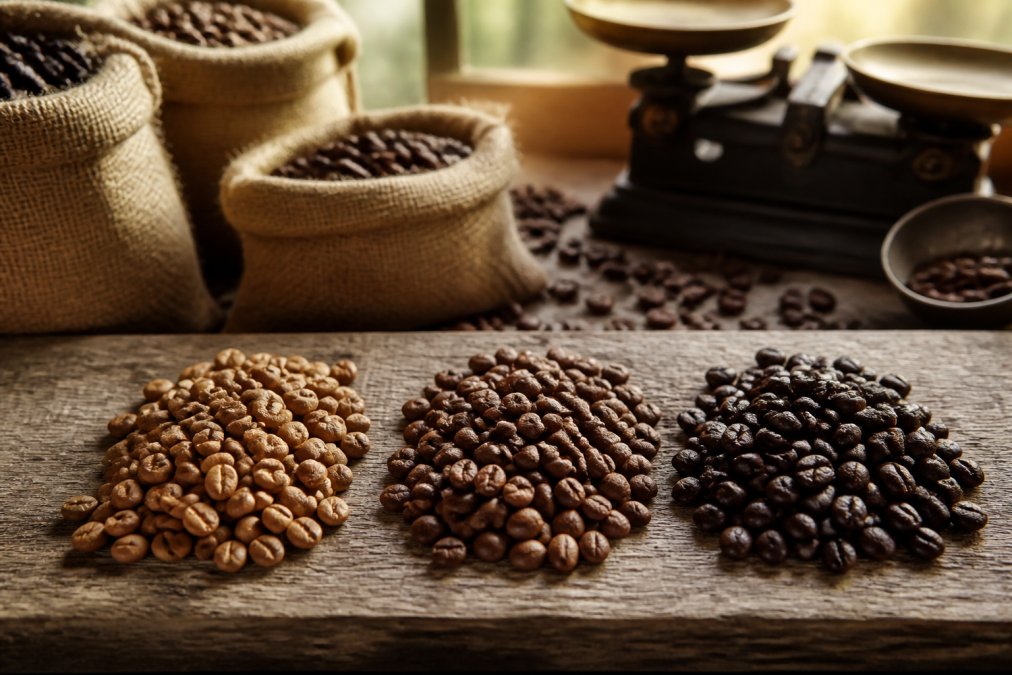
Step 1: How to Customize Coffee Subscription Boxes by Selecting Your Roast Level
Roast level determines the flavor profile and body of every coffee you receive. Light roasts preserve the origin's natural characteristics, terroir, acidity, and fruit or floral notes. Medium roasts balance origin character with roast-developed flavors like chocolate and caramel. Dark roasts emphasize roasted notes: bold, smoky, low-acid cups with heavier body.
A common misconception is that darker roasts contain more caffeine. They don't. Light and dark roasts from the same bean have nearly identical caffeine content.
Consider your brewing method when choosing roast preference. French press and pour-over highlight the nuances of light and medium roasts. Espresso machines and automatic drip makers often perform better with medium and dark roasts. Cold brew works with any roast level but mellows the brightness of light roasts.
Venro Coffee Co. offers roast levels across all selections. If unsure where to start, the Best Sellers Coffee Sample Pack includes a range of roast profiles.

Understanding roast profiles and flavor development
A light roast is removed just after the first crack (around 350-400°F), when origin characteristics still dominate. Light roasts have higher acidity and reveal bean density and origin most clearly.
Medium roasts continue past the first crack to 410-420°F, where roast-developed flavors like chocolate, nuts, and caramel emerge while origin characteristics remain present. Most specialty coffee drinkers find medium roasts to be the sweet spot.
Dark roasts reach 430°F or beyond, where roasted flavors dominate. You'll taste smoke, char, and dark chocolate with lower acidity and heavier body.
Step 2: Choose Your Grind Size Based on Your Brewing Method
Grind size directly affects extraction: smaller grinds extract faster, larger grinds extract slower. Your brewing method determines the ideal grind size because each has a specific contact time between water and grounds.
French press brewing takes about four minutes and needs a coarse grind. Automatic drip machines brew in five to eight minutes and need a medium grind. Pour-over takes two to four minutes and needs medium-fine grinds. Espresso machines require a very fine grind.
When customizing your subscription, specify your grind size preference. Most roasters offer whole bean, pre-ground, and sometimes multiple grind options. Whole bean is always fresher because grinding exposes the interior to oxygen, which begins oxidizing oils immediately.
If you grind at home, invest in a burr grinder rather than a blade grinder for uniform grind sizes and better-tasting coffee.
Matching grind size to extraction and bean density
Bean density affects how quickly water penetrates during brewing. High-altitude beans (above 5,000 feet) are denser and require slightly finer grinds than low-altitude beans.
Extraction is the process of dissolving soluble compounds from grounds into water. Under-extracted coffee tastes sour and thin. Over-extracted coffee tastes bitter and flat. A change of just one grind setting can shift your extraction significantly.
When ordering pre-ground, specify your brewing method so the roaster grinds to the right particle size. When ordering whole bean, you control the grind at home and have more flexibility to experiment.
Step 3: Define Your Coffee Bean Preferences and Flavor Profile
Flavor profile customization lets you select specific origins and blends based on tasting notes that match your palate. A single-origin from Ethiopia tastes completely different from a single-origin from Peru, even if both are medium roasts.
Single-origin coffees come from one country, region, or farm and showcase that terroir's unique characteristics. An Ethiopian Yirgacheffe might taste like blueberry and jasmine, while a Kenyan AA might taste like black currant and wine. Single-origins are excellent for learning your preferences.
Blends combine beans from multiple origins to create a flavor profile that wouldn't exist naturally. Blends are often more forgiving than single-origins.
When customizing your subscription, choose between single-origin and blend preferences, or request a mix. Many subscribers alternate: one month of single-origins to explore, the next month of a reliable blend they love.
Single-origin vs. blend selections and tasting notes
Tasting notes identify compounds in beans that your palate perceives as similar to those flavors. Cupping is the formal tasting process roasters use to develop these notes, evaluating aroma, flavor, body, acidity, and aftertaste.
Single-origin selections let you explore how geography, altitude, processing method, and harvest timing create flavor differences. A washed Ethiopian bean tastes different from a natural-process Ethiopian bean from the same region.
Blends are often named by intended use: a "breakfast blend" is usually medium roast with lower acidity and heavier body. An "espresso blend" is engineered for espresso machines and develops sweetness and body under high-pressure extraction.
The Single Origin Favorites Sample Pack from Venro Coffee Co. lets you taste four different single-origins in small quantities, ideal for dialing in preferences before committing to full-size bags.

Step 4: Set Your Delivery Frequency and Quantity
Delivery frequency must match your consumption rate so beans arrive fresh and you're not overwhelmed with inventory. Most roasters recommend receiving fresh beans at least every two weeks.
If you drink two cups per day, you'll consume one 12-ounce bag every five to seven days. Calculate your consumption by counting how many days one bag lasts, then choose a delivery frequency that arrives before you run out but doesn't leave you with months of inventory.
Most services, including Venro Coffee Co., let you pause, skip, or adjust your next shipment at any time. This flexibility is what separates good subscription services from ones that feel like inescapable commitments.
Balancing freshness with storage and shipping interval
Fresh-roasted beans are at peak flavor 5-14 days after roasting. Beans need a few days to degas before they're ideal for brewing. After day 14, the coffee is still excellent but begins losing complexity.
Roast-to-order roasters roast your beans right before shipping, so beans arrive 5-7 days post-roast, ideal timing.
Storage affects freshness. Keep beans in an airtight container away from heat, light, and moisture. A sealed bag with a one-way valve works well. A cool, dark pantry at 50-70°F is ideal. Under these conditions, beans stay good for about a month.
If you receive a shipment and can't drink it all before the next arrives, you're over-ordering. If you run out before the next shipment, you're under-ordering.
Understanding Personalized Coffee Subscription Services
Personalized subscription services track your preferences over time and recommend new coffees you'll likely enjoy. The best services combine your explicit preferences (roast level and origin you select) with implicit preferences (which coffees you rate highly, which you skip).
The technology is straightforward: the service tracks what you order, rate, and purchase, then suggests similar coffees. This works because coffee preferences are predictable.
How subscription management tools let you adjust preferences
Most services provide a dashboard where you can manage upcoming shipments. You can see what's scheduled to ship, adjust the roast level or origin for the next delivery, change quantity, skip a shipment, or pause entirely. Some let you rate coffees, which feeds into their recommendation algorithm.
The best tools let you set preferences once and have them apply to multiple future shipments. Venro Coffee Co.'s approach includes detailed tasting notes and origin information for every coffee, letting you make informed choices. Some services let you create multiple subscription profiles if you have different preferences.
Using a Coffee Subscription Quiz to Refine Your Choices
Many roasters offer a preference quiz when you sign up. These ask about your brewing method, current preferences, flavor notes you enjoy, and roast preferences. The quiz results generate an initial recommendation, which you can customize.
The quiz approach forces you to articulate preferences before experiencing the service. A question like "Do you prefer bright, acidic coffees or smooth, low-acid coffees?" is more useful than asking "What roast level do you want?" because it maps to actual flavor experience.
After receiving your first shipment, use that experience to adjust your subscription settings. The quiz is a starting point, not a permanent commitment.
Step 5: Customize Your Coffee Subscription Packaging and Sustainability
Packaging affects both freshness and environmental impact. Whole bean coffee needs protection from light, oxygen, and moisture. Most specialty roasters use kraft paper bags with a one-way degassing valve. These bags are lightweight, protect the coffee adequately, and are recyclable. Some roasters use compostable bags made from plant-based materials.
Consider whether you want whole bean or pre-ground. Whole bean is always fresher and stays good longer. Pre-ground is more convenient if you don't have a grinder. The trade-off is freshness: pre-ground begins losing flavor within hours of grinding.
Whole bean vs. pre-ground and eco-friendly options
Whole bean coffee stays fresh 4-6 weeks if stored properly. Pre-ground coffee stays fresh 1-2 weeks under the same conditions. If ordering every two weeks, whole bean makes sense. If ordering monthly or less frequently, pre-ground might stale before you drink it.
Some roasters offer multiple grind options within a single order, useful if you have multiple brewing methods. You might order half the bag as whole bean (for weekend pour-over) and half pre-ground (for weekday automatic drip).
Sustainability comes down to material choices and shipping efficiency. Compostable bags are better than single-use plastic but only if you have access to industrial composting. Recyclable kraft paper is good because it's widely recyclable and lightweight. Reusable containers are excellent if you order frequently and can return them.
Venro Coffee Co. focuses on freshness and quality, with packaging designed to protect the coffee while minimizing waste.
Cost-Benefit Analysis: Comparing Subscription Tiers and Customization Options
Coffee subscription pricing varies widely. Budget roasters charge $10-15 per bag. Mid-tier specialty roasters typically charge $14-18 per bag. Premium roasters with rare origins can charge $20-30 per bag.
Compare subscription costs to what you'd spend elsewhere. A specialty café charges $5-7 per cup, translating to $60-84 per pound. A subscription at $15 per 12-ounce bag costs roughly $20 per pound, significant savings for regular café customers.
| Subscription Tier | Price Per Bag | Best For | Customization Options |
|---|---|---|---|
| Budget | $10-13 | Price-conscious drinkers | Limited roast/origin choices |
| Mid-Tier Specialty | $14-18 | Most coffee enthusiasts | Full roast level, origin, grind options |
| Premium | $20-30 | Collectors of rare lots | Exclusive origins, small-batch roasts |
| Sampler/Trial | $24.99 | New subscribers exploring | Multiple small bags to test preferences |
Venro Coffee Co. offers the [Best Sellers Coffee Sample Pack](https://www.venrocoffee.com/products/best-sellers-sample-pack-6bean-cowboy-breakfast-peru-mexico-bali), Single Origin Favorites Sample Pack, and Flavored Coffee Sample Pack at $24.99 each, letting new subscribers try multiple roasts and origins before committing to full-size bags.

Managing Seasonal Rotation and Adjusting Your Subscription Over Time
Coffee is seasonal. Certain origins are harvested at specific times, so available coffees in December differ from those in July. Good subscription services rotate offerings seasonally, introducing new origins as they're harvested.
Most services let you approve or adjust each upcoming shipment. If your scheduled coffee is a Kenyan AA and you've had three Kenyan coffees in a row, you can request something different. This flexibility prevents subscription fatigue.
Seasonal rotation helps you discover new favorite origins. Ethiopian beans arrive in fall and winter. Brazilian beans peak May-September. Central American beans arrive in winter and spring.
Using pause, auto-renew, and curated selection features
Pause is the most important feature of a flexible subscription. If traveling, overstocked, or needing a break, you can pause without canceling. When ready to resume, simply un-pause.
Auto-renew is the default for most subscriptions: your payment method is charged and a shipment is sent on your scheduled date unless you manually skip or pause. Always verify your auto-renew settings and know how to pause or cancel if needed.
Curated selection is when the roaster chooses the coffee based on your preferences and history. Instead of selecting a specific origin and roast for each shipment, you tell the service "surprise me with something you think I'll like" and they choose. Many subscribers use a hybrid approach: letting the roaster curate most shipments but overriding occasionally.
Troubleshooting Common Subscription Issues
Even with careful customization, issues can arise. The most common problem is receiving coffee that tastes different than expected, usually because the coffee was stale, the grind size was wrong, or the brew technique needs adjustment.
If your coffee tastes flat or sour, check the roast date. If older than three weeks, the coffee has begun oxidizing. Contact the roaster and request a replacement; reputable roasters stand behind their freshness guarantee. If the roast date is recent but the coffee tastes off, try adjusting your grind or brewing technique.
Another common issue is receiving the wrong grind or roast level. Verify your order confirmation before the shipment ships. Most services let you make changes up to 24-48 hours before roasting and shipping.
Some subscribers struggle with subscription management, forgetting to pause before unwanted shipments. Set a calendar reminder for two days before your scheduled shipment.
Customizing coffee subscription boxes is the path from passive consumption to active participation in your coffee experience. You're not accepting whatever arrives; you're directing the roaster to send exactly what you want, when you want it, in the form you prefer.
Venro Coffee Co. makes this customization straightforward with transparent tasting notes, flexible subscription management, and sample packs that let you explore before committing to full-size bags. Start with the [Single Origin Favorites Sample Pack](https://www.venrocoffee.com/products/single-origin-favorites-sample-pack) to discover which origins and roast levels match your palate, then build a subscription that delivers exactly what you're craving. Your morning ritual will thank you.
Frequently Asked Questions
What variables can I personalize when customizing a coffee subscription?
You can customize roast level (light, medium, dark), grind size (whole bean, pre-ground, espresso), flavor profile (single-origin or blend), tasting notes (acidity, body, aftertaste), delivery frequency, and quantity. Many services also let you adjust packaging preferences, pause subscriptions, and manage auto-renew settings. Some offer curated selections based on your brewing method and taste preferences.
How does a coffee subscription quiz help me customize my preferences?
A coffee subscription quiz asks about your brewing method, roast preferences, flavor notes you enjoy, and past coffee experiences. Your responses guide the roastery to recommend personalized plans matching your palate. This helps avoid mismatches and ensures you receive beans with tasting notes and origin profiles aligned with your taste. It's especially useful if you're new to specialty coffee and unsure about single-origin vs. blend choices.
Can I change my coffee subscription preferences after I've started?
Yes. Most personalized coffee subscription services allow you to adjust your preferences through subscription management tools. You can modify roast level, grind size, delivery frequency, and shipping interval between deliveries. You can also pause your subscription temporarily or skip shipments if you have excess inventory, ensuring freshness and preventing waste.
What's the difference between whole bean and pre-ground coffee subscription packaging?
Whole bean preserves freshness longer because the beans' surface area isn't exposed to oxygen; they maintain optimal flavor for 2-4 weeks post-roast. Pre-ground coffee is convenient but loses freshness faster, typically 1-2 weeks. For roast-to-order subscriptions, whole bean maximizes the benefit of fresh-roasted beans. Pre-ground suits busy professionals or those without grinders. Choose based on your brewing method and freshness priorities.
This article was written using GrandRanker