



Is Coffee Subscription Worth the Cost in 2026?
Table of Contents
- Is Coffee Subscription Worth the Cost? Breaking Down the Real Numbers
- Coffee Subscription vs Grocery Store Beans: Quality and Freshness
- Best Coffee Subscription Services in 2026 and What They Offer
- How Much Coffee Should You Order Per Month?
- Hidden Costs: What Subscriptions Don't Tell You Upfront
- The Convenience Factor: Time and Freshness Benefits
- Storage, Waste, and Environmental Considerations
- Cancellation Friction and Commitment Concerns
- Should You Start a Coffee Subscription? The Decision Framework
- Conclusion
Last Updated: August 9, 2026
Is Coffee Subscription Worth the Cost? Breaking Down the Real Numbers
Whether a coffee subscription makes financial sense depends on your consumption habits, brewing preferences, and current spending. The real question is whether the premium for freshness and variety delivers value compared to your current routine.
Most coffee drinkers fall into one of three camps: those buying pre-ground grocery store bags, those visiting local cafes daily, and those already buying specialty beans online. A subscription might save money while improving quality for the first group, make financial sense for the second, or simply offer convenience for the third.
According to the National Coffee Association's 2026 consumer research, home coffee brewing accounts for the majority of coffee consumption in America, with specialty coffee subscriptions growing as a category. A typical specialty coffee subscription costs $15-$25 per bag, delivered monthly or on a custom schedule. Compare that to daily cafe visits at $5-$7 per cup ($150-$210 monthly) or grocery store coffee. Home brewing through a subscription typically costs $0.75-$1.50 per cup, making the financial case strongest when you're currently spending money on daily cafe visits.
Freshness matters more than most realize. Coffee loses flavor compounds within weeks of roasting. Grocery store beans often sit on shelves for months. Subscription services roast and ship within days, delivering genuinely fresher beans than what's available locally in most cases. This freshness difference translates directly to taste.
The real decision involves three factors: your current spending, commitment to quality, and willingness to manage a subscription. Below, we'll walk through each and show you how to calculate whether a subscription makes sense for your situation.
Coffee Subscription vs Grocery Store Beans: Quality and Freshness
Specialty coffee subscriptions deliver beans roasted within one to two weeks of arrival. Grocery store coffee often sits in warehouses and on shelves for months before purchase. This difference directly impacts flavor, acidity, and complexity.
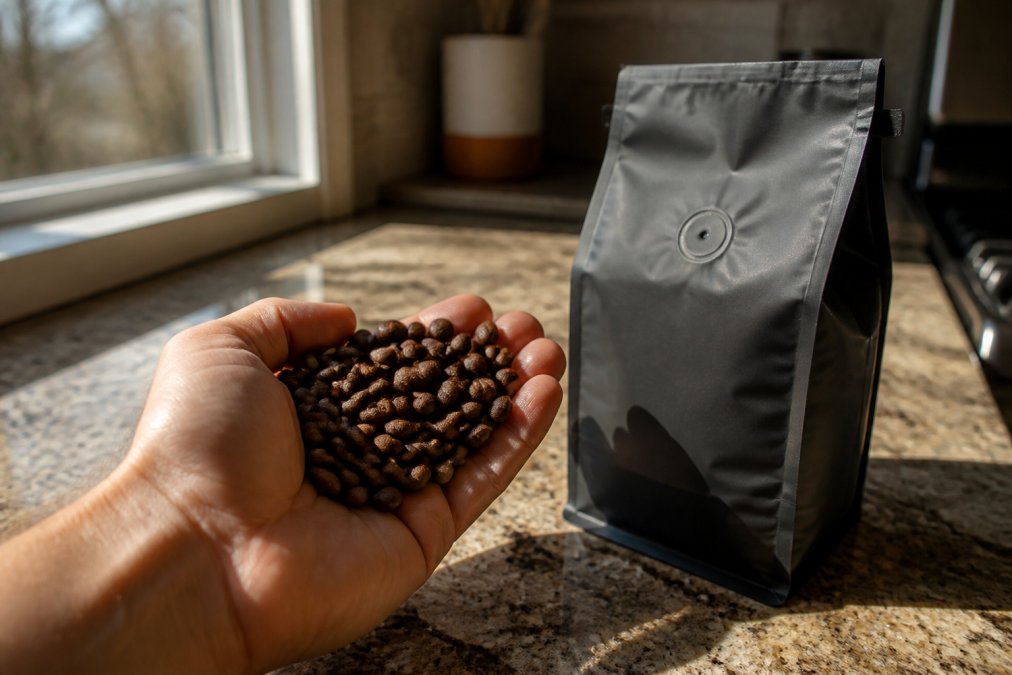
When you open a subscription bag, you're often tasting beans roasted within the past two weeks. The flavor profile is bright, acidity balanced, and subtle notes come through clearly. Grocery store beans have already begun losing volatile compounds that create flavor complexity. Most people notice this difference immediately in their first brew.
Sourcing represents another significant gap. Specialty subscription services typically work directly with roasters who source from specific farms or regions, with details like "single-origin Ethiopian Yirgacheffe from the Gedeo zone." Grocery store coffee usually lists only the country of origin. This transparency connects you to the actual source and highlights specific characteristics.
Variety available through subscriptions dwarfs grocery store offerings. Most supermarkets stock five to eight coffee options. Trade Coffee provides access to over 450 different coffees from dozens of roasters, allowing you to explore light roasts one month, try a new single-origin the next, and experiment with blends after that.
Specialty coffee costs more per pound than grocery store coffee, sometimes two to three times as much. However, the flavor intensity means you might use slightly less per cup and get more satisfaction. When you factor in freshness and actually tasting what the roaster intended, the value proposition shifts significantly.
Best Coffee Subscription Services in 2026 and What They Offer
The subscription coffee landscape has matured into distinct service models, each with different strengths.
Venro Coffee Co.: Freshly Roasted Specialty Options
Venro Coffee Co. offers both traditional whole bean subscriptions and convenient single-serve capsule options. Their approach centers on freshly roasted specialty beans combined with artisan teas, delivered directly to your door.
The core offering includes single-origin coffees, signature blends, and flavored roasts. Their 12-pack single-serve capsules at $19.99 target people who want specialty coffee without a grinder or brewing equipment. The Best Sellers Sample Pack includes six varieties at $24.99, providing an affordable entry point. The Flavored Coffee Sample Pack at $24.99 offers six flavor options for those who enjoy flavored coffee.

Venro's strength is integrating convenience options alongside premium whole beans. If you travel frequently or have inconsistent mornings, single-serve capsules guarantee consistency and speed. Sample packs help you discover preferences without committing to full-size bags.
Trade Coffee: Personalized Variety at Scale
Trade Coffee operates on a matching algorithm that learns your preferences through a detailed tasting quiz. You rate coffees, and their system recommends options from over 450 coffees sourced from 55+ roasters nationwide.
Starting at $16.99 per bag, Trade Coffee positions itself as the personalization-first option. The value proposition is discovery across the entire specialty coffee landscape. Delivery frequency is flexible: weekly, bi-weekly, or monthly. Free shipping on all subscription orders removes hidden costs.
The downside is limited control if you opt for curator picks, though you can manage your "Brew Queue" to select upcoming coffees or adjust preferences to guide recommendations.
Atlas Coffee Club: Single-Origin Discovery
Atlas Coffee Club takes a themed approach. Each month, you receive a single-origin coffee from a different country, accompanied by a postcard and detailed tasting notes. Starting at $13 per shipment, it's one of the most affordable specialty options.
The appeal is travel-focused storytelling. You're getting context about where coffee comes from, how it's grown, and what to expect in your cup. Bag sizes range from 6 to 24 ounces, and you can choose grind size. Delivery frequency adjusts from every two weeks to monthly.
The limitation is one coffee per month. However, for adventurous drinkers who want structure and storytelling, this model works well.
Blue Bottle Coffee: Premium Direct Roasting
Blue Bottle roasts and ships within 48 hours, guaranteeing exceptional freshness. Starting at $11 per shipment, they offer single-origin, blend, and espresso assortments. All subscriptions include free shipping and 10% off add-on purchases.
Blue Bottle's strength is consistency and roasting-to-shipment speed. The weakness is limited variety compared to broader marketplaces.
| Service | Starting Price | Key Strength | Best For |
|---|---|---|---|
| Venro Coffee Co. | $19.99 (capsules), $24.99 (samples) | Fresh + convenience options | Those wanting both whole bean and single-serve |
| Trade Coffee | $16.99/bag | Personalized matching from 450+ coffees | Discovery-focused coffee enthusiasts |
| Atlas Coffee Club | $13/shipment | Themed single-origin discovery | Adventurous drinkers seeking storytelling |
| Blue Bottle Coffee | $11/shipment | Speed and consistency | Quality-focused buyers wanting simplicity |
How Much Coffee Should You Order Per Month?
The amount you should order depends on consumption frequency, storage capacity, and brewing method.
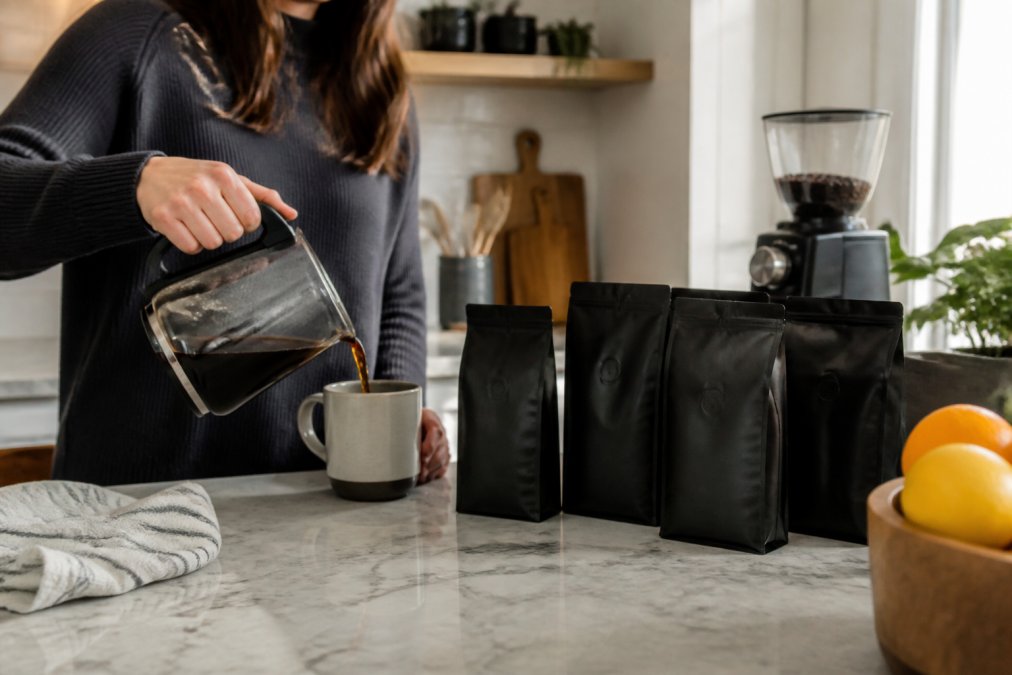
A typical 12-ounce bag yields approximately 12-15 cups depending on your brewing ratio. For someone drinking one cup daily, one bag monthly is insufficient. Two bags monthly covers regular consumption with a small buffer.
For two-cup-per-day drinkers or households brewing for others, four to five bags monthly maintains consistent supply without excessive stock. Subscription flexibility matters here; services allowing frequency or quantity adjustments help you avoid stockouts and waste.
Whole beans stay fresh for approximately three to four weeks after opening in an airtight container away from heat and light. Unopened bags remain fresh longer, but specialty coffee is optimized for consumption within weeks of roasting. Ordering more than two months' worth means later bags will be past peak freshness.
Start with one bag monthly for light drinkers (one cup daily), two bags for moderate consumption (two cups daily), and three to four bags for heavy consumption or household brewing. Adjust after your first month based on whether you ran out, had excess, or found timing perfect.
Hidden Costs: What Subscriptions Don't Tell You Upfront
Coffee subscription pricing appears straightforward until you factor in variables most marketing materials downplay.
Shipping costs represent the first variable. Many services advertise "free shipping on subscriptions," which is genuine. However, some charge shipping on individual add-on purchases. Over a year, occasional add-on purchases can add $30-$50 to your annual cost.
Equipment costs are often overlooked when transitioning to whole bean coffee. If you don't already own a grinder, a basic burr grinder costs $30-$50. A better grinder runs $75-$150. This is a one-time cost. Single-serve capsule options like Venro's eliminate this barrier.
Subscription commitment friction varies by service. Some make cancellation trivial; others require email confirmation or have policies favoring pausing over canceling. Services with high cancellation friction create resentment even if the coffee is excellent.
Flavor preference mismatches cost money. If a subscription sends coffee that doesn't match your taste, you've paid for something you won't enjoy. Understanding a service's return policy before committing prevents frustration. Services offering tasting quizzes or letting you choose upcoming coffees reduce this risk.
Bulk pricing often favors larger orders. Some subscriptions offer 10-15% discounts for three or six-month commitments upfront. This reduces per-bag cost but locks you in financially.
The Convenience Factor: Time and Freshness Benefits
The convenience argument extends beyond simply having coffee delivered. It encompasses discovery, experimentation, and consistent supply.
Time savings are measurable. Shopping for specialty coffee locally requires visiting specialty retailers, often inconveniently located. Online ordering and delivery eliminate this friction. For people already buying coffee online, subscriptions save the repetitive step of reordering.
Fresher coffee tastes better, which means your morning ritual becomes something you look forward to rather than something automatic. This psychological shift, from coffee as fuel to coffee as experience, is subtle but real.
Discovery represents a different convenience. Instead of researching which coffee to buy next, you receive curated selections or recommendations. Services like Trade Coffee or Atlas Coffee Club remove decision-making burden while maintaining variety.
Consistency is perhaps the most underrated convenience factor. You know you'll have good coffee available. You don't have to remember to order or worry about running out.
Storage, Waste, and Environmental Considerations
Coffee subscriptions create packaging waste. Each monthly shipment arrives in a box with padding. Over a year, 12 boxes accumulate. However, a single daily cafe visit involves a disposable cup, which totals 365 cups yearly. From a waste perspective, 12 boxes annually is substantially less. Many subscription services now use recyclable or compostable packaging.
Storage efficiency matters with subscriptions. Grocery store coffee comes in smaller quantities but requires frequent shopping trips. Subscription coffee arrives in concentrated batches, requiring more storage at once. For limited pantry space, adjust order frequency to smaller, more frequent shipments.
Fresher coffee means less waste from people discarding stale coffee. If a subscription means you finish your coffee instead of throwing it away, that's an environmental win.
Direct trade and fair trade sourcing represent environmental and ethical considerations subscriptions highlight more than grocery stores. Many subscription services emphasize sourcing practices, direct farmer relationships, sustainable farming, and fair compensation. If environmental impact influences your purchasing, subscription services typically offer more transparency and better sourcing than grocery store alternatives.
Cancellation Friction and Commitment Concerns
Before committing, understand each service's cancellation policy and actual friction level.
Most major coffee subscriptions make pausing or canceling straightforward, typically one click on your account page. However, some require phone calls or customer service contact, creating friction. Services making cancellation difficult often have higher churn rates, suggesting customers feel trapped.
If you're uncertain about preferences, start with a sample pack or one-time purchase before subscribing. Venro's sample packs at $24.99 let you explore flavors without subscription commitment. Trade Coffee's tasting quiz helps ensure recommendations match your preferences before your first shipment.

Some services require upfront payment for multiple months to access discounts, locking your money in. Others charge monthly, giving flexibility. If uncertain, monthly billing is safer despite potentially higher per-bag costs.
Before subscribing, verify: Can you cancel online or do you need to call? Is there a waiting period? Can you pause instead of canceling? Do they charge cancellation fees? These details matter more than coffee quality in determining whether a subscription feels like a commitment or a trap.
Should You Start a Coffee Subscription? The Decision Framework
The decision depends on answering three specific questions honestly.
Question 1: Are you currently spending money on coffee?
If you're not spending anything, a subscription adds a new expense rather than replacing an existing one. The financial case is weaker. If you're currently spending $5-7 daily on cafe coffee or $15-20 monthly on grocery store coffee, a subscription likely reduces or matches your spending while improving quality.
Question 2: Do you have the equipment and space to brew coffee at home?
If you have a grinder and brewing method, you're ready to subscribe. If not, factor in equipment costs ($30-150 for a grinder) plus the learning curve. Single-serve options like Venro's eliminate this barrier. If space is limited, adjust order frequency to smaller, more frequent shipments.
Question 3: Are you willing to experiment or do you have fixed preferences?
If you know exactly what you like, services like Blue Bottle work well. If you enjoy exploration, Trade Coffee or Atlas Coffee Club provide that. If uncertain, start with sample packs to understand preferences before committing.
If you're currently visiting cafes daily or buying grocery store coffee regularly, a specialty coffee subscription almost certainly saves money while improving quality. If you're not currently spending money on coffee, the subscription is discretionary. If considering it, start with a sample pack or one-time purchase to verify you'll enjoy the coffee before committing to recurring deliveries.

The convenience factor, having excellent coffee delivered automatically, has real value beyond cost. For busy professionals who value quality but don't want to research purchases repeatedly, that convenience justifies the premium.
Whether a coffee subscription is worth the cost depends entirely on your current spending, consumption habits, and what you value in your daily coffee ritual. If you're currently spending $5-7 daily at cafes or buying stale grocery store coffee, a specialty subscription delivers both cost savings and quality improvements. The freshness advantage alone, beans roasted within two weeks versus sitting on shelves for months, creates a noticeable taste difference.
Start with Venro Coffee Co. if you want freshly roasted specialty beans with the flexibility of single-serve capsules for busy mornings. Their sample packs let you explore different roasts and flavors before committing to a full subscription, and their direct-to-door delivery ensures freshness. Shop Coffee and experience the difference fresh specialty coffee makes in your morning ritual.
Frequently Asked Questions
Are coffee subscriptions actually cheaper than buying beans at the store?
It depends on what you're comparing. A specialty coffee subscription typically costs $13-$25 per bag, averaging around $15-$18. Premium grocery store specialty beans run $12-$20 per pound. Bulk subscriptions and multi-month commitments can lower per-cup costs to $0.50-$1.00, competitive with mid-range cafe prices. However, standard grocery store coffee costs $5-$10 per pound, making subscriptions more expensive if price alone drives your decision. The real value emerges when you factor in freshness, variety, and avoiding waste from stale beans.
How do I know if a coffee subscription matches my brewing method?
Most quality subscriptions offer customization by grind size (whole bean, espresso, French press, pour-over, Turkish) and roast profile (light, medium, dark). Before subscribing, confirm the service matches your equipment. If you use an espresso machine, choose a roaster that emphasizes espresso blends. For pour-over brewing, single-origin beans with tasting notes work better. Services like Trade Coffee and Driftaway include a tasting quiz to align recommendations with your brew method, while Venro Coffee Co. offers flexible options including single-serve capsules for those who prefer simplicity.
What happens to my subscription if I travel or want to pause delivery?
Most reputable subscriptions allow you to pause, skip shipments, or adjust delivery frequency without penalty. Services like Crema.co explicitly state 'no contracts; pause or cancel anytime.' However, some subscriptions charge shipping fees if you skip months or require a minimum order to maintain the subscription. Before committing, check the cancellation policy for hidden friction: some services make pausing easy online, while others require customer service contact. Venro Coffee Co. and other direct roasters typically offer flexible scheduling, so you can align deliveries with your consumption patterns.
Do specialty coffee subscriptions actually deliver fresher beans than what I find in stores?
Yes, in most cases. Specialty subscriptions roast to order or within days of shipment, ensuring beans are 1-7 days old when they arrive. Most grocery store coffee is roasted 4-12 weeks before purchase, losing flavor compounds and freshness. Single-origin beans from services like Atlas Coffee Club or Blue Bottle Coffee, roasted within 48 hours of shipping, taste noticeably brighter and more complex than shelf-stable supermarket options. However, freshness depends on storage after arrival: beans stay fresh for 2-4 weeks in an airtight container away from heat and light. If you brew within that window, subscription coffee will taste fresher than grocery store alternatives.
This article was written using GrandRanker