



Organic Loose Leaf Tea Subscription Box Review
Table of Contents
- What to Look for in a Loose Leaf Tea Subscription
- Benefits of Loose Leaf Tea Over Bags
- How to Brew Loose Leaf Tea for Maximum Flavor
- Tea Subscription Box Cost and Value Breakdown
- Venro Coffee Co. Tea Selection and Tasting Notes
- Storage and Freshness Longevity
- Sustainability and Ethical Sourcing Transparency
- Is a Loose Leaf Tea Subscription Worth It?
- Conclusion
Last Updated: August 24, 2026
What to Look for in a Loose Leaf Tea Subscription
A quality loose leaf tea subscription delivers more than convenience, it's your gateway to discovering teas that elevate your daily ritual. When evaluating a loose leaf tea subscription, focus on three core factors that separate exceptional services from mediocre ones: freshness standards, sourcing transparency, and the flexibility to customize what arrives at your door.
Freshness matters more than most people realize. Loose leaf tea degrades over time, losing flavor complexity and aromatic qualities. The best subscriptions prioritize rapid fulfillment and specify harvest dates on their packaging. You want teas roasted or processed within the last 3-6 months, not aged inventory sitting in warehouses (peer-reviewed research). This is where direct-to-consumer models have a real advantage over retail channels.
Freshness and Harvest Quality
The ideal loose leaf tea subscription emphasizes harvest date transparency and rapid delivery cycles. When you receive tea within 2-3 weeks of processing, you're tasting the tea as the producer intended, bright, aromatic, and full-bodied. Delayed shipments mean oxidation, moisture loss, and diminished flavor profiles.
Look for subscriptions that source directly from producers rather than through middlemen. Single-origin teas benefit most from this approach. A tea labeled "2026 Spring Harvest" tells you far more than vague descriptions like "premium quality." Venro Coffee Co. includes detailed tasting notes and brewing specifications with each selection, which signals attention to the product's peak flavor window.
Packaging also affects freshness longevity. Kraft paper pouches with one-way valves maintain tea quality better than clear containers. Opaque, airtight packaging protects against light degradation and moisture absorption, two enemies of loose leaf tea. The subscription should ship in climate-controlled conditions and include storage guidance so the tea stays fresh at home.
Organic Certification and Ethical Sourcing
Organic certification matters if pesticide residue concerns you, but it's not the only measure of responsible sourcing. Look beyond the "organic" label to understand where the tea originates and how producers operate. Transparency about supply chains builds confidence that your money supports fair wages and sustainable farming practices.
Ethical sourcing means producers receive compensation that covers living costs and supports community investment. Some subscriptions partner directly with tea gardens, cutting out intermediaries and ensuring more money reaches the farmers. Ask whether the subscription discloses their sourcing relationships or provides traceability information.
Venro Coffee Co.'s tea selection emphasizes carefully sourced ingredients with attention to producer relationships. Their organic herbal blends, like the Hibiscus Berry Tea featuring organic rosehips, orange peel, and rooibos, reflect a commitment to ingredient quality and responsible sourcing practices.

Customization and Subscription Flexibility
The best loose leaf tea subscriptions let you control what arrives each month. Rigid, fixed boxes frustrate tea drinkers who have preferences. You should be able to skip months without penalty, swap selections before shipment, or pause temporarily when your tea inventory builds up.
Customization goes beyond picking flavors. Some subscriptions let you adjust shipment frequency, monthly, every six weeks, or quarterly. Others offer different package sizes depending on consumption habits. The ability to cancel without fees or lengthy notice periods is essential. If a subscription feels locked-in, that's a red flag.
A comparison of subscription flexibility shows meaningful differences across providers:
| Feature | Ideal Standard | Why It Matters |
|---|---|---|
| Customization | Select teas before each shipment | Ensures you enjoy what arrives |
| Skip/Pause | Available without penalty | Prevents waste when inventory builds |
| Cancellation | Self-service, no notice period | Respects your changing preferences |
| Frequency Options | Monthly, bi-monthly, quarterly | Accommodates different consumption rates |
| Return Policy | 30-day satisfaction guarantee | Provides recourse if tea doesn't meet expectations |
Benefits of Loose Leaf Tea Over Bags
Loose leaf tea delivers superior flavor, freshness, and value compared to tea bags. The difference isn't subtle, it's immediately noticeable in your first cup.
Tea bags contain dust and fannings, the smallest particles left after whole leaves are sorted. These fragments brew quickly but lack the complexity of whole leaves. They oxidize faster, losing aromatic compounds that define quality teas. Whole loose leaves expand fully during steeping, releasing flavors gradually and evenly. This extended contact with hot water extracts the full spectrum of flavor compounds, tannins, and aromatics the tea producer intended.
The freshness advantage is equally important. Whole leaves resist oxidation better than broken particles. A loose leaf tea stored properly maintains peak flavor for 12-18 months (peer-reviewed research). Bagged teas degrade within 6-12 months because the increased surface area accelerates moisture loss and aromatic degradation.
Cost-per-cup analysis reveals another benefit. A single serving of quality loose leaf tea costs $0.50-$1.50, depending on the tea type and sourcing. Premium bagged teas cost $1-$3 per bag, and they're often lower quality. For regular drinkers, loose leaf subscriptions reduce per-cup costs while improving flavor.
Loose leaf brewing also supports sustainability. You eliminate plastic or paper waste from individual bags. Many subscriptions ship in compostable or recyclable packaging. The tea leaves themselves are fully compostable, creating zero waste in your brewing routine.
How to Brew Loose Leaf Tea for Maximum Flavor
Brewing loose leaf tea correctly transforms a good tea into an exceptional cup. Three variables control the outcome: water temperature, steep time, and leaf-to-water ratio.
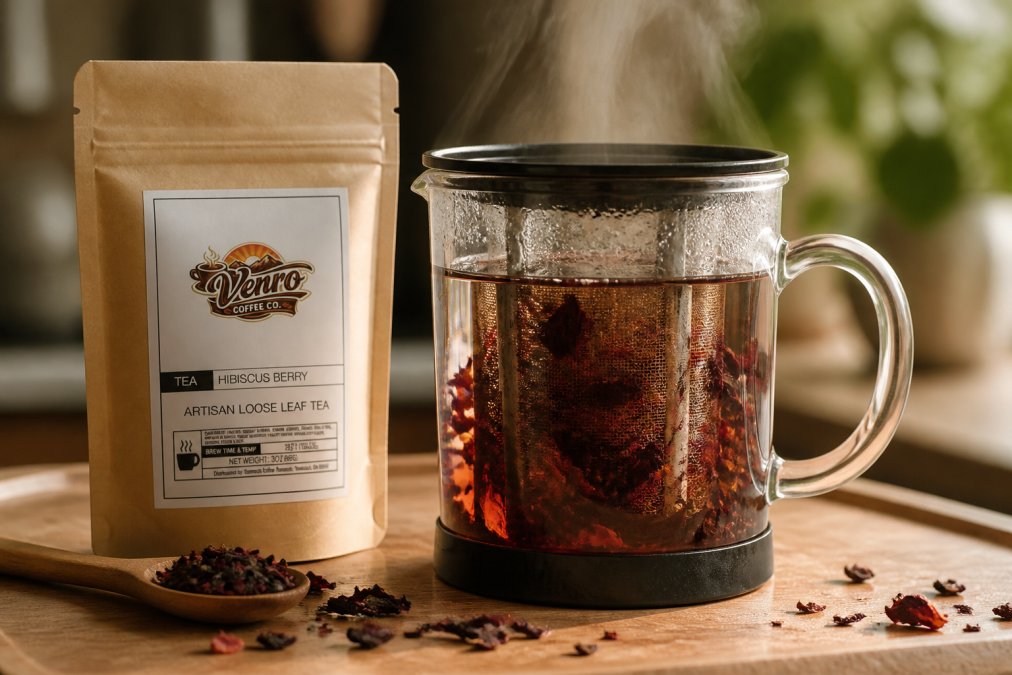
Temperature matters because different tea types contain different compounds that extract at different rates. Too-hot water over-extracts tannins, creating bitterness. Too-cool water under-extracts, producing weak, flat flavors. Steep time compounds this effect. A two-minute steep at the wrong temperature produces dramatically different results than a three-minute steep at the correct temperature.
Most loose leaf teas ship with brewing instructions. Follow them. These specifications come from the producer's expertise with that specific tea. Venro Coffee Co. includes precise temperature and steep time guidelines with each tea, for example, their Earl Grey recommends 195°F for 5-10 minutes, while the Hibiscus Berry Tea calls for 212°F for 5-10 minutes. These differences reflect each tea's unique composition.
Water Temperature and Steep Time by Tea Type
Black teas like English Breakfast and Masala Chai tolerate higher temperatures because their leaves are fully oxidized. Brew at 200-212°F for 5-10 minutes. The strong flavor profile develops fully at these temperatures without becoming harsh.
Green teas and delicate white teas require gentler treatment. Water between 160-180°F prevents over-extraction and preserves the subtle, floral notes that define these teas. Steep for 3-5 minutes. Moroccan Mint, a green tea-based blend, benefits from this lower temperature approach.

Herbal infusions like Peach Paradise and Hibiscus Berry Tea can handle boiling water (212°F) because they contain no tea leaves, just botanicals and flowers. These steep for 5-10 minutes without risk of bitterness. In fact, longer steeps intensify their flavor and maximize the antioxidant content.
Temperature precision matters most for premium loose leaf teas where subtle flavor differences are the point. A simple electric kettle with temperature control costs $30-$50 and removes guesswork from your brewing routine.
Measuring Leaf-to-Water Ratios
The standard ratio is one teaspoon of loose leaf tea per six ounces of water. This creates a medium-strength cup suitable for most palates. Adjust from there based on preference.
Prefer stronger tea? Use 1.5 teaspoons per six ounces. Like it lighter? Use 0.75 teaspoons per six ounces. The beauty of loose leaf brewing is flexibility. You control the intensity directly.
A simple kitchen scale removes all guesswork. Measure your tea leaves in grams, most loose leaf teas average 2-3 grams per six-ounce cup. This precision ensures consistency across multiple brewings. You'll know exactly why a cup tastes different if you change the ratio.
Tea Subscription Box Cost and Value Breakdown
A loose leaf tea subscription costs between $20-$40 per month for most quality services, though premium options exceed $50. Understanding what you're paying for separates good value from overpriced mediocrity.
Cost Per Ounce Comparison
Most loose leaf teas cost $15-$25 per ounce when purchased individually. A monthly subscription delivering 3-5 tea varieties at 2-3 ounces each represents $45-$125 in retail value. Subscriptions typically cost $25-$35 monthly, giving you a 30-50% discount versus buying the same teas separately.
Venro Coffee Co.'s individual tea selections are priced at $20.99 each. A subscription delivering four different teas monthly ($83.96 retail value) at a discounted subscription price provides clear savings. The actual value depends on whether you'd purchase those specific teas independently.
Cost per ounce varies by tea type. Common black teas and herbal blends cost less per ounce than rare single-origin greens or pu-erh teas. A subscription mixing accessible and premium options distributes costs across both categories.
Calculate your personal cost-per-cup by dividing the monthly subscription cost by the number of cups you'll brew from that month's selection. If a $30 subscription delivers 12 ounces of tea, and each ounce brews 4-5 cups, you're looking at roughly $0.50-$0.75 per cup. Compare that to specialty coffee shop tea prices ($3-$5 per cup) and the value becomes obvious.
Cancellation Policies and Subscription Flexibility
Cancellation policies reveal how customer-centric a service is. The best subscriptions allow self-service cancellation through your account without requiring email contact or phone calls. Some services charge cancellation fees, a major red flag. Others lock you into minimum commitment periods, another warning sign.
Many subscriptions offer pause functionality instead of cancellation. You can suspend shipments for 1-3 months, then resume without losing your account or preferences. This flexibility accommodates life changes, travel, budget constraints, or simply accumulating too much tea.
Read the fine print on refund policies. If a shipment arrives damaged or you're unsatisfied, can you request a replacement or refund? The best services offer 30-day satisfaction guarantees. Some will replace unsatisfactory teas at no cost. Others make returns difficult, which suggests they're not confident in their product quality.
Check whether you're charged immediately upon ordering or when your subscription ships. Some services charge monthly on a fixed date. Others charge when they process your shipment. The timing affects your cash flow and billing clarity.
Venro Coffee Co. Tea Selection and Tasting Notes
Venro Coffee Co. positions itself as a premium tea provider emphasizing freshness, careful sourcing, and diverse flavor profiles. Their lineup spans black teas, green teas, herbal blends, and specialty infusions, each with detailed tasting notes and brewing specifications.
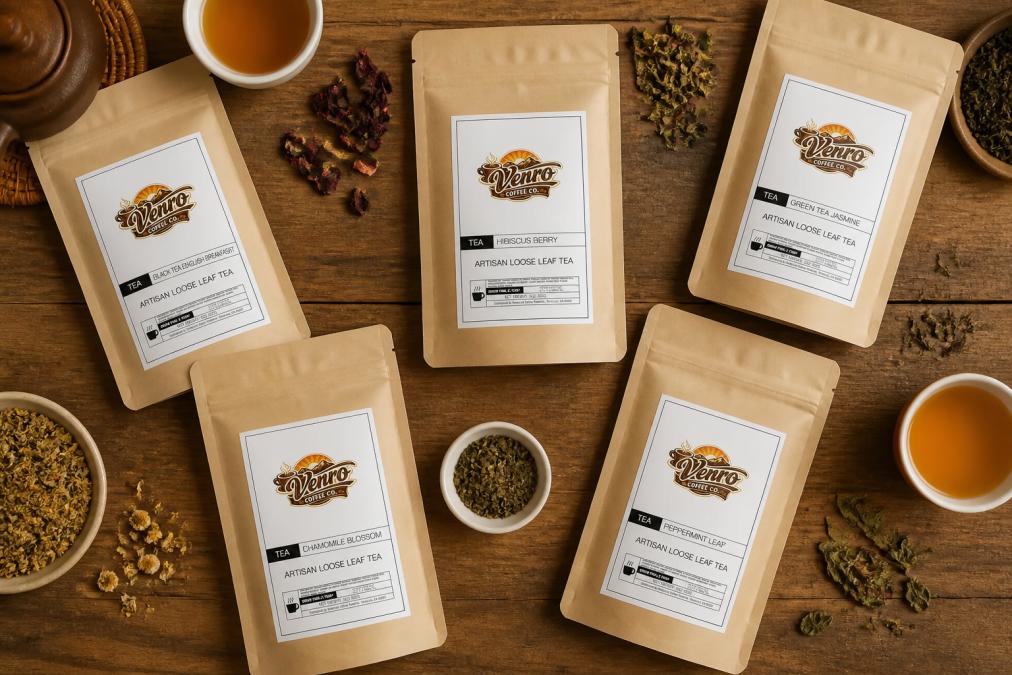
The brand's approach to tea selection reflects understanding that loose leaf tea enthusiasts want transparency. Each product includes the exact ingredients, tasting profile descriptors, optimal brewing temperature, steep time range, and recommended leaf-to-water ratio. This level of detail helps you to brew with confidence and adjust based on your preferences.
Black Tea and Herbal Blends
Venro Coffee Co.'s black tea offerings showcase different regional styles and flavor approaches. The English Breakfast Tea blends African and Indian black teas to create a strong, malty cup, the traditional morning tea profile that works beautifully black or with milk and sugar. At $20.99, it represents a premium option compared to grocery store alternatives.
Their Masala Chai brings authentic Indian spiced tea to your home. The blend combines quality black tea with cardamom, ginger, cinnamon, cloves, and black pepper. This is the tea you brew strong and serve with steamed milk and sugar, following traditional preparation methods. The complexity comes from balancing multiple spices without letting any single flavor dominate.

Herbal blends expand beyond traditional tea into botanical territory. The Hibiscus Berry Tea ($20.99) combines organic hibiscus flowers, rosehips, orange peel, rooibos, and blueberry flavoring. It's naturally caffeine-free, packed with antioxidants, and brews a striking ruby-red color. The tart-sweet balance makes it equally enjoyable hot or iced.
Peach Paradise ($20.99) layers peach, cranberry, and rose petals for an aromatic, naturally sweet blend. It's another caffeine-free option that works as afternoon refreshment or evening wind-down. The smooth flavor profile appeals to tea drinkers new to loose leaf brewing, no acquired taste required.
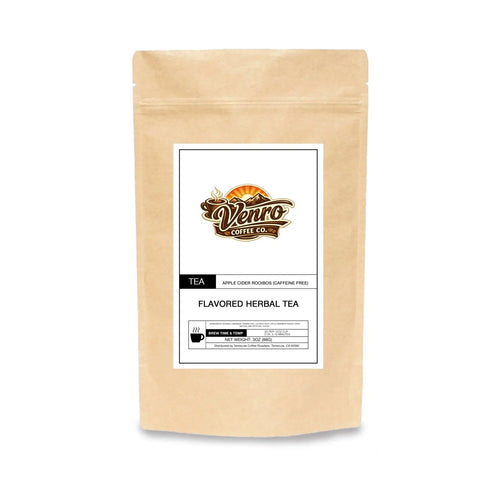
Apple Cider Rooibos ($20.99) delivers the cozy flavors of mulled cider using premium South African rooibos as the base. Cinnamon, orange peel, and warming spices create a naturally sweet cup without added sugar. This is quintessential comfort tea for cold months.
Green Tea and Floral Varieties
Venro Coffee Co.'s green tea selections emphasize delicate flavor and careful processing. The Jasmine Green Tea ($20.99) represents a masterclass in balance. Fresh jasmine blossoms and hand-picked green tea are paired at precisely the right moment, the green tea is prepared first, then jasmine blooms are added when ready. This timing creates harmony between the floral sweetness and the medium-bodied green tea base. The result is silky, complex, and rewarding across multiple steepings.
Moroccan Mint ($20.99) combines gunpowder green tea with fresh spearmint. This is the traditional North African tea profile, cooling and invigorating, refreshing hot or extraordinary over ice. The mint doesn't mask the green tea; instead, it complements the tea's natural brightness.
Earl Grey ($20.99) uses premium Ceylon OP black tea as its base, paired with true bergamot essential oil (not artificial flavoring) and dried blue cornflowers. The orange-floral bergamot character is distinctive and bright. Drink it black to appreciate the bergamot fully, or add milk to soften and round the flavor. It's the choice for tea traditionalists who want quality without gimmicks.
Mango Treat ($20.99) sits between herbal and true tea, a fruity base with natural mango flavoring. The smooth, clean sweetness makes it approachable for all tea drinkers, including those new to loose leaf brewing. Brew it strong and pour over ice with fresh mango for an elevated iced tea experience.
Storage and Freshness Longevity
How you store loose leaf tea determines whether it maintains peak flavor for months or deteriorates within weeks. Temperature, light exposure, moisture, and air contact all affect shelf life.
Store loose leaf tea in airtight containers away from direct sunlight. Glass jars with tight-sealing lids work well, as do the kraft pouches many subscriptions ship in if you fold and clip them carefully. Avoid clear containers that expose tea to light, light accelerates oxidation and flavor degradation.
Keep tea in a cool, dark place. Room temperature (65-70°F) is ideal. Avoid kitchens above stoves or near windows where temperature fluctuates. Heat accelerates oxidation. Humidity ruins tea. Never store tea in the refrigerator or freezer, condensation when you remove the container introduces moisture that degrades the leaves.
Properly stored loose leaf tea maintains excellent quality for 12-18 months. Black teas last longer than green teas because their oxidation level makes them more stable. Herbal infusions store even longer because they contain no tea leaves. Scented teas like jasmine or Earl Grey may lose some aromatic complexity after 12 months, but they remain drinkable.
Label containers with the tea name and storage date. This prevents confusion and helps you rotate stock so older teas get used first. A simple permanent marker on the container lid takes seconds and eliminates guesswork.
Sustainability and Ethical Sourcing Transparency
Premium loose leaf tea subscriptions increasingly emphasize sustainability and ethical sourcing, and for good reason. These practices affect both the product quality and your impact as a consumer.
Ethical sourcing means tea producers receive fair compensation that covers living costs and supports community development. Direct-to-consumer models cut out middlemen, allowing more money to reach farmers. Transparency about sourcing relationships builds confidence that your subscription supports responsible practices.
Look for subscriptions that disclose their sourcing relationships or provide traceability information. Some publish annual sustainability reports. Others highlight specific producer partnerships on product pages. This transparency signals commitment beyond marketing claims.
Packaging sustainability matters equally. Kraft paper pouches with one-way valves are compostable. Plastic containers create waste. Some subscriptions use recycled packaging materials. Others offer reusable containers or bulk refill options for repeat customers. Every choice compounds across monthly shipments.
Venro Coffee Co.'s emphasis on carefully sourced, artisan-grade teas reflects attention to producer relationships and quality standards. Their organic herbal blends specifically highlight organic certification and ingredient transparency. Supporting services that prioritize these practices encourages the industry to maintain high standards.
Is a Loose Leaf Tea Subscription Worth It?
The value of a loose leaf tea subscription depends on your consumption habits, flavor preferences, and willingness to engage with tea brewing as a ritual rather than mere caffeine delivery.
A subscription makes sense if you drink tea 4-5 times weekly and enjoy exploring different flavor profiles. The cost per cup ($0.50-$1.50) beats specialty tea shops dramatically. The convenience of curated selections arriving monthly removes decision fatigue. The freshness guarantee ensures you're tasting teas at their peak.
A subscription makes less sense if you drink tea occasionally or have fixed preferences. Buying a single bag of your favorite tea from a local vendor might better match your usage. Subscriptions assume you'll consume the full monthly shipment before the next one arrives. If tea accumulates in your pantry, you're wasting money on teas that degrade before you brew them.
The customization question is critical. Can you swap selections before shipment? Skip months without penalty? Cancel without hassle? Inflexible subscriptions frustrate tea drinkers whose preferences shift or consumption varies seasonally.
Consider your brewing setup. If you lack a proper infuser or don't own a temperature-controlled kettle, add those costs to your subscription expense. Quality infusers cost $15-$30. A temperature-controlled kettle runs $30-$60. These are one-time investments that unlock the full potential of loose leaf tea, but they're worth acknowledging upfront.
For serious tea enthusiasts, a loose leaf tea subscription from a provider like Venro Coffee Co. delivers genuine value. The combination of freshness, curated selection, brewing guidance, and cost savings justifies the monthly commitment. For casual drinkers, a subscription might accumulate unused tea before you finish what's already open.
A loose leaf tea subscription elevates your daily ritual when you choose a service that prioritizes freshness, offers customization, and demonstrates commitment to ethical sourcing. Venro Coffee Co. delivers on all three fronts with carefully sourced organic teas, detailed brewing guidance, and a diverse selection spanning black teas, green teas, and specialty herbal blends. The $20.99 per-tea pricing reflects premium quality and transparent sourcing practices. Start with a single month's subscription to explore whether the selection, freshness, and brewing experience justify the commitment to your morning or afternoon ritual. Shop Coffee at Venro Coffee Co. to discover how artisan-grade loose leaf tea transforms your daily tea experience.
Frequently Asked Questions
Q: What should I look for in a high-quality loose leaf tea subscription?
A: Prioritize clearly sourced blends, and detailed tasting notes that describe flavor profile and brewing instructions. Check the harvest date to ensure freshness, verify the company's ethical sourcing practices, and confirm the subscription offers customization so you can skip months or adjust selections. Loose leaf tea should arrive in airtight packaging and include steeping guidance specific to each blend's brewing temperature and steep time.
Q: How much does a typical loose leaf tea subscription cost?
A: Most loose leaf tea subscriptions range from $20 to $35 per month, with individual teas priced around $20.99 for a standard serving size. Cost per ounce typically falls between $0.70 and $1.50 depending on tea type and sourcing. Premium single-origin and specialty blends cost more than everyday teas. Calculate true value by dividing the price by ounces received and comparing it to your brewing frequency, a monthly subscription makes sense if you drink 3+ cups weekly.
Q: Are tea subscription boxes worth it compared to buying tea in stores?
A: Yes, if you value freshness, variety, and convenience. Subscription services deliver freshly roasted or recently harvested loose leaf tea directly to your door, often fresher than store inventory. You gain access to curated single-origin and artisan blends unavailable locally, detailed tasting notes, and the ability to discover new favorites without commitment. The premium pricing reflects superior quality and ethical sourcing. However, if you drink tea infrequently or prefer basic varieties, buying in bulk from local shops may be more economical.
Q: How do I brew loose leaf tea to get the best flavor?
A: Use 2.5 to 3 grams of loose leaf tea per 12 ounces of water, adjusting to taste preference. Heat water to the correct temperature for your tea type: 195-212°F for black teas, 160-180°F for green and white teas, and 212°F for herbal infusions. Steep for 5-10 minutes depending on the blend. Use an infuser basket, strainer, or teapot with a built-in filter. Multiple steepings are possible with quality loose leaf, resteep the same leaves 2-3 times, extending steep time by 1-2 minutes each round for optimal flavor extraction.
Q: What makes organic loose leaf tea different from conventional tea?
A: Organic loose leaf tea is grown without synthetic pesticides, herbicides, or fertilizers, meeting USDA organic standards. This results in cleaner flavor profiles and higher antioxidant content in many cases. Organic tea farming also prioritizes soil health and biodiversity, reducing environmental impact. The certification process is rigorous, so you can trust the organic label. Whole leaf format, versus tea bags, preserves more flavor compounds and allows multiple steepings, giving you better value and a superior tasting experience overall.
This article was written using GrandRanker