



How to Store Specialty Tea for Maximum Freshness
Table of Contents
- Why Proper Storage Matters for Specialty Tea
- Best Containers for Loose Leaf Tea
- Storing Tea Away from Light and Moisture
- Temperature Control and Room Temperature Storage
- Tea Shelf Life: Understanding Freshness and Expiration
- Refrigeration and Freezing: When to Use Them
- Keeping Tea Away from Strong Odors and Scent Contamination
- Sustainable Storage Solutions for Tea Lovers
- Troubleshooting Common Storage Issues
- Conclusion
Last Updated: August 29, 2026
Why Proper Storage Matters for Specialty Tea
Specialty tea contains volatile oils and aromatic compounds that degrade when exposed to light, heat, moisture, and oxygen. Once those compounds break down, they're gone. A tea stored carelessly might taste acceptable for two weeks. The same tea stored correctly will taste exceptional for months.
At Venro Coffee Co., we understand that storage isn't an afterthought, it's the final step in preserving the quality you paid for. When you invest in specialty loose leaf tea, you're investing in craftsmanship, terroir, and flavor complexity. This guide covers exactly how to store specialty tea to maintain maximum freshness.
Best Containers for Loose Leaf Tea
Metal Tins and Airtight Containers
Metal tins are the gold standard for tea storage. A quality metal tin creates an airtight seal that blocks oxygen, light, and moisture simultaneously. Unlike plastic, metal doesn't leach chemicals or flavors. Unlike glass, it's opaque, protecting your tea from UV rays that accelerate flavor degradation.
Look for tins with tight-fitting lids and minimal air space inside. Double-sealed tins offer extra protection. The best metal tins are made from food-grade aluminum or stainless steel. Avoid painted tins where the paint might chip into your tea; look for tins with an internal coating instead.
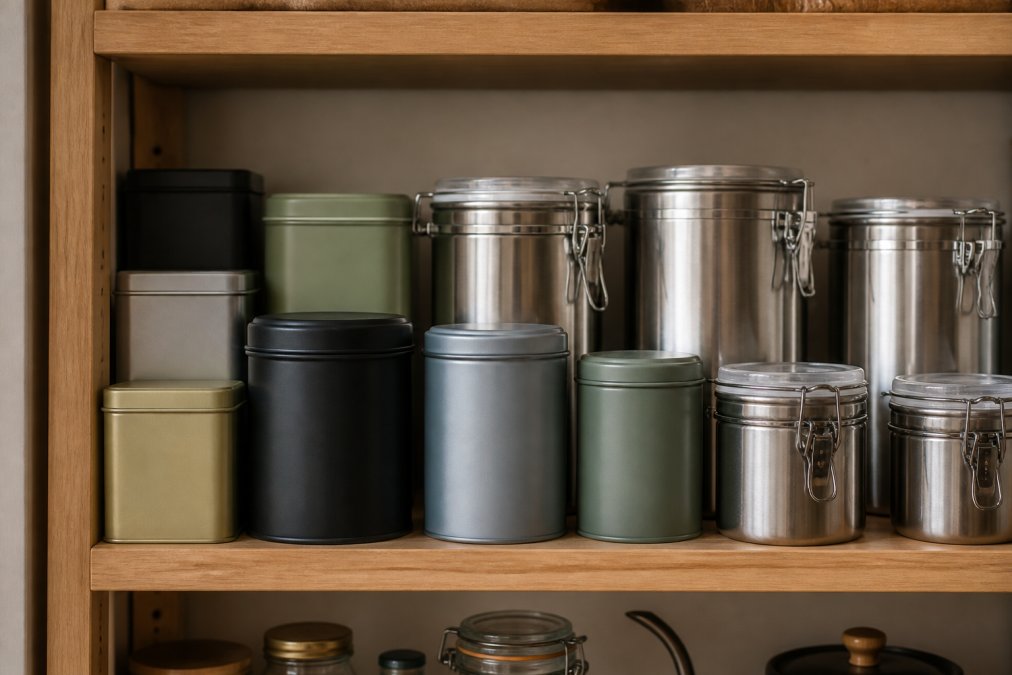
Size matters too. A tin that's too large leaves excess air space, which means more oxygen in contact with your tea. If you have a large quantity of loose leaf tea, divide it into smaller tins rather than storing everything in one large container.
Airtight containers with rubber gaskets work similarly well. Test the seal before committing: press the lid down and try to open it without unlatching. If it opens easily, the seal isn't tight enough.
Glass Jars and Opaque Options
Clear glass jars look beautiful but are problematic for tea storage. Light exposure, even indirect sunlight, degrades tea quality over time. If you love the look of glass, choose opaque glass jars with airtight lids.
Standard mason jars with metal lids work in a pinch, but they're not ideal. The rubber seal deteriorates over time, and the lids often don't create a truly airtight closure. Avoid storing tea in paper bags, cloth pouches, or any container without an airtight seal. Transfer your tea to a proper storage vessel as soon as you open it.
Storing Tea Away from Light and Moisture
Protecting from Light Exposure and UV Rays
Light is one of the primary enemies of stored tea. UV rays break down the aromatic compounds and chlorophyll that give specialty tea its color and flavor. Even a few weeks of indirect sunlight can noticeably flatten a tea's profile.
Store your tea in a dark place, a kitchen cabinet away from windows or a pantry works well. Avoid windowsills, open shelves in bright rooms, and anywhere sunlight reaches during the day. If your storage area gets any natural light, use opaque containers exclusively.
Managing Humidity and Moisture Absorption
Moisture is the second major threat to tea quality. Tea leaves are hygroscopic, they absorb moisture from the air. When moisture enters the leaves, it rehydrates them, triggering oxidation and microbial growth.
Aim for storage humidity below 60 percent. Use silica gel packets inside your storage containers to absorb excess moisture. Replace them every few months, or when they become saturated.
Don't store tea in the kitchen near the stove, dishwasher, or anywhere steam is generated. Bathrooms are terrible storage locations for the same reason. Choose a cool, dry cabinet far from moisture sources.
Temperature Control and Room Temperature Storage
Specialty tea stores best at room temperature, roughly 60 to 75 degrees Fahrenheit. Fluctuating temperatures are worse than consistently cool temperatures. Each temperature swing causes the air inside your container to expand and contract, drawing in fresh oxygen and moisture.
Avoid storing tea near heat sources: radiators, ovens, direct sunlight, or heating vents. Heat accelerates oxidation and flavor loss. A cool, stable environment is ideal.
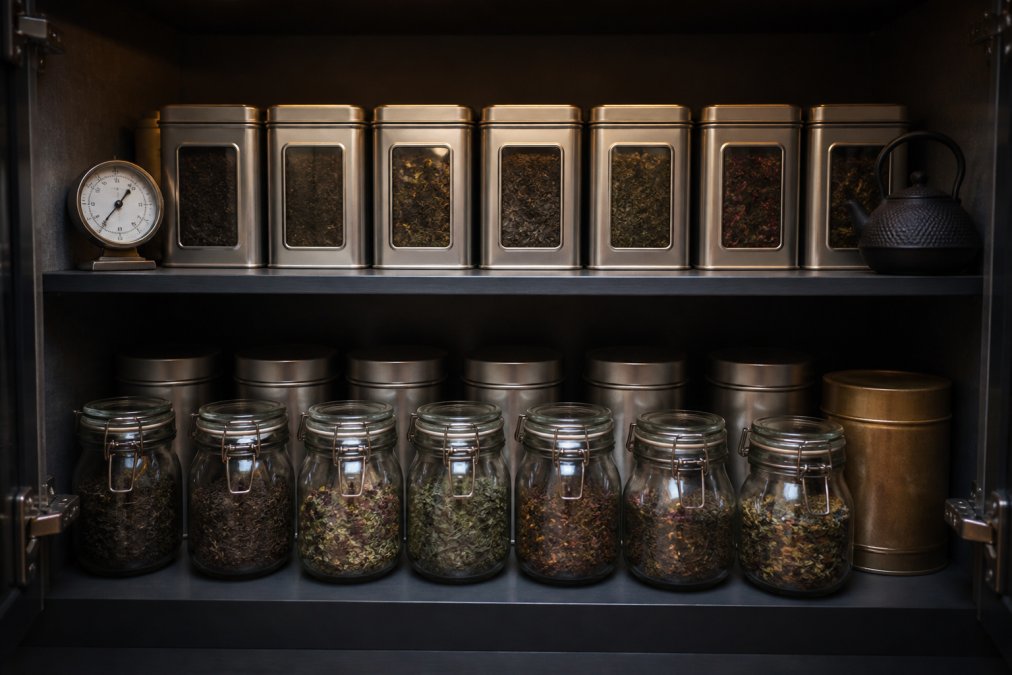
Basements can work well for tea storage if they stay dry and maintain stable temperatures. Attics are generally poor choices, they get too hot in summer and too cold in winter. A bedroom closet or interior kitchen cabinet typically offers the most stable conditions. Stability matters more than hitting a specific target temperature, as long as you stay in the cool-to-room-temperature range.
Tea Shelf Life: Understanding Freshness and Expiration
How Long Different Tea Types Stay Fresh
Tea doesn't expire in the way food does, it doesn't become unsafe to drink. It simply loses flavor and aroma over time through oxidative breakdown and volatile compound evaporation. How quickly this happens depends on the tea's oxidation level during processing.
During tea processing, oxidation creates stable polyphenol compounds. More heavily oxidized teas have already undergone controlled oxidation, leaving fewer volatile, unstable compounds vulnerable to further degradation. Lightly oxidized teas contain more delicate, volatile aromatic compounds that break down faster when exposed to oxygen, light, and heat.
White teas and green teas undergo minimal oxidation (0-10% for white, 0-30% for green), retaining the highest concentration of volatile compounds. Properly stored, they stay fresh for 6 to 12 months. After that, they begin to fade noticeably. In humid or warm conditions, this decline accelerates to 3-6 months.
Oolong teas, which are moderately to heavily oxidized (20-80% depending on style), maintain quality for 12 to 24 months. A lightly oxidized oolong will fade faster than a heavily oxidized one.
Black teas are fully oxidized (80-100%), making them the most stable. They can taste excellent for 2 to 3 years when stored well. Some black teas, particularly those from high-altitude regions, remain vibrant for 4+ years.
Herbal infusions (not technically "tea," since they contain no tea leaves) vary widely. Most stay fresh for 6 to 12 months. Infusions with flowers or fruits degrade faster than those with just dried herbs.
Pu-erh tea is unique. Raw pu-erh (sheng) is only lightly oxidized and can be stored for decades, developing deeper, more complex flavors through slow, controlled oxidation. Ripe pu-erh (shou) is already heavily oxidized and is generally consumed within 5-10 years, though quality examples can improve for longer.
Tea Aging Versus Tea Staling: What's the Difference
Staling is uncontrolled oxidation and flavor loss caused by exposure to oxygen, light, moisture, and heat. When a properly stored tea is exposed to these elements, it oxidizes in unwanted ways. The fresh, bright notes flatten. Herbal notes become muted. Fruity or floral aromatics fade. The tea tastes dull, papery, or musty. Staling is irreversible.
The mechanism: Volatile aromatic compounds (esters, terpenes, aldehydes) are highly reactive. When exposed to oxygen, they undergo oxidation reactions that break them into smaller, less aromatic molecules. UV light accelerates this process. Moisture rehydrates the leaf, triggering enzymatic activity that further degrades flavor compounds. Heat speeds all of these reactions.
Aging, by contrast, is controlled oxidation and chemical transformation over extended periods in ideal conditions. Certain teas, particularly pu-erh and some oolongs, improve with age. Aged pu-erh develops sweetness, depth, and smoothness that weren't present in the fresh tea.
The mechanism: In aged pu-erh, slow oxidation and microbial fermentation create new flavor compounds. Polyphenols break down into smaller, sweeter molecules. Proteins and amino acids undergo Maillard reactions, generating new aromatic compounds. This process is gradual, it takes years, and requires stable, slightly humid conditions (around 60-70% humidity).
The critical difference: Aging requires the right tea type, the right storage conditions, and time. Most specialty teas you buy, white, green, oolong, black, are meant to be consumed relatively fresh. Your goal is to prevent staling, not encourage aging. Only if you're specifically purchasing tea for aging (typically pu-erh or aged oolong) should you approach storage differently.
Refrigeration and Freezing: When to Use Them
Refrigeration and freezing can extend tea freshness, but they come with a significant caveat: condensation risk. When you remove a cold container from the refrigerator and open it in a warm room, moisture condenses on the leaves. This single exposure can compromise your tea by rehydrating the leaves and triggering unwanted oxidation.
When Refrigeration Makes Sense
Refrigeration is most useful in specific scenarios:
High-humidity climates. If you live in a region where humidity regularly exceeds 70%, room-temperature storage becomes problematic. Refrigeration slows moisture penetration significantly.
Delicate white and green teas in bulk. If you've purchased several ounces of white or green tea and plan to drink it over 12+ months, refrigeration extends the freshness window.

Extended storage of lightly oxidized oolongs. Oolongs in the 20-40% oxidation range benefit from refrigeration if you're storing them beyond 18 months.
How to Refrigerate Tea Safely
If you choose to refrigerate tea, follow these steps to minimize condensation damage:
-
Use airtight, moisture-proof containers. Metal tins with tight seals or glass jars with rubber gaskets work best.
-
Allow containers to come to room temperature before opening. Remove the container from the refrigerator and wait 30-45 minutes before unsealing it. This prevents moisture from condensing on the leaves.
-
Store tea in the main refrigerator compartment, not the freezer. The freezer is colder and creates a larger temperature differential, increasing condensation risk.
-
Keep the container sealed between uses. Minimize opening frequency by portioning tea into smaller daily-use containers.
Freezing for Long-Term Storage
Freezing works similarly to refrigeration but extends storage potential even further. Tea can be frozen for 1-2 years or longer if kept in airtight, moisture-proof containers.
Freezing protocol:
-
Portion tea into smaller containers (enough for 1-3 months of use). This minimizes thawing and refreezing.
-
Use airtight, freezer-safe containers. Vacuum-sealed bags work well if you have a vacuum sealer.
-
Label each container with the tea type and freeze date.
-
Thaw at room temperature before opening. Allow 45-60 minutes for thawing. Do not open the container while it's still cold.
-
Once thawed, do not refreeze. Use the thawed portion within 1-2 weeks.
Climate-Specific Troubleshooting
In high-humidity environments: If your home humidity regularly exceeds 65%, use airtight containers with fresh silica gel packets, and consider refrigerating delicate teas. Check silica gel packets monthly and replace them when saturated.
In dry climates: Room-temperature storage in airtight containers is ideal. Humidity below 40% is actually beneficial for most teas, as it slows oxidative degradation. Refrigeration is unnecessary.
In temperate climates with seasonal humidity swings: Store delicate teas (white, green, light oolong) in the refrigerator during humid months and at room temperature during dry months.
The Trade-Off: Convenience Versus Risk
For tea you plan to drink within 6 to 12 months, room-temperature storage in an airtight container is simpler and safer than refrigeration. Refrigeration and freezing are most valuable for tea stored in genuinely humid conditions, delicate teas you want to preserve beyond their normal window, or bulk purchases.
Keeping Tea Away from Strong Odors and Scent Contamination
Tea leaves absorb odors from their environment. This is how scented teas like jasmine green tea are made, fresh jasmine blossoms are placed with tea leaves, and the leaves absorb the floral aroma. It's a beautiful process when intentional. It's a disaster when accidental.
Store tea away from strong-smelling foods and substances. Coffee is the most common culprit, its intense aroma can transfer to nearby tea. Keep tea and coffee in separate cabinets if possible. Spices, onions, garlic, and other aromatic foods should also be stored separately.
Cleaning products, perfumes, and air fresheners can also contaminate tea. A cabinet that smells faintly of lemon cleaner will transfer that scent to your tea leaves. Choose a storage location away from these items.
If you've already stored tea near a strong odor source and notice off-flavors, the contamination is usually permanent. Prevention is far easier than remediation.
Sustainable Storage Solutions for Tea Lovers
If you're buying specialty loose leaf tea regularly, consider the environmental impact of your storage choices. Disposable plastic containers add waste. Metal tins and glass jars are reusable indefinitely.
Many specialty tea retailers, including Venro Coffee Co., sell tea in kraft paper bags or minimal packaging. Transfer the tea to permanent containers immediately. This reduces waste and protects your tea simultaneously.
Look for storage containers made from recycled materials. Some companies produce metal tins from recycled aluminum and glass jars from recycled glass. These options perform identically to new materials while reducing environmental impact.
If you buy tea in bulk, larger airtight containers are more efficient than many small ones. Silica gel packets can be dried and reused multiple times. After they become saturated, spread them on a baking sheet and dry them in a 250-degree oven for 2 to 3 hours.
Troubleshooting Common Storage Issues
Problem: Tea tastes stale after a few weeks
Check your container's seal. Press the lid down firmly, does it click or lock? If it opens easily without unlatching, the seal is compromised. Switch to a container with a tighter seal. Also check whether the tea is stored near a heat source or in bright light.
Problem: Tea smells off or tastes like something else
Your tea has absorbed an odor from its environment. Move it to a different storage location away from strong-smelling items. If the off-flavor is mild, the tea may still be drinkable, but the original profile is compromised.
Problem: Tea leaves look damp or feel sticky
Moisture has entered the container. Remove the tea immediately and transfer it to a dry container with fresh silica gel packets. If the leaves show visible mold, discard the tea, it's no longer safe to drink.
Problem: Tea tastes noticeably weaker than when you first bought it
This is normal degradation over time. Check your storage location. Is it near sunlight? Is the container truly airtight? Is the room particularly warm or humid? Adjust one variable at a time.
Problem: You can't remember how old your tea is
Label every container with the tea type and the date you transferred it to storage. Use a permanent marker on the container itself or attach a label.
Proper storage transforms how you experience specialty tea. The difference between a tea that tastes exceptional and one that tastes merely acceptable often comes down to three factors: an airtight container, darkness, and stability.
At Venro Coffee Co., we understand that freshness matters. When you order specialty loose leaf tea from us, whether it's our Jasmine Green Tea with its delicate floral sweetness, our bold Masala Chai, or our classic English Breakfast, you're receiving tea at peak freshness. How you store it from that point forward determines how long it stays that way. Follow the guidelines in this guide, invest in quality airtight containers, and keep your tea in a cool, dark place. You'll taste the difference immediately.

FDA guidance on proper food storage
International Organization for Standardization tea storage standards
Tea Association of the United States quality preservation guidelines
Frequently Asked Questions
Is 20-year-old tea still good to drink?
Tea doesn't truly expire, but it degrades over time. Most loose leaf teas remain drinkable for 1-3 years with proper storage, though flavor and aroma diminish significantly. Black teas age better than delicate greens. After 20 years, your tea will likely taste stale and lack the fresh flavor profile you expect, though it won't be unsafe. Store specialty tea in airtight containers away from light and moisture to extend its lifespan.
What's the difference between storing tea in glass versus metal containers?
Both work well when opaque or kept in dark storage. Metal tins provide superior oxygen barriers and protect against light exposure better than clear glass. Glass jars let you see contents but only if stored in a dark cabinet. Metal tins are ideal for loose leaf tea because they create an airtight seal and block UV rays completely. Glass works fine if you prioritize sustainability and don't mind keeping containers in a dark location.
How do light and humidity affect specialty tea quality?
Light exposure breaks down volatile oils and aromatic compounds that give specialty tea its distinctive flavor. UV rays accelerate oxidation and flavor degradation. Humidity causes moisture absorption, which promotes mold growth and stale flavors. Excess moisture also triggers chemical reactions that destroy the delicate characteristics of high-quality loose leaf tea. Store tea in opaque, airtight containers in a cool, dry environment to preserve freshness and prevent quality loss.
Can you store different types of tea in the same container?
No, different teas should have separate containers. Loose leaf tea absorbs scent contamination easily, so black tea stored with jasmine green tea will transfer flavors. Each tea type also has different ideal storage conditions based on oxidation levels. Keep specialty teas in individual airtight containers to maintain their unique flavor profiles and prevent cross-contamination of delicate aromas.
This article was written using GrandRanker