



Benefits of Drinking Organic Loose Leaf Tea Daily
Table of Contents
- Why Organic Loose Leaf Tea Stands Out
- Antioxidants and Cellular Protection
- Cardiovascular Health and Heart Function
- Metabolism, Weight Management, and Blood Sugar Regulation
- Immune System and Digestive Support
- Mental Clarity, Energy, and Stress Relief
- Loose Leaf Tea vs. Tea Bags: What Makes the Difference
- How to Brew Loose Leaf Tea for Maximum Benefits
- How to Store Loose Leaf Tea to Preserve Freshness
- Daily Consumption Safety and Side Effects
Last Updated: August 26, 2026
Why Organic Loose Leaf Tea Stands Out
When you choose organic loose leaf tea daily, you're making a deliberate decision to consume tea in its most natural, unprocessed form. Unlike conventional tea production that may involve synthetic pesticides and chemical residues, organic loose leaf tea is grown without these additives, preserving the plant's full nutritional profile. The difference between loose leaf and processed alternatives goes beyond certification, it's about what actually ends up in your cup.

Loose leaf tea retains whole leaves, buds, and flowers rather than the broken fannings and dust found in tea bags. This matters because whole leaves contain higher concentrations of beneficial compounds like polyphenols, catechins, and epigallocatechin gallate (EGCG), which are the primary drivers behind tea's health benefits. When you steep whole leaves, you're extracting a more complete spectrum of these compounds compared to the degraded particles in commercial tea bags.
At Venro Coffee Co., we've curated a selection of organic loose leaf teas specifically chosen for their purity and potency. Our sourcing prioritizes whole-leaf varieties. The commitment to organic production means you avoid microplastic contamination from synthetic tea bags, a growing concern as research reveals that conventional tea bags can shed microplastics into your brew.
The ritual of preparing loose leaf tea also changes how your body processes it. Brewing temperature, steeping time, and water quality all influence the final composition of beneficial compounds in your cup. This level of control is impossible with pre-packaged tea bags, where brewing variables are limited and standardized.
Antioxidants and Cellular Protection
Organic loose leaf tea is rich in antioxidants, compounds that combat free radicals in your body and protect cells from oxidative stress. The primary antioxidants in tea are polyphenols and flavonoids, which work at the cellular level to neutralize harmful molecules before they can damage DNA and cellular structures. When consumed daily, these antioxidants accumulate in your system, providing ongoing protection against age-related cellular degradation.

Catechins, a specific type of polyphenol found abundantly in green and white loose leaf teas, have been studied extensively for their cellular protection properties. EGCG, the most potent catechin, represents a significant portion of tea's antioxidant power. The concentration of EGCG in whole leaves is substantially higher than in tea bag dust, meaning your daily cup delivers more of these protective compounds.
The anti-inflammatory properties of these antioxidants extend beyond simple free radical neutralization. Chronic inflammation underlies many age-related diseases, and regular consumption of antioxidant-rich tea helps modulate inflammatory responses throughout your body. This is particularly important for anyone looking to support long-term cellular health through dietary choices rather than supplementation alone.
Oxidation levels in tea vary significantly based on processing. Black teas undergo full oxidation, which creates different polyphenol profiles than lightly oxidized white or green teas. Choosing organic varieties ensures these beneficial compounds haven't been compromised by pesticide exposure or degradation during storage. The freshness of loose leaf tea also matters, properly stored organic loose leaf maintains its antioxidant potency far longer than pre-packaged alternatives.
Cardiovascular Health and Heart Function
Daily consumption of organic loose leaf tea supports cardiovascular health through multiple mechanisms. The polyphenols in tea improve endothelial function, the ability of blood vessel walls to relax and contract properly, which directly impacts blood pressure regulation and circulation (peer-reviewed research). Regular tea drinkers often maintain healthier blood pressure levels compared to non-consumers, a benefit that accumulates over weeks and months of consistent daily intake.
The cardiovascular benefits extend to cholesterol management. Tea's antioxidants help prevent LDL oxidation, a process that contributes to plaque buildup in arteries. By reducing oxidative stress on cholesterol molecules, tea helps maintain healthier cholesterol profiles naturally. This mechanism works best with consistent daily consumption, as the protective effects build over time rather than appearing from occasional use.
Heart rate variability and overall cardiac efficiency also improve with regular loose leaf tea consumption. The mild caffeine content in tea, particularly in black and oolong varieties, provides gentle cardiovascular stimulation without the jittery effects of coffee. This balanced stimulation supports healthy heart function while the antioxidants simultaneously protect against oxidative damage to cardiac tissue.
Flavonoid content deserves specific attention for cardiovascular support. These compounds strengthen blood vessel walls, improve blood flow, and reduce the risk of clot formation. Organic loose leaf teas, with their intact leaf structure, deliver higher flavonoid concentrations than processed alternatives. The daily ritual of consuming tea becomes a preventive cardiovascular strategy rather than a passive beverage choice.
Metabolism, Weight Management, and Blood Sugar Regulation
Organic loose leaf tea influences metabolism through multiple pathways, making it a valuable addition to any daily routine focused on weight management. The caffeine content, though moderate compared to coffee, provides a metabolic boost that increases calorie expenditure throughout the day. More significantly, the catechins in tea, particularly EGCG, work synergistically with caffeine to enhance fat oxidation, especially during physical activity.
Blood sugar regulation represents one of tea's most practical benefits for daily health. The polyphenols in loose leaf tea slow glucose absorption in the digestive system, preventing sharp blood sugar spikes after meals (peer-reviewed research). This steadier glucose response reduces insulin demand on your pancreas and helps maintain stable energy levels throughout the day. For anyone managing prediabetic conditions or simply seeking consistent energy, this benefit proves invaluable.
Insulin sensitivity, your body's ability to respond effectively to insulin, improves with regular tea consumption. Better insulin sensitivity means your cells accept glucose more efficiently, reducing the amount of insulin your pancreas must produce. Over time, this reduces metabolic stress and supports healthier weight management without requiring restrictive dieting.
The thermogenic effect of tea consumption also contributes to metabolism support. Your body expends energy processing and absorbing tea's compounds, a small but measurable caloric cost that adds up over daily consumption. Combined with tea's ability to increase fat oxidation during exercise, this creates a synergistic effect on body composition. The consistency of daily consumption matters more than occasional high-dose intake, steady, moderate tea drinking produces better metabolic outcomes than sporadic heavy consumption.
Immune System and Digestive Support
Your immune system benefits significantly from the polyphenols and essential minerals found in organic loose leaf tea. These compounds support the production and function of white blood cells, your body's primary defense against pathogens. The anti-inflammatory properties of tea also reduce excessive immune activation, helping your system maintain balanced responses to potential threats rather than overreacting to minor challenges.
Digestive health improves through multiple mechanisms when consuming loose leaf tea daily. The tannins in tea, compounds that give tea its characteristic astringency, support healthy digestive function by promoting beneficial bacterial growth in your gut. A healthy gut microbiome is foundational to overall immune function, as your digestive system houses a significant portion of your immune cells. By supporting gut health through tea consumption, you're simultaneously strengthening your immune defenses.
The gentle digestive stimulation from tea consumption aids nutrient absorption and supports regular digestive function. Unlike aggressive digestive stimulants, tea works gradually and naturally, improving digestion without causing dependency or disruption. The hydration from daily tea consumption also supports digestive processes, as adequate fluid intake is essential for healthy digestion and nutrient transport.
Herbal loose leaf teas offer additional digestive support through their specific botanical compositions. Varieties like ginger-based or chamomile blends provide targeted digestive benefits, while black and green teas offer broader immune support. At Venro Coffee Co., our Masala Chai Loose Leaf Tea combines black tea with warming spices traditionally used to support digestive function, making it an excellent choice for daily consumption focused on gut health.
Mental Clarity, Energy, and Stress Relief
The cognitive benefits of organic loose leaf tea daily stem from a balanced combination of caffeine and L-theanine, an amino acid unique to tea leaves. While caffeine provides mental alertness and focus, L-theanine promotes calm, focused attention without the jittery sensation associated with coffee. This combination creates an ideal state for mental work, alert but relaxed, focused but not anxious. The synergy between these compounds produces sustained cognitive clarity throughout your day.
Mental fatigue diminishes with regular tea consumption as your brain receives consistent, moderate stimulation without the energy crashes that follow coffee consumption. The polyphenols in tea also support cognitive function by protecting brain cells from oxidative stress and supporting healthy blood flow to neural tissues. Over time, daily tea consumption may support long-term cognitive health and mental acuity.
Stress relief emerges from both the chemical composition of tea and the ritualistic aspects of tea preparation and consumption. The act of brewing loose leaf tea, measuring leaves, heating water to the proper temperature, waiting for steeping, creates a mindfulness practice that calms your nervous system before you even take your first sip. This intentional pause in your day provides psychological stress relief independent of tea's chemical properties.

The L-theanine in tea promotes alpha brain wave activity, the mental state associated with relaxation and creativity. This means your afternoon cup of loose leaf tea supports both mental clarity for work and emotional calm for stress management. The daily ritual becomes a tool for emotional regulation, helping you navigate busy schedules with greater equanimity.
Loose Leaf Tea vs. Tea Bags: What Makes the Difference
The structural difference between loose leaf and tea bags fundamentally affects what you consume. Loose leaf tea consists of whole leaves, buds, and flowers, the intact plant material that retains all beneficial compounds. Tea bags, by contrast, contain fannings and dust: the fragments and particles left over after processing whole leaves for other purposes. This isn't just a matter of preference; it's a quantifiable difference in compound concentration.
Whole leaves extract more completely during brewing, delivering higher concentrations of polyphenols, catechins, and other beneficial compounds to your cup. The surface area of whole leaves allows for optimal water penetration and compound release, while the fragmented material in tea bags often over-extracts, releasing excessive tannins that create bitterness without additional benefit. The brewing experience differs substantially, loose leaf tea produces a cleaner, more nuanced flavor profile because the extraction process is more controlled.
Microplastic contamination represents a critical distinction between loose leaf and conventional tea bags. Research has revealed that synthetic tea bags shed microplastics during brewing, with each cup potentially containing thousands of microplastic particles (peer-reviewed research). Loose leaf tea eliminates this concern entirely, as you're steeping plant material directly in water without synthetic packaging intermediaries. For anyone focused on pure, uncontaminated daily consumption, this difference alone justifies the switch to loose leaf.
The freshness of loose leaf tea also surpasses bagged varieties. Whole leaves maintain their potency longer than fragmented material, which oxidizes more rapidly due to increased surface exposure. When you purchase loose leaf from specialty suppliers like Venro Coffee Co., you're receiving tea that's been processed and packaged to preserve freshness. Pre-packaged tea bags may have sat in warehouses for months or years before reaching your home.
Storage and reuse represent practical advantages of loose leaf tea. You can brew loose leaf multiple times from the same leaves, extracting different flavor profiles and compound compositions with each infusion. Tea bags are designed for single use, creating unnecessary waste. The economic advantage of loose leaf becomes apparent over time, you use less tea material to achieve superior results, making daily consumption more sustainable and cost-effective.
How to Brew Loose Leaf Tea for Maximum Benefits
Brewing temperature significantly influences which compounds extract into your cup, making this the most important variable in your daily tea preparation. Different tea types require different temperatures to extract optimal benefits without over-extracting bitter compounds. Green and white teas steep best at 160-180°F, while black teas and herbal infusions benefit from 200-212°F water. Using water that's too hot for delicate teas destroys beneficial compounds, while water that's too cool fails to extract them fully.
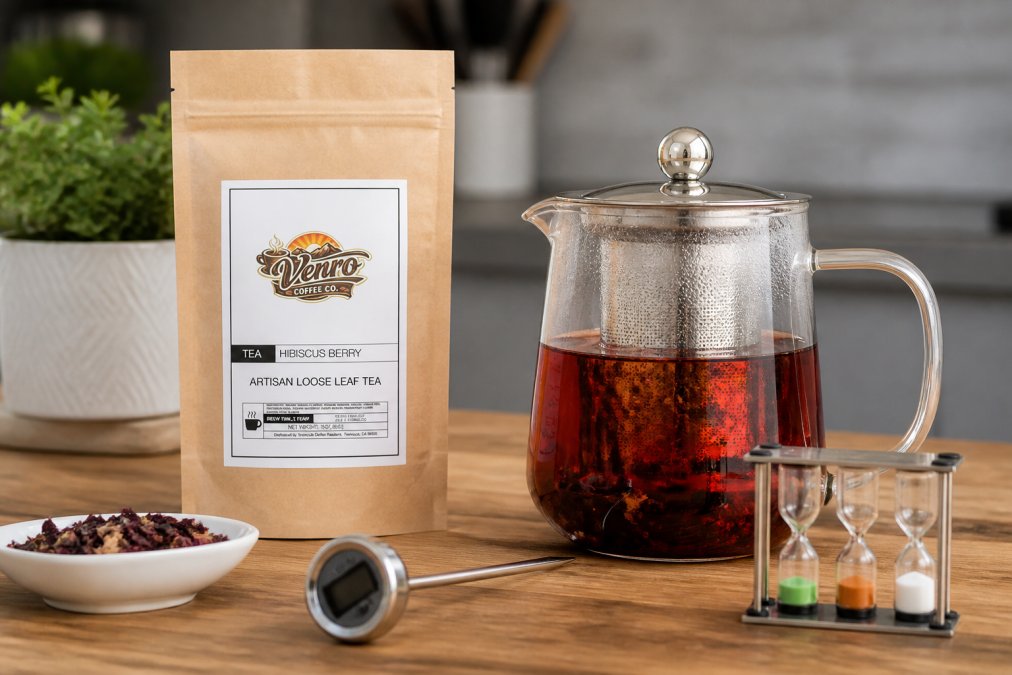
Steeping time determines extraction completeness and flavor profile. Most loose leaf teas steep optimally for 3-5 minutes, though this varies by tea type and personal preference. Under-steeping fails to extract full compound concentrations, while over-steeping creates excessive bitterness without additional benefits. The first infusion extracts the majority of beneficial compounds, but loose leaf can be resteeped 2-3 times with diminishing but still meaningful compound release.
Water quality affects extraction efficiency and final tea composition. Filtered water free from chlorine and other chemicals allows tea compounds to extract cleanly without interference from water contaminants. Hard water with high mineral content can interfere with extraction, while soft, filtered water provides optimal conditions. If your tap water is heavily chlorinated or mineral-rich, using filtered water becomes essential for maximum benefit extraction.
Leaf-to-water ratio determines the concentration of beneficial compounds in your final cup. A standard ratio of 1 teaspoon of loose leaf per 8 ounces of water produces optimal results for most teas. Some prefer stronger brews with more leaf material, which increases compound concentration but may introduce excessive tannins if steeped too long. Experimenting within a reasonable range helps you discover your ideal ratio for both flavor and health benefit.
The brewing vessel matters more than many realize. Glass infusers allow you to observe the steeping process and remove leaves at the precise moment extraction is complete. Metal infusers work well but don't provide visual feedback. Ceramic or glass teapots maintain water temperature better than metal, ensuring consistent extraction throughout steeping. Avoiding plastic brewing vessels prevents potential leaching of compounds into your tea.
How to Store Loose Leaf Tea to Preserve Freshness
Proper storage directly impacts how long your loose leaf tea retains its beneficial compounds and flavor profile. Exposure to light, heat, air, and moisture degrades tea quality, so storage conditions must minimize all four. Airtight containers protect loose leaf from oxidation, while opaque containers or dark storage locations prevent light degradation. Room temperature storage, away from direct sunlight and heat sources, maintains optimal freshness longer than warm or cool locations.
Glass jars with airtight seals represent the gold standard for loose leaf storage. They're inert, don't absorb odors, and allow you to see your tea supply at a glance. Metal tins with tight-fitting lids also work well, particularly for long-term storage. Avoid plastic containers, which can leach compounds into tea and absorb tea odors, affecting subsequent storage uses. Properly sealed containers keep loose leaf fresh for 6-12 months, depending on tea type and storage conditions.
Humidity control prevents moisture absorption, which accelerates degradation and can promote mold growth. Store loose leaf in a dry environment, ideally with humidity below 50%. Avoid storing tea in kitchens near steam-producing appliances or in bathrooms where humidity fluctuates. If you live in a humid climate, adding food-grade desiccant packets to your storage containers extends freshness significantly.
Temperature stability matters more than absolute temperature. Fluctuating temperatures cause condensation and moisture accumulation inside storage containers. A cool pantry or cupboard away from heat sources maintains consistent conditions better than a kitchen counter near appliances. Avoid storing tea in refrigerators or freezers, as temperature cycling and moisture exposure degrade quality faster than stable room temperature storage.
Separation by tea type prevents flavor cross-contamination, particularly important when storing aromatic varieties like jasmine or herbal blends. Strong-flavored teas can transfer their aroma to delicate varieties stored nearby, affecting subsequent brewing. Our Jasmine Green Tea Loose Leaf and Hibiscus Berry Tea are particularly aromatic and should be stored separately from lighter varieties to preserve their distinct character.

Label your containers with the tea type and purchase date. This simple practice prevents confusion and helps you rotate stock, using older tea first. Most loose leaf tea reaches peak quality within the first 3-6 months of storage, so consuming tea within this window ensures you're getting maximum benefit from your daily ritual.
Daily Consumption Safety and Side Effects
While organic loose leaf tea is generally safe for daily consumption, understanding potential side effects helps you optimize your intake. The caffeine content in loose leaf tea, typically 25-50 mg per cup depending on type, is substantially lower than coffee but sufficient to affect some individuals. People sensitive to caffeine may experience sleep disruption if consuming tea late in the day, so timing your consumption earlier in the afternoon prevents this issue.
Excessive tea consumption can lead to tannin accumulation, which may interfere with iron absorption in some individuals. This concern primarily affects people with iron deficiency or those taking iron supplements. Spacing tea consumption at least 2 hours away from iron-rich meals or supplements minimizes this interaction. Most people consuming 3-4 cups of loose leaf tea daily experience no iron absorption issues, but those with existing iron concerns should moderate intake accordingly.
Certain herbal loose leaf teas may interact with medications or cause sensitivities in particular individuals. Herbal varieties like Masala Chai contain spices that warm the body and may not suit everyone, particularly those with heat-sensitive conditions. Discussing your tea consumption with your healthcare provider ensures no interactions with medications or existing health conditions.
Pregnancy and nursing require special consideration regarding loose leaf tea consumption. While moderate tea consumption is generally considered safe during pregnancy, excessive caffeine intake may increase miscarriage risk. Pregnant individuals should limit tea to 1-2 cups daily and consult their healthcare provider about individual circumstances. Caffeine passes into breast milk, so nursing mothers should similarly moderate intake.
Proper hydration remains important when consuming loose leaf tea daily. While tea contributes to daily fluid intake, excessive consumption can have mild diuretic effects due to caffeine content. Balancing tea consumption with plain water intake ensures adequate overall hydration. Most people find that 3-4 cups of loose leaf tea daily, combined with regular water consumption, supports optimal hydration without adverse effects.
Quality sourcing matters for safety considerations. Organic loose leaf tea from reputable suppliers like Venro Coffee Co. undergoes testing to ensure absence of heavy metals, pesticide residues, and microbial contaminants. Non-organic teas may contain synthetic pesticide residues that accumulate with daily consumption. Choosing certified organic loose leaf eliminates this concern and ensures you're consuming the purest possible product.
The daily ritual of brewing and consuming organic loose leaf tea transforms a simple beverage into a comprehensive wellness practice. From cellular protection through antioxidants to cardiovascular support, metabolic optimization, and stress relief, the benefits compound over time with consistent consumption. Venro Coffee Co.'s carefully sourced organic loose leaf teas, including varieties like English Breakfast and Jasmine Green Tea, deliver the quality and freshness necessary to maximize these daily benefits. Start with one cup and observe how your energy, mental clarity, and overall wellness improve as this practice becomes part of your routine.
Frequently Asked Questions
Q: Can you drink loose leaf tea every day?
A: Yes, most people can safely drink organic loose leaf tea daily. A typical serving contains 25-50 mg of caffeine per cup, depending on the type and steeping time. Green and white teas have less caffeine than black or chai varieties. However, daily consumption should stay within 300-400 mg of total caffeine intake. If you have caffeine sensitivity, heart conditions, or are pregnant, consult your healthcare provider about appropriate daily amounts.
Q: Does loose leaf tea have more antioxidants than bagged tea?
A: Loose leaf tea generally contains more antioxidants than bagged tea because whole leaves retain more catechins, polyphenols, and EGCG during storage and brewing. Tea bags often contain fannings and dust, broken leaf fragments that oxidize faster and lose potency. Whole leaf varieties preserve these beneficial compounds longer. Proper brewing temperature and steeping time also matter; hotter water and longer steeps extract more antioxidants from loose leaf tea.
Q: What are the main health benefits of organic loose leaf tea?
A: Organic loose leaf tea delivers multiple benefits: antioxidants that fight free radicals and support cellular health, polyphenols that promote cardiovascular function and insulin sensitivity, catechins that boost metabolism, and compounds that support immune and digestive health. Many varieties also contain L-theanine, which enhances cognitive function and alertness without the jittery feeling of caffeine alone. The anti-inflammatory properties make it a valuable addition to a daily wellness routine.
Q: How much loose leaf tea should you drink daily?
A: A safe daily intake is 3-5 cups (8-12 oz each) of brewed loose leaf tea. Each cup typically uses 3-5 grams of loose leaf tea steeped for 5-10 minutes. This amount provides meaningful antioxidant benefits while keeping caffeine consumption within safe limits. If you prefer caffeine-free options like herbal blends, you can drink more without concern. Start with 1-2 cups daily and adjust based on how your body responds.
This article was written using GrandRanker