



Benefits of Single Origin Coffee Beans: A Complete Guide
Table of Contents
- What Makes Single Origin Coffee Different
- Single Origin vs. Blend Coffee: Key Differences
- Understanding Coffee Terroir and Regional Characteristics
- Flavor Profiles and Tasting Notes Explained
- How to Brew Single Origin Coffee for Maximum Flavor
- Sustainability and Ethical Sourcing Benefits
- Health Benefits and Antioxidant Content
- The Economic Value: What You're Actually Paying For
- Sensory Evaluation: Learning to Taste Single Origin Coffee
- Common Mistakes When Brewing Single Origin Beans
Benefits of Single Origin Coffee Beans: A Complete Guide
Last Updated: August 3, 2026

Single origin coffee has become increasingly popular among specialty coffee enthusiasts for good reason. The benefits extend far beyond flavor to encompass traceability, sustainability, and direct connection to the farmers who grow them. At Venro Coffee Co., we've spent years sourcing and roasting single origin beans from around the world, and we've seen firsthand how these coffees transform the home brewing experience. Below, we'll explore what makes single origin coffee different, how to brew it properly, and why the investment in quality beans pays dividends in every cup.
What Makes Single Origin Coffee Different
Single origin coffee comes from a specific geographic location, typically a single country, region, or even an individual farm. This is fundamentally different from commercial blends, which combine beans from multiple origins to achieve a consistent flavor profile at lower cost.
The defining characteristic is traceability. When you buy a bag labeled "Ethiopia Natural" or "Colombia," you know exactly where those beans came from, how they were processed, and often the elevation at which they were grown. Every variable, altitude, climate, soil composition, and harvesting method, directly influences the final cup.
For consumers, this means you're tasting the authentic expression of a specific place. You're not tasting a committee-designed flavor profile engineered for broad appeal. You're tasting terroir, the environmental factors that shape the bean's character. This distinction also creates accountability: if a single origin batch doesn't meet expectations, you know which farm or cooperative to address. With blended coffee, quality issues get buried in the mix.
Single Origin vs. Blend Coffee: Key Differences
Flavor Consistency and Clarity
Single origin beans showcase the distinct characteristics of their region, what specialty coffee professionals call "clarity of flavor." When you brew a single origin Ethiopian Natural, you're experiencing berry notes, wine-like acidity, and floral undertones that come directly from that coffee's processing method and terroir.
Blend coffee is designed for consistency and balance. A roaster combines beans from different origins to achieve a target flavor profile, say, balanced acidity with chocolate notes and smooth body. The goal is to deliver the same experience in every bag, year after year. This sacrifices the distinctive character that makes single origin compelling.
Single origin coffees can vary slightly from harvest to harvest because they're the authentic product of a specific time and place. Blended coffee smooths out those variations intentionally. If you prefer predictability, blends win. If you want to taste what a region actually produces, single origin is the answer.
Traceability and Sourcing Transparency
Single origin coffee creates a direct connection between you and the source. Many specialty roasters provide detailed information about the farms or cooperatives that produced your beans:
- Farm name and owner
- Altitude and geographic coordinates
- Harvest date
- Processing method (washed, natural, honey process)
- Varietals grown
- Certification status (Fair Trade, organic, Rainforest Alliance)
This transparency ensures quality control, supports ethical sourcing, and satisfies curiosity about the story behind your beans. Blended coffee rarely offers this level of detail, making it harder to verify sourcing claims or support specific farmers.
The specialty coffee industry standards have increasingly emphasized traceability as a marker of quality and ethical practice. Single origin coffees naturally align with these standards because their specificity demands accountability.
Understanding Coffee Terroir and Regional Characteristics
Terroir encompasses everything about a place that influences what grows there: altitude, climate, rainfall, soil composition, and sunlight. In coffee, terroir is fundamental to understanding why different regions produce distinctly different flavors.
Coffee grown at higher altitudes develops more complex acidity and brighter flavors because plants mature more slowly. Beans from volcanic regions like Bali or parts of Ethiopia tend to have earthier, more mineral-forward characteristics. Tropical climates with consistent rainfall produce different flavor profiles than regions with distinct wet and dry seasons.
The processing method also interacts with terroir. An Ethiopian coffee processed using the natural (dry) method will taste dramatically different from the same bean processed using the washed method. The natural process leaves the fruit intact during drying, intensifying fruity and wine-like notes. The washed process removes the fruit before drying, resulting in cleaner, more tea-like characteristics.
Understanding these relationships helps you predict what you'll taste before you brew. A high-altitude Colombian coffee processed using the washed method will likely deliver bright acidity, citrus notes, and a clean body.

How Altitude, Climate, and Soil Shape Flavor
Altitude is perhaps the single most important factor in coffee quality. Beans grown above 1,800 meters develop more slowly, allowing sugars and acids to build complexity. High-altitude coffees typically display brighter acidity, more nuanced flavors, and greater clarity.
Climate determines growing conditions and harvest timing. Regions with distinct wet and dry seasons produce coffees with different characteristics than year-round tropical climates. Soil composition affects mineral content and nutrient availability. Volcanic soils, found in regions like Bali and Guatemala, impart distinctive mineral notes. The combination of these factors creates the terroir signature, a coffee from the Huila region of Colombia tastes like Huila because of that region's specific altitude, climate, and soil.
Flavor Profiles and Tasting Notes Explained
When you read a tasting note on a bag of single origin coffee, "blueberry, milk chocolate, hazelnut", the roaster is describing the flavors you're likely to taste when you brew it properly. These notes aren't added to the coffee; they're natural flavor compounds present in the bean, waiting to be extracted by hot water.
The roasting process significantly influences which flavors you'll perceive. A light roast preserves bright, acidic, fruity notes. A medium roast balances acidity with sweetness and body. A dark roast emphasizes chocolate, caramel, and smoky characteristics while muting acidity.
Tasting notes vary by roaster because they're subjective interpretations. One roaster might taste "cherry" where another tastes "strawberry." Both are correct. The key is consistency: if a roaster describes a coffee as having "berry notes," you should taste berry-forward flavors.
Reading Tasting Notes and Building Your Palate
Learning to taste coffee intentionally takes practice. Start by brewing a cup using proper technique. Before you drink, smell the brewed coffee, your sense of smell does 80% of the flavor work. Take a small sip and hold it in your mouth for a moment. Notice the body, acidity, and aftertaste.
The tasting notes on the bag are hints, not commands. Your palate is unique. After tasting five or six single origin coffees side by side, you'll start noticing patterns. Ethiopian coffees tend toward floral and fruity. Brazilian coffees tend toward chocolate and nuts. Colombian coffees tend toward balanced sweetness with mild acidity. Recognizing these patterns makes you a more discerning coffee drinker.
How to Brew Single Origin Coffee for Maximum Flavor
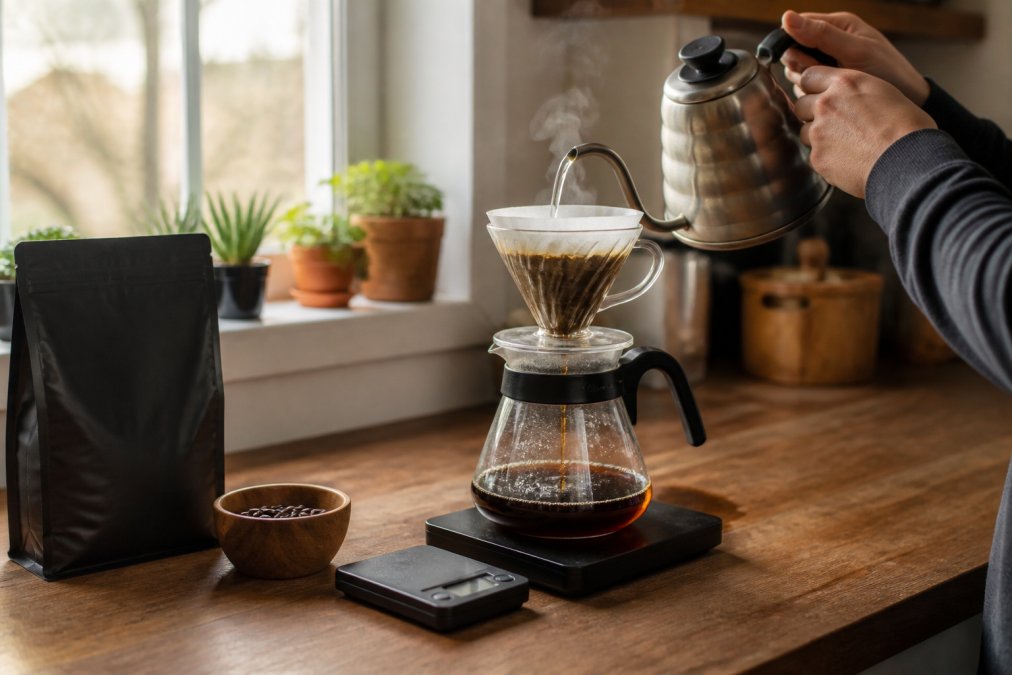
Single origin coffee demands proper brewing technique. Poor brewing, using water that's too hot or too cool, brewing for the wrong amount of time, using the wrong grind size, will obscure the very flavors you're paying for.
Proper brewing requires attention to three variables: water temperature, brew ratio (coffee to water), and contact time (how long the water touches the grounds).
Brew Ratio, Water Temperature, and Extraction Time
The standard brew ratio for most brewing methods is 1:16, one part coffee to 16 parts water by weight. If you're brewing 25 grams of coffee, use 400 grams (about 13.5 ounces) of water.
Water temperature should be between 195-205°F (90-96°C). Water that's too hot over-extracts, pulling out bitter compounds. Water that's too cool under-extracts, leaving the coffee sour and thin. If you don't have a thermometer, let boiling water cool for about 30 seconds before pouring.
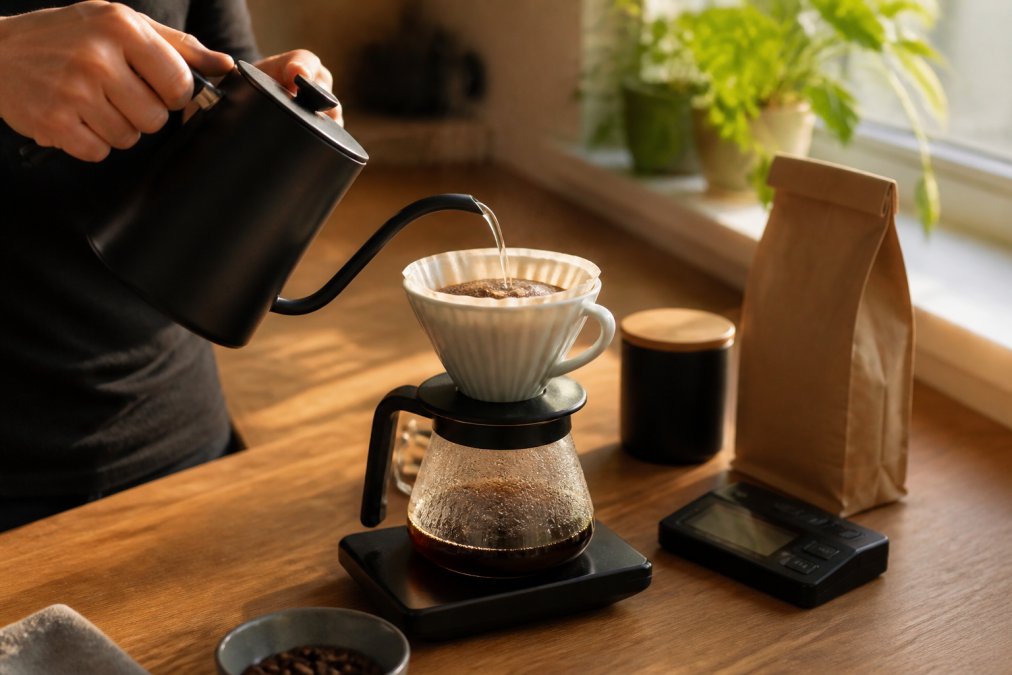
Extraction time varies by brewing method. Pour-over coffee typically brews in 3-4 minutes. French press steeps for 4 minutes. Espresso extracts in 25-30 seconds. Most single origin coffees are best brewed using methods that highlight clarity: pour-over, Aeropress, or Chemex. These methods produce a clean cup with bright acidity and pronounced flavor notes.
Matching Brewing Methods to Bean Characteristics
Different single origin coffees shine with different brewing methods. A light-roasted, high-acidity Ethiopian coffee with floral notes will sing in a pour-over or Chemex, where clean extraction emphasizes brightness. A fuller-bodied Brazilian coffee with chocolate and nutty notes works beautifully in a French press, where immersion brewing creates a rich, syrupy body.
Light roasts showcase origin characteristics and require brewing methods that highlight clarity. Dark roasts have already developed chocolate and caramel notes during roasting, so they work well in immersion methods like French press. Medium roasts are versatile and work with most brewing methods.
Sustainability and Ethical Sourcing Benefits
Single origin coffee creates incentives for sustainable and ethical farming practices. When a coffee is traceable to a specific farm or cooperative, that farm's reputation is directly tied to the quality of the beans. Poor environmental practices or unfair labor conditions become visible and damaging.
Many single origin coffees carry certifications like Fair Trade, Rainforest Alliance, or organic status. Fair Trade certification guarantees that farmers received at least a baseline price for their beans, protecting them from price volatility in commodity markets. Direct trade is another model gaining prominence in specialty coffee, where farmers sell directly to roasters at higher prices, eliminating intermediaries and creating direct relationships.
Supporting Small-Scale Farmers and Fair Trade Practices
Most single origin coffee comes from small-scale farmers who own fewer than 10 hectares of coffee plants. These farmers often struggle with volatile commodity prices. Fair Trade and direct trade models create price stability and protect farmers from market crashes.
When you buy single origin coffee from a roaster committed to ethical sourcing, you're directly supporting these small farmers. The premium you pay for single origin coffee flows back to the people growing the beans, creating incentive for farmers to invest in quality rather than volume.
The Fair Trade USA standards for coffee require minimum prices, community development programs, and environmental standards. Rainforest Alliance certification focuses on environmental sustainability and biodiversity protection.
Health Benefits and Antioxidant Content
Coffee is rich in antioxidants, compounds that neutralize harmful free radicals in the body. Single origin coffee contains the same antioxidants as blended coffee, but the concentration and types vary by origin. High-altitude coffees tend to have higher antioxidant levels. The natural processing method appears to preserve more antioxidants than washed processing.
Lighter roasts typically preserve more antioxidants than darker roasts, though the difference is modest. The health benefits of coffee, improved focus, potential cardiovascular benefits, enhanced metabolism, appear consistent across roast levels. For single origin coffee specifically, the health benefits are the same as any coffee: improved alertness and antioxidant intake.
The caffeine content of single origin coffee varies slightly by origin. Arabica coffees, which dominate specialty coffee, contain roughly 1.2-1.5% caffeine by weight, consistent across origins.
The Economic Value: What You're Actually Paying For
Single origin coffee costs more than commodity blends because you're paying for several things that commodity coffee doesn't offer. First, you're paying for traceability. Roasters who source single origin coffee invest in relationships with specific farms or cooperatives, visiting farms and verifying quality and ethical practices.
Second, you're paying for freshness. Single origin coffee is roasted in smaller batches because each origin requires its own roast profile. Smaller batches mean faster turnover and fresher coffee when it reaches you. Third, you're paying for quality control. Single origin coffee from a specialty roaster has been professionally tasted and evaluated for defects. Fourth, you're paying for the roaster's expertise. Roasting single origin coffee requires skill to adjust the roast profile for each origin's characteristics.
Quality, Freshness, and Supply Chain Transparency
The supply chain for single origin coffee is shorter and more transparent than commodity coffee. Your beans travel from a specific farm to a specialty roaster to you, typically three stops. Commodity coffee travels through many more intermediaries where quality can degrade.
Freshness matters enormously in coffee. Beans begin losing flavor immediately after roasting. After two weeks, flavor starts noticeably declining. After four weeks, the coffee is noticeably stale. Single origin coffee roasted fresh and shipped directly to you arrives within 1-2 weeks of roasting, at peak freshness. Commodity coffee often sits in warehouses for months, resulting in duller flavors.
Sensory Evaluation: Learning to Taste Single Origin Coffee
Tasting coffee intentionally, a practice called "cupping" in the specialty coffee industry, is how professionals evaluate quality. You don't need professional equipment to taste coffee well, just attention and willingness to notice what you're experiencing.
The Cupping Process and How to Evaluate at Home
Professional cupping follows a specific protocol: grind beans to a consistent size, brew them in a standardized way, and taste them at specific intervals as they cool. You can do a simplified version at home. Brew two cups of the same coffee using your normal method. While one is still hot, take a small sip. Notice the aroma, body, acidity, and flavor. Let it cool for 5-10 minutes and taste again. As coffee cools, different flavor compounds become more or less prominent.
Compare this to a coffee from a different origin. Brew both side by side using the same method. Notice the differences. Keep notes on what you taste. After tasting a dozen single origin coffees, you'll start recognizing patterns and develop a mental map of flavor profiles by region.
| Brewing Method | Brew Time | Water Temp | Best For | Difficulty |
|---|---|---|---|---|
| Pour-Over | 3-4 minutes | 200-205°F | Clarity, bright acidity | Beginner |
| Aeropress | 1-2 minutes | 195-205°F | Clean cup, versatile | Beginner |
| Chemex | 4-5 minutes | 200°F | Clarity, floral notes | Intermediate |
| French Press | 4 minutes | 200-205°F | Full body, oils | Beginner |
| Espresso | 25-30 seconds | 200-205°F | Rich, concentrated | Advanced |
Common Mistakes When Brewing Single Origin Beans
The most common mistake is using old beans. Coffee begins losing flavor after two weeks of roasting. After a month, it's noticeably stale. Buy smaller quantities more frequently rather than stockpiling large bags.
The second mistake is using a blade grinder. Blade grinders produce inconsistent particle sizes, leading to uneven extraction. Burr grinders produce uniform particle sizes and dramatically improve the final cup. This is the single most impactful upgrade most home brewers can make.
The third mistake is brewing with water that's too hot. Water above 205°F over-extracts single origin coffee, pulling out bitter compounds that mask subtle flavors. Use water between 195-205°F.
The fourth mistake is not measuring. Using a kitchen scale to measure both coffee and water ensures consistency. The fifth mistake is brewing too long. Extended contact time increases extraction. Pour-over should take 3-4 minutes. French press should steep for 4 minutes. Espresso should extract in 25-30 seconds.
Single origin coffee offers something commodity blends simply cannot: a direct connection to place, farmer, and flavor. When you invest in quality single origin beans and brew them properly, you're experiencing coffee as it was meant to taste, the authentic expression of a specific terroir, processed and roasted with care.
Venro Coffee Co. has spent years sourcing single origin coffees that deliver on this promise. Our Bali Blue ($19.99) brings the volcanic character of Mount Agung to your cup. Our Colombia ($19.99) delivers the balanced sweetness and hazelnut notes that make Colombian coffee legendary. Each bag is roasted fresh and shipped directly to your door, arriving at peak flavor. Start exploring single origin coffee today and taste the difference that traceability, quality, and care make.

Frequently Asked Questions
What exactly defines a coffee as single origin?
Single origin coffee comes from one specific country, region, or farm, unlike blends that combine beans from multiple origins. This means all the beans in your cup share the same terroir, altitude, processing method, and regional characteristics. Single origin coffees are traceable to their source, which is why you'll see labels specifying details like 'Ethiopia Natural' or 'Bali Blue.' This traceability is what allows specialty roasters to highlight the unique flavor profile and story of each origin.
How does single origin coffee taste different from blends?
Single origin beans express distinct flavor profiles shaped by their terroir, processing method, and altitude. You might taste berry and floral notes in an Ethiopian natural process coffee, or milk chocolate and nutty notes in a Brazilian Santos. Blends, by contrast, combine multiple origins to create a consistent, balanced flavor year-round. Single origins offer clarity and complexity, letting you experience what that specific farm, region, or country produces. This flavor distinction is why many coffee enthusiasts prefer single origins for exploration and tasting.
Is single origin coffee really worth the higher price?
Single origin coffee typically costs more because of direct sourcing relationships, smaller production volumes, and traceability costs. When you buy single origin, you're paying for freshness, quality control, and direct support to farmers. Specialty roasters source directly from farms, paying fair trade or direct trade prices that exceed commodity coffee rates. You also receive detailed tasting notes and brewing guidance. For busy professionals and home baristas who value flavor clarity and ethical sourcing, the premium reflects real value: superior taste, freshness, and transparency in the supply chain.
How do I brew single origin coffee to taste the benefits?
Brewing single origin coffee well requires attention to brew ratio, water temperature, and extraction time. Use a 1:16 ratio of coffee to water as a starting point, heat water to 195-205°F, and adjust grind size based on your method. Pour-over and French press both highlight single origin characteristics well. The key is consistency: measure your beans, time your brew, and taste methodically. This lets you experience the specific flavor profile that terroir and processing created. Many single origins reveal different notes at different temperatures, so experiment to discover what that origin truly offers.
This article was written using GrandRanker