



A Simple Guide to Herbal Tea Blends
Share
A great herbal tea blend does not taste crowded. It tastes clear, balanced, and easy to come back to. That is the real value of a guide to herbal tea blends - not just naming ingredients, but understanding how a few well-matched herbs can turn an ordinary cup into part of your daily routine.
Herbal tea is also one of the simplest ways to explore flavor at home without needing special equipment. If you can heat water and measure a spoonful, you can start building blends that feel more personalized than anything off the shelf. The key is knowing what each ingredient brings to the cup and when to keep it simple.
What makes a good guide to herbal tea blends
The best blends usually follow one rule: every ingredient needs a job. Some herbs lead with flavor, some support with body, and some add aroma or a clean finish. When a blend works, you can taste each role without one note taking over.
That matters because herbal ingredients behave very differently from coffee or traditional tea. Chamomile can taste soft and apple-like, peppermint can dominate quickly, hibiscus brings tartness and deep color, and rooibos adds a naturally smooth, rounded base. If you combine too many assertive ingredients, the cup can become muddy fast.
A practical starting point is to think in three parts. Begin with a base herb, add a feature flavor, then finish with a small accent. For example, rooibos can be your base, lemon balm your feature flavor, and a little lavender your accent. You do not need six or seven ingredients to make something feel premium. In many cases, two or three herbs produce the cleanest result.
Start with flavor families
If you are new to blending, flavor families make decisions easier. Instead of picking random herbs, group them by the kind of cup you want.
Minty and cooling blends feel bright and straightforward. Peppermint, spearmint, and lemon balm fit well here. These are great for afternoon or post-meal cups because they taste refreshing without much effort.
Floral blends are softer and more aromatic. Chamomile, lavender, rose, and jasmine-style herbal ingredients can create a calming profile, but restraint matters. Too much floral character can make a tea taste perfumed rather than clean.
Citrus-leaning blends rely on herbs with natural lift, such as lemongrass, lemon verbena, and orange peel. These ingredients brighten heavier herbs and help a blend feel crisp.
Earthy or naturally sweet blends often use rooibos, honeybush, cinnamon, ginger, or licorice root. These ingredients can create a fuller cup with more body, which appeals to people who want an herbal tea that feels substantial.
Tart fruit-forward blends usually include hibiscus, rose hips, berries, or dried apple. These can be excellent iced, though they need balance. Hibiscus especially can become sharp if there is not enough sweetness or softness around it.
How to build a blend that tastes balanced
A good home formula is 60 percent base, 30 percent supporting flavor, and 10 percent accent. This is not a hard rule, but it helps avoid overbuilding. The base carries the cup. The supporting flavor shapes the profile. The accent adds something memorable.
For a softer evening blend, you might use mostly chamomile, a smaller amount of lemon balm, and just a touch of lavender. For a brighter morning cup, rooibos can support orange peel and ginger. For something refreshing, peppermint with spearmint and a little lemongrass often tastes cleaner than using peppermint alone.
This is where trade-offs come in. Chamomile is gentle but can taste too mild on its own. Peppermint is vivid but can overpower everything else. Hibiscus gives beautiful color and tartness, but some drinkers find it too sharp if steeped too long. Ginger adds warmth, though too much can turn a blend from soothing to spicy.
If you are trying to create an everyday blend, balance usually wins over intensity. A tea you can drink four times a week should not feel exhausting after the first sip.
Brewing changes the blend more than people expect
Even a well-designed herbal blend can taste off if it is brewed poorly. Water temperature, steep time, and ingredient size all affect the cup.
Most herbal teas do well with fully heated water and a longer steep than traditional green tea. Five to seven minutes is a common sweet spot. If the blend includes roots, bark, or larger dried fruit pieces, it may need a little more time. If it includes delicate florals, oversteeping can flatten the aroma and bring out bitterness or a dusty finish.
Cut size matters too. Fine-cut herbs release flavor quickly, which can make a blend taste stronger than expected. Larger whole leaves and petals steep more gradually and often taste cleaner. If you are making your own blend, consistency helps. When one ingredient is powdered and another is large and whole, extraction becomes uneven.
This is also why small test batches are worth it. Blend enough for two or three cups first. Brew it hot, then try it slightly cooled. Some blends that seem perfect at first sip become too floral, too tart, or too minty as the temperature drops.
Easy blend ideas that work at home
Some combinations are reliable because they cover different roles clearly.
Chamomile, lemon balm, and lavender make a soft, calm cup with a clean floral finish. The lavender should stay light. It is there to lift the blend, not dominate it.
Peppermint, spearmint, and lemongrass create a bright, cooling tea that feels especially good iced. Spearmint softens peppermint’s sharp edge, while lemongrass adds freshness.
Rooibos, orange peel, and cinnamon offer warmth without feeling heavy. This kind of blend works well for drinkers who want a caffeine-free option with more body.
Hibiscus, rose hips, and dried apple make a tart fruit blend with strong color and a clean finish. If you prefer a gentler cup, reduce the hibiscus first rather than adding more sweet ingredients.
Ginger, lemon verbena, and honeybush create a smooth, warming profile with natural sweetness. This is a good example of a blend that feels flavorful without becoming complicated.
How to choose blends for your routine
The right blend depends on when and how you drink it. A morning herbal tea often benefits from brightness, spice, or citrus because those flavors feel crisp and active. Afternoon cups usually work best when they are clean and refreshing, especially if you are replacing another caffeinated drink. Evening blends tend to favor softer floral notes, smooth sweetness, or lower-intensity mint.
Convenience matters too. If you brew tea while working, a forgiving blend is better than a delicate one. Rooibos-based and mint-based blends often hold up well if they steep a little longer than planned. More floral blends can be less forgiving.
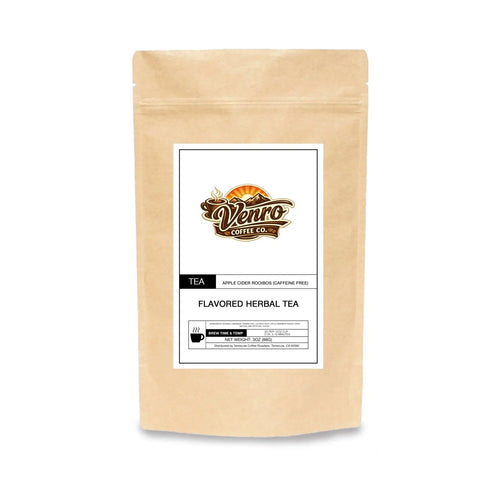
If you are buying herbal tea rather than blending from scratch, look for the same qualities you would want in premium coffee or artisan tea: clean ingredient choices, freshness, and a flavor profile that sounds intentional. A long ingredient list is not always better. In fact, a shorter list often signals a more focused cup.
For shoppers who want elevated daily beverages without making things complicated, that is where a curated tea selection stands out. The best options feel approachable right away, but still offer enough nuance to keep the cup interesting.
Common mistakes to avoid
The most common mistake is using too many bold ingredients at once. Peppermint, hibiscus, ginger, cinnamon, and lavender may all sound appealing individually, but together they compete instead of complementing.
The second mistake is ignoring texture and finish. Flavor is not everything. Some herbs make a tea feel round and smooth, while others leave a drier or sharper impression. A blend that smells great dry may still drink out of balance.
The third mistake is chasing a perfect recipe on the first try. Herbal tea blending works better when you adjust gradually. Change one variable at a time. Lower the mint, increase the rooibos, shorten the steep. Small edits usually produce better cups than total resets.
A better way to think about herbal tea
A strong herbal blend does not need to be trendy or overly complex. It needs to taste fresh, clear, and worth brewing again tomorrow. Whether you are building your own cup or choosing from a trusted collection, the best guide to herbal tea blends is simple: start with balance, let each ingredient do its job, and keep refining until the tea fits your routine as naturally as your favorite morning brew.
The best cup is the one that makes it easy to slow down for five minutes and still feel like you chose something exceptional.